Phone settings for traveling abroad: the setup to do before you go
The phone settings that matter before travelling abroad are data roaming, a plan for mobile data, automatic updates, backups, a secure lock, offline maps and a way to find a lost phone. Set them at home, on wifi, because some of them are hard to change once you are away.
None of this is difficult, but all of it is easier at your kitchen table than at an airport gate. Here is the setup, in order.
1. Decide how you will get data
This is the biggest choice, and the one with the most surprises on a bill. Your options are:
- Your home plan's roaming. Convenient, but check with your provider how it works in the country you are going to, and what it costs. Terms differ and change, so read your own provider's page today.
- An eSIM or a local SIM. Often a simpler way to get data abroad. eSIMs and staying connected explains how they work and what to check, including whether your phone supports one.
- Wifi only. Possible for short trips if you download everything first.
Whichever you choose, set it up before you leave if you can. If you use a new eSIM, install it at home on wifi, and switch it on at your destination.
2. Control roaming and background data
Open your phone's mobile data settings and:
- Turn data roaming off unless you have chosen to use it. This stops your home plan being used by accident.
- Turn off background data for apps that do not need it. Streaming, large updates and photo uploads can use a lot of data without you noticing.
- Set a data warning or limit if your phone offers one.
- Turn off automatic downloads over mobile data for apps, podcasts and video.
You can use wifi for all of these and switch them back on at home.
3. Calls and messages
- Check how your messaging apps work abroad. Apps that use data or wifi usually work wherever you have a connection.
- Think about your number. If you keep your home SIM for calls and use another for data, make sure the people who need to reach you know how. Some services send codes to your home number, so keep it reachable.
- Turn on wifi calling if your provider offers it. It can help in places with a weak signal.
4. Update, then freeze
Update your operating system and apps a few days before you leave, not the night before. A new update installed in a rush can break something. Once you are happy it works, turn off automatic updates over mobile data so they do not use your plan.
5. Back up
If your phone is lost or broken, a recent backup turns a disaster into an annoyance.
- Back up your phone to the cloud or to a computer before you go.
- Back up your photos, and check they are all there.
- Make sure you know your cloud account's password, and that you do not rely only on a code sent to the phone you might lose.
6. Lock it and make it findable
- Use a screen lock with a passcode or biometric. Avoid a pattern or a short code that someone can see you type.
- Turn on the find-my-phone feature for your phone, and make sure you can sign in to it from another device.
- Add an emergency contact to the lock screen or the health card. It helps whoever finds it.
- Check you can remotely lock or erase it.
- Be careful with public wifi. Avoid banking on open networks, and consider a reputable VPN if you must.
For more general advice, see travel safety tips.
7. Download what you need offline
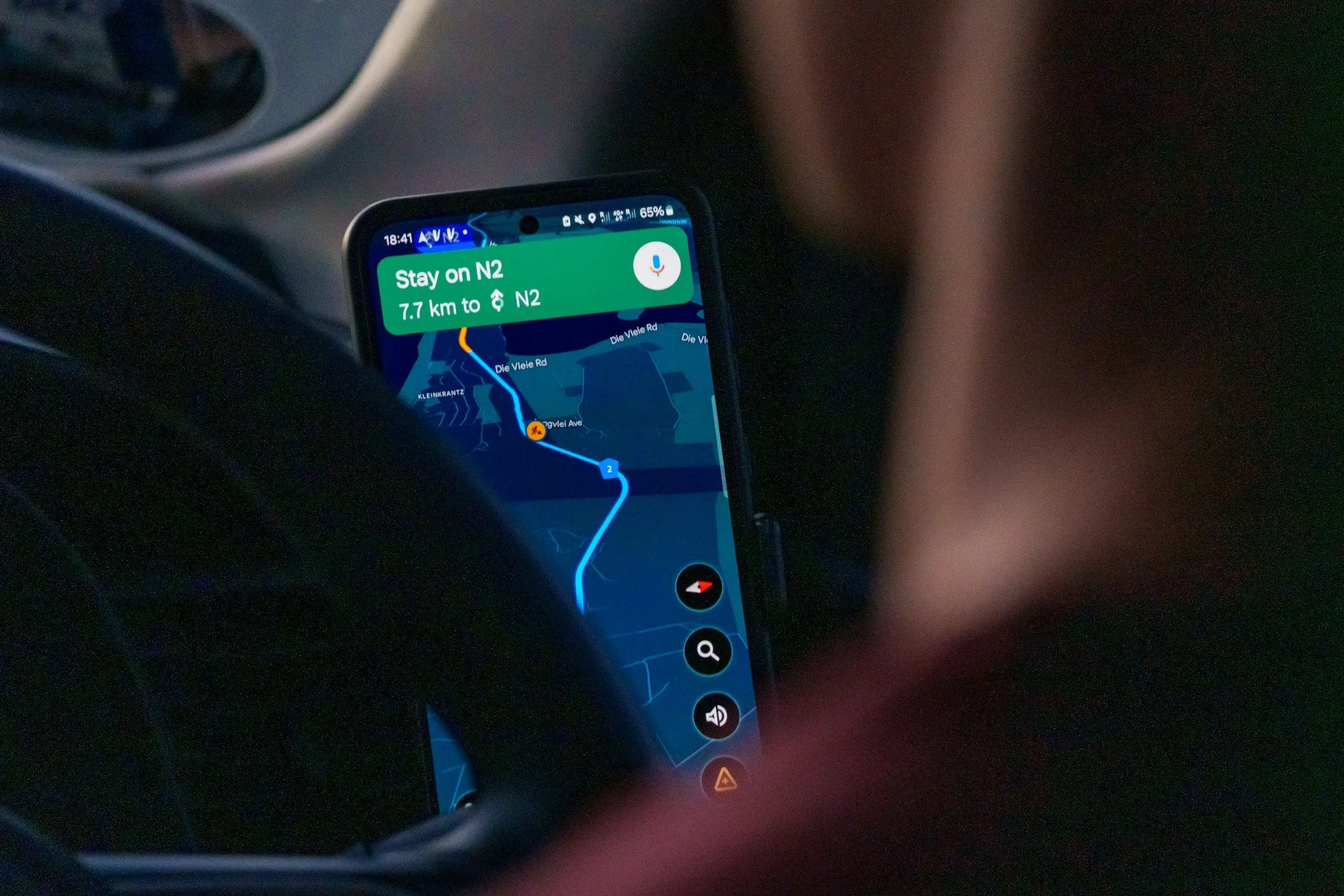
- Offline maps of each place you will visit. How to use Google Maps offline has the steps.
- A translation language pack, if you will be somewhere you do not speak the language.
- Your tickets and confirmations, saved so they open without a signal.
- Your plan.
8. Payments and apps
- Add your cards to your phone's wallet if you want to pay by phone. Check before you go whether the places you will visit accept it; practice varies widely.
- Tell your bank you are travelling if your bank asks you to. Many do not, but it is worth checking in its app.
- Sign in to each app you will need while you are on your own wifi.
See how to pay abroad for the options.
9. Charging and kit
- Bring a charging cable you trust and a battery pack. Check your airline's page for rules about them.
- Check what plug the country uses; our country guides, such as the Japan travel guide, list the plug type for each place.
- Put a small amount of space aside on the phone for photos. Delete what you do not need.
10. A last test
The night before, switch on airplane mode and open: your boarding pass, your first booking, your offline map and your plan. If all four open, you are ready.
If you share a plan with others
On a group trip, agree who will have data and who will not, so the group is never all offline at once. Share your location with a friend only if you choose to, and set up one message thread for the trip so you are not hunting through several. Make sure everyone has the same plan saved offline before you separate for a day.
Next step
Do sections 1, 2 and 5 tonight, as they take longest and cost most if you skip them. The rest takes half an hour tomorrow. And what to download before a flight is the natural follow-up.