Schengen 90/180 rule explained: how to count your days
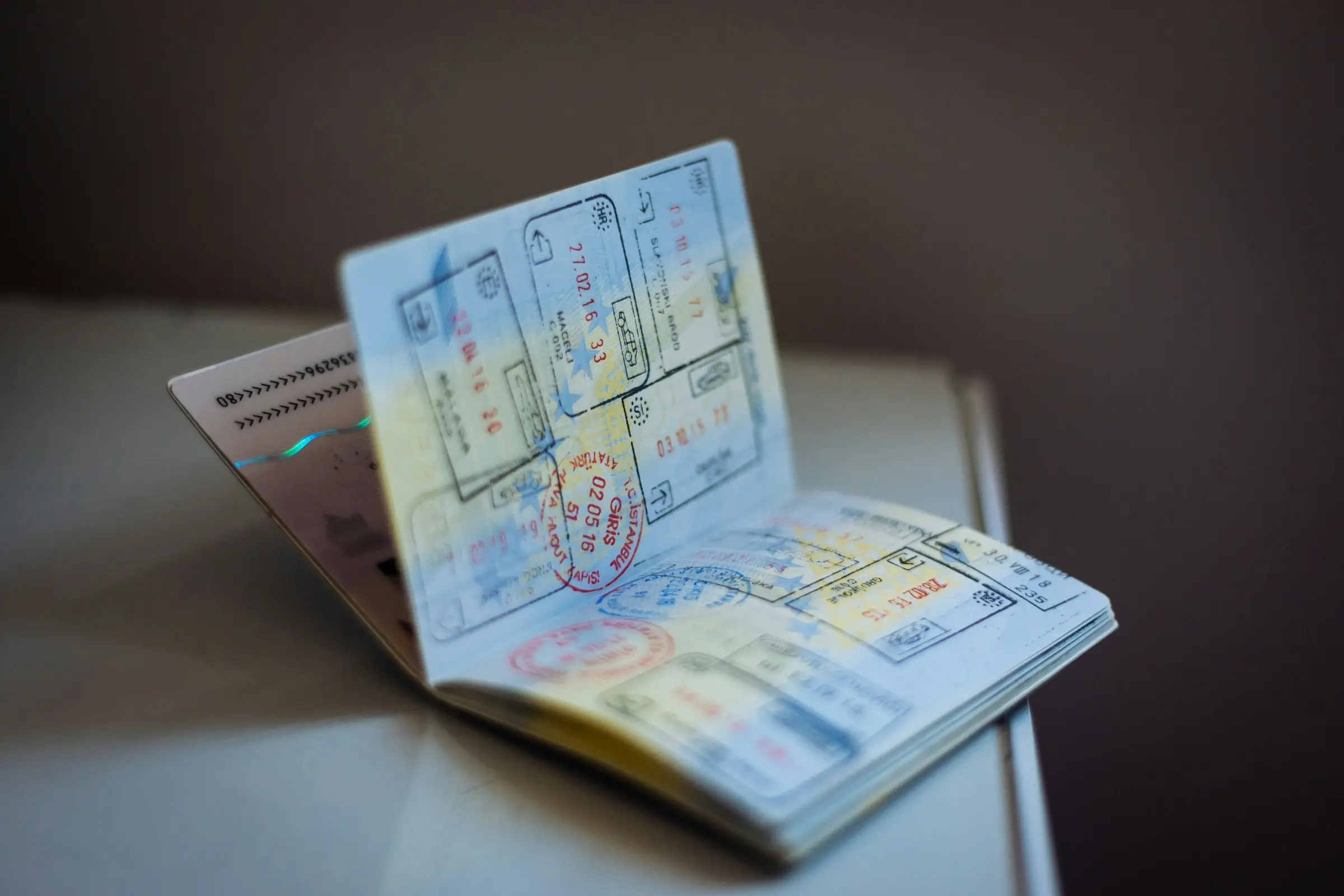
The Schengen 90/180 rule says that, on a short stay, you may spend up to 90 days in the Schengen area in any period of 180 days. The 180 days are a rolling window that moves forward every day, not a fixed block, and all the Schengen countries share one allowance. This guide explains how to count it, with an example, and how to keep a record that is good enough to check yourself against.
What kind of rule this is
It is a short-stay rule. It applies to visitors who may enter without a visa for a short trip, or who hold a short-stay visa, and who are not living in the area. A residence permit or a long-stay visa for a particular country is a different thing with its own conditions, and some nationalities have separate agreements with individual countries.
Because it is a border rule, the final word belongs to the government. Before you book, check the official site of the country you are visiting, the European Union's own pages on short stays, and your own government's travel advice. Which countries are in the area, and which systems record your entries and exits, change over time, so use the current official list and not a blog post, this one included.
One allowance for all the countries
Schengen countries have removed routine checks at the borders between them, so the area works as one zone for this rule. Ten days in one country and twenty in another is thirty days against the same 90.
Two things people trip over:
- Not every European country is in it. Some European Union members are outside the area, and some countries in the area are not in the Union. Look up the current list before you assume.
- Time outside the area does not count. A week in a country that is not in the area, between two Schengen stays, does not use any of your days, though it does not reset the window either.
How the rolling 180 days work
Most people picture "90 days, then a 90-day break". It is not like that. On any day you are in the area, look back 179 days and count the days you spent inside it, including today. If the answer is 90 or fewer, you are fine. If it is more, you have overstayed.
So the question is never "how many days since I arrived" but "how many days have I used in the last 180, counting from this day". Old days drop out of the window one by one, which is how an allowance comes back gradually.
A few counting details:
- The day you enter counts, and the day you leave counts, even if you are there for only part of each.
- Every day in the area counts, including days you spend doing nothing.
- A day in a country outside the area does not count.
A worked example
Imagine you spend 30 days in the area in March, go home for two months, then come back in June for 45 days.
- On the last day of the June trip, look back 180 days.
- Add the days inside the area in that window: 30 from March and 45 from June.
- The total is 75, which is under 90, so you have 15 days left on that day.
Now suppose you want to stay 20 days longer. Check each new day, not the final one. The March days only help you while they are still inside the window, and as the window moves they leave it. If the trip runs long enough, the earliest March days drop out and free up days, but you cannot rely on that without counting.
The trap in this example is a plan that looks fine at the start and fails in the middle. Count for every day of the stay, or count the last day and the busiest stretch.
Keep your own count
Border systems keep records, but you should too. For each trip into the area, write down:
- The date you entered and the date you left
- The country you entered and left through
- Any days you spent outside the area in between, such as a side trip
Then, before you book a new trip, add the days in the last 180 and see what is left.
Where do those dates come from? Your passport stamps if you get them, your boarding passes, your booking confirmations, and your calendar. If you planned your trips in an app, their dates are already written down. In Travel Life each trip has a day-by-day itinerary that shows the days you planned to be away; check it against your boarding passes, since plans change. It does not calculate the rule for you, so use the dates and do the sum yourself or with an official calculator. The European Commission publishes a short-stay calculator on its website that does the rolling count from your dates.
Planning a long trip around the rule
If you want more than 90 days in Europe, the rule shapes the route, not just the paperwork.
- Split the time. Many people spend up to 90 days in the area, then spend time in countries outside it, then return once enough days have dropped out of the window.
- Use the non-Schengen countries. A few weeks in a country outside the area is useful for stretching a long trip, and the days do not count.
- Leave a margin. Do not plan to exit on day 90. A delayed flight or a missed ferry can push you over. A few spare days cost nothing.
- Check the long-stay options. For work, study or longer visits, a national visa or residence route may fit better than stretching the short-stay rule.
Planning a long trip covers the pacing side, and two weeks in Europe is a good model for a shorter loop.
What happens if you overstay
Penalties are set by each country and can include fines, a ban on returning, and trouble with future applications. Do not try to guess them. If you think you may have gone over, or if illness or a cancelled flight made you late, speak to the border authority or the official immigration office of the country you are in, and keep the evidence, such as booking changes and medical letters.
What to do next
Write down every entry and exit into the area in the last 180 days, add them up, and see how many days are left before you book anything. Then confirm the current rule on the official sites. If you are also gathering papers, the travel documents checklist lists what to have with you, and finding your travel history helps when you need to reconstruct past entries.