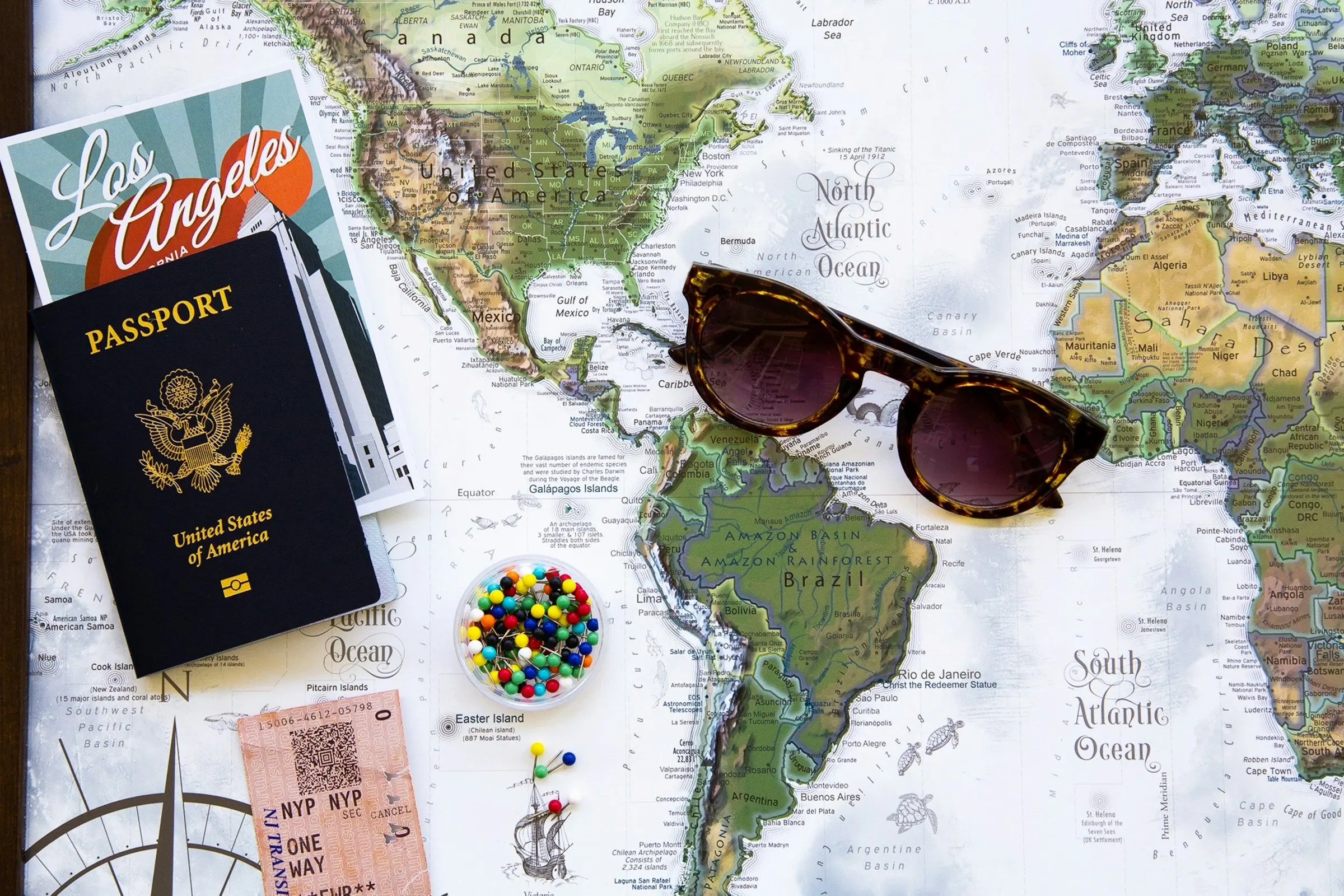
Find my travel history for a visa application: where to look
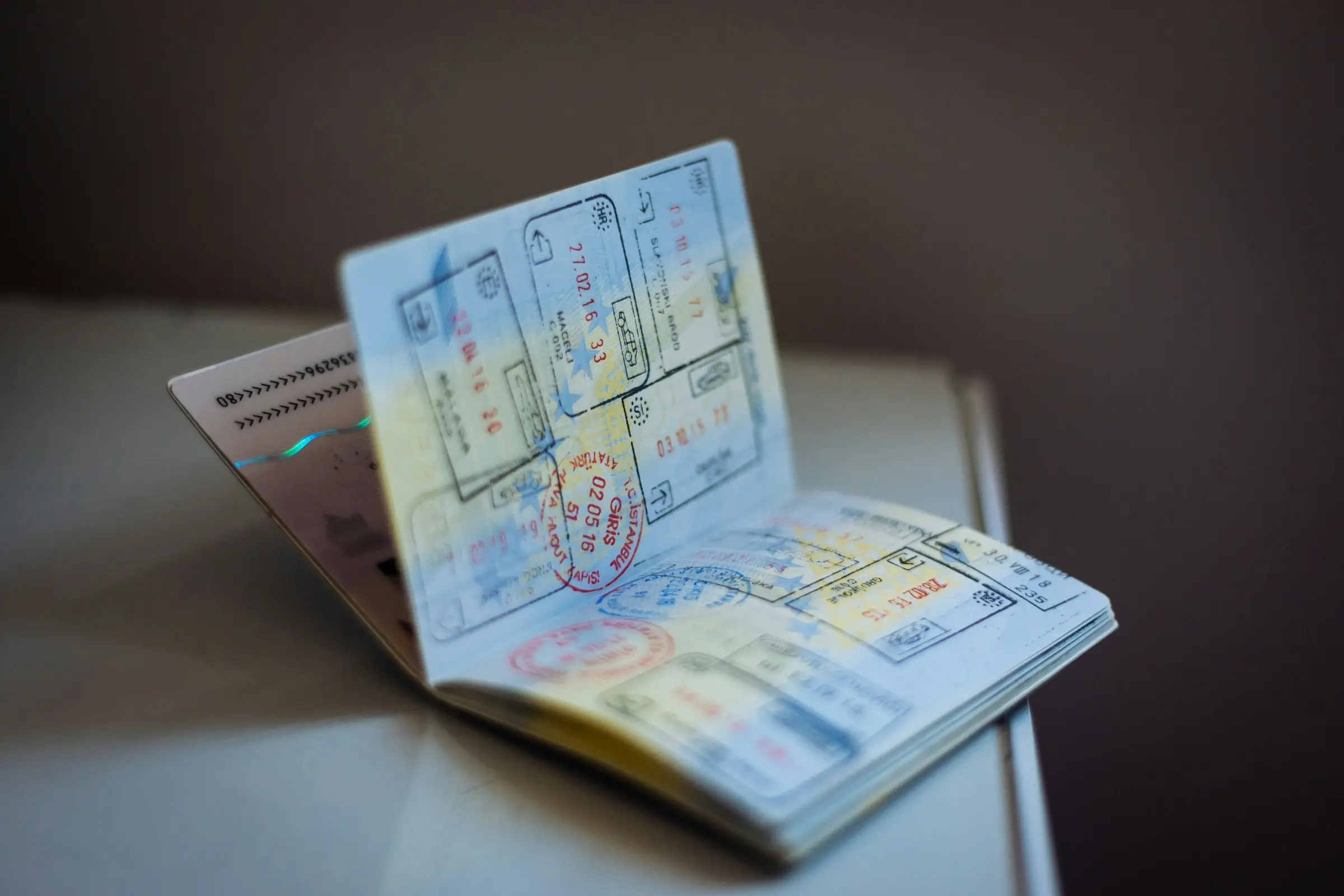
To find your travel history for a visa application, start with the official source of truth, your passport and any government record of your entries and exits, then fill gaps from your own records: airline accounts, booking emails, card statements and photos. Build one dated list of countries, entry and exit dates, and keep the evidence for each line. Always check what the embassy or immigration site for that visa asks for, because the required period and detail differ between countries and change over time.
Many applications ask where you have travelled in the last several years, and an incomplete answer is worse than a slow one. Here is how to rebuild the list without panic.
First: read the form
Before you collect anything, find out exactly what the application asks. Look for:
- The period. Some ask for a number of years, some for every trip.
- The detail. Country only, or dates, or purpose of each trip.
- The evidence. Whether you must attach proof, or only list the trips.
- The wording. "Visited" may mean only trips abroad, or also stops while in transit.
All of this is set by the country you are applying to and can change. Read it on the official government or embassy site, not on a forum, and not in this post.
Where the records are
Work from the most reliable to the least.
- Your passports. Every passport you have held, including expired ones, which people often keep in a drawer. Entry and exit stamps and visas help, though many borders no longer stamp, so a missing stamp proves nothing.
- Government records. Some governments let you request your own entry and exit history from the immigration authority. Whether yours does, how long it takes and what it costs are all official matters: search your own government's immigration site.
- Airline accounts. If you belong to loyalty programmes, the account may list past flights. Log in to each one.
- Booking emails. Search your inbox for "confirmation", "boarding pass", "itinerary", "booking" and the names of airlines and trains. Do it for each email address you have used.
- Card and bank statements. Charges abroad show the country and date. Your bank's website may let you search back several years.
- Photos. Your photo library keeps dates, and often locations. It is slow, but it fills gaps.
- Other people. Colleagues, family and friends you travelled with may remember dates or hold documents.
- Work travel. Expense reports and an employer's travel booking records, if you can ask for them.
Build the master list
Put everything into one table, in date order. Use these columns:
| Dates | Country | Purpose | Evidence | |---|---|---|---| | Month and year to month and year | Where | Holiday, work, family, transit | Passport page, email, statement |
Fill in what you know with confidence first. Mark the uncertain rows and come back to them, because a wrong date submitted as certain is the thing to avoid. If the form allows approximate dates for older trips, say so on the form instead of inventing precision.
Handling gaps and doubts
- Cannot find an exact date. Give the month if the form allows it, and say it is approximate if it does not ask for exact dates. Do not guess a day.
- A trip you half remember. Search for a second source before you include it. A card charge or a photo is enough to confirm it.
- Transit stops. Check whether the form wants them. Our post on what counts as visiting a country is about personal lists, but the form's own definition is the one that matters here.
- Lost passport. If an old passport is gone, rely on other records and see lost passport abroad for how replacement documents work in general.
- Different names or passports. List them all, and keep the link between them.
Answer honestly. If something does not match, it is better to explain a gap than to cover it. For advice on a particular application, go to the official source or a qualified immigration adviser, because this post cannot know the rules of the country you are applying to.
Make the next time easy
The best fix is a habit. Each time you get home, add the trip to a running record with dates, countries and a note of where the evidence is. A travel log does exactly that, and how to track countries visited sets up the list.
Keep your own copies of documents, too: boarding passes, booking confirmations and a photo of each passport page, in a folder labelled by year. The travel documents checklist lists what to keep.
What Travel Life can and cannot do here
Travel Life keeps each trip you plan, with its stays, reservations and transit and their confirmations, and a travel map on your profile of the countries and cities you have been to, with counts of countries, cities and days away. That makes it a helpful personal record and a good prompt for your memory. It is not an official record and not proof of entry or exit, so use your passport and government records for anything an authority will check.
A note on keeping it honest
A travel history is a statement you may be asked to stand behind. Keep these habits while you build it:
- Use your sources. Each row should be backed by something you can find again.
- Do not round up. If you are unsure whether you stayed three weeks or five, say so on the form where it is allowed.
- Keep your working copy. Save the table and the evidence together, so a follow-up question is easy to answer.
- Ask early. If you need a government record, request it as soon as you know you will need it, because processing times are the part you cannot control.
Next: start the list today
Open a blank table and add the last three years while they are still clear. Then work backwards, one source at a time.