How to plan a backpacking trip through Europe: route, stays, costs
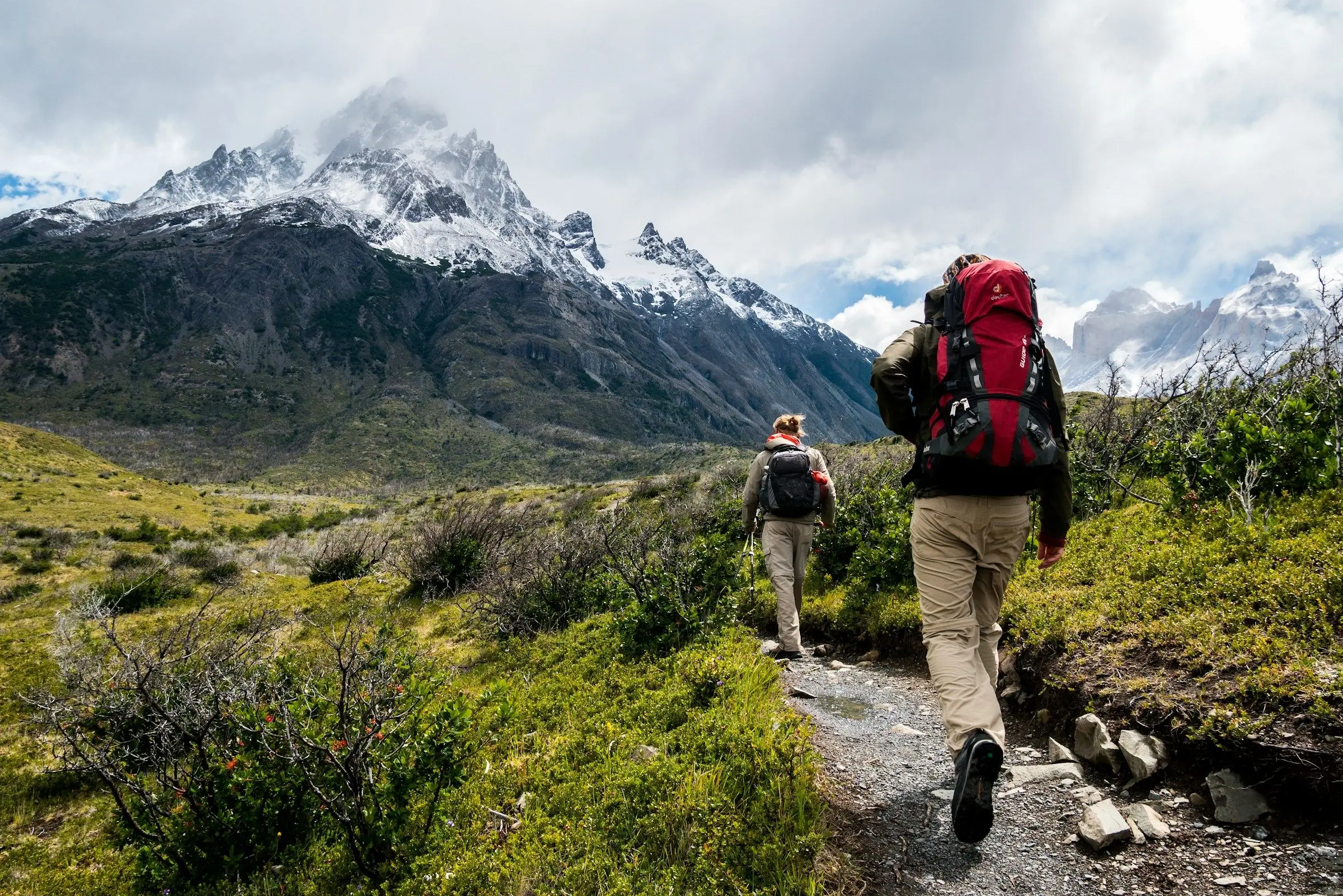
To plan a backpacking trip through Europe, choose a loose route of five to eight places, decide how you will move between them (usually trains and buses), book only the first nights and anything that sells out, and set a daily budget you can check. Pack one bag you can carry for a whole day. The point is to stay flexible, with enough structure that you never end a day with nowhere to sleep.
Choose a route that makes sense on a map
Europe is compact, which tempts people into a route that visits twelve countries in three weeks. Resist it. Every move costs half a day once you add packing, getting to the station, the journey and finding your bed. A route with a stop every three or four days feels like travelling; a stop every day feels like commuting.
Start with the places you most want to see, and put them in a line, a loop or a figure of eight that does not double back. Then trim. How many days in each city helps you decide how long each place deserves.
Consider the season. Summer is busy and rooms get tight in popular places. Spring and autumn are calmer, with shorter days and some seasonal places closed.
Decide how you will move
Most backpackers rely on trains and buses, with the occasional flight or ferry.
- Trains are comfortable and put you in the centre of town. Train travel in Europe covers how the systems work, and night trains can save a night of accommodation.
- Buses are often cheaper and cover places trains do not.
- Ferries link islands and some coasts, and timetables thin out outside summer.
- Flights can save a lot of time on a long leg, but add airport time, and baggage rules differ by airline, so check the airline's own page.
Rail passes exist for some travellers, and whether one is worth it depends on how many long journeys you take. Work it out with your own route, on the official rail sites, rather than guessing.
Book the right things, leave the rest
A good rule for a trip like this:
- Book ahead: your arrival night, your departure transport, anything in a very busy place or season, and trains where a seat reservation is required.
- Keep open: most of the rest. Flexibility is why you chose backpacking.
Always have the next night sorted by the time you leave a place. Arriving in a new town after dark with nowhere to sleep is the story nobody enjoys later.
Stays that suit the trip
Hostels, guesthouses, small apartments and budget hotels all work. Hostels are social and cheap, and many have private rooms as well as dorms. Read recent reviews for noise, security and location, and look at how far the place is from the station.
If you are travelling with friends, a private room or an apartment split between you can cost about the same as dorm beds, with better sleep.
Set a daily budget, and keep to it
Costs vary a lot between regions: a day in one country can cost twice a day in another. Rather than relying on a single average, set a range for each country on your route, using daily travel costs by region as a starting point, and check against current prices when you book.
Then track what you spend. A daily budget only works if you know where you are against it. Log costs in the currency you paid in, split shared ones with whoever is with you, and look at the total every few days.
Money and phones
Carry more than one way to pay: a card, a second card kept separately, and a small amount of cash. Tell your bank, if it asks you to, and check which of your cards charge fees abroad. Avoid fees when spending abroad covers it. Get an eSIM or a local SIM so your maps work, and download offline maps for every city.
Pack one bag
The test is whether you can carry it for an hour. Take clothes you can wash and dry in a sink, a lightweight layer, comfortable shoes, a power adapter, a small first-aid kit and copies of your documents. Backpacking packing list has the full list.
Entry rules and insurance
Entry rules for Europe depend on your nationality and change. Some countries in the region share rules about how long you can stay, and others do not. Check the official government sites of every country on your route and your own government's travel advice before you book. Buy travel insurance that covers the activities and the length of your trip.
A sample shape for three weeks
This is a shape, not a route. Think in blocks of three or four nights:
- Days 1 to 4: a big city to start, with time to get over the journey.
- Days 5 to 8: a smaller town or a region with walking or a coast.
- Days 9 to 12: another big city, reached by a long daytime train.
- Days 13 to 16: a slower stop, on the water or in the hills.
- Days 17 to 21: a last city, with the way home in mind.
Notice the rhythm: busy, quiet, busy, quiet. Many travellers find that rhythm keeps a long trip enjoyable, because tired legs get a rest before they need it. A free day somewhere in every block is a good habit as well, for washing clothes, doing nothing and absorbing what you have seen.
What to do next
Write down the five places you most want to see, and put them in an order that does not backtrack. Count the days between them, including the travel. If it does not fit, remove a stop rather than squeezing the days. Then book your first night and your way home, and leave the middle open.