Packing list for backpacking: what to carry for weeks on the road
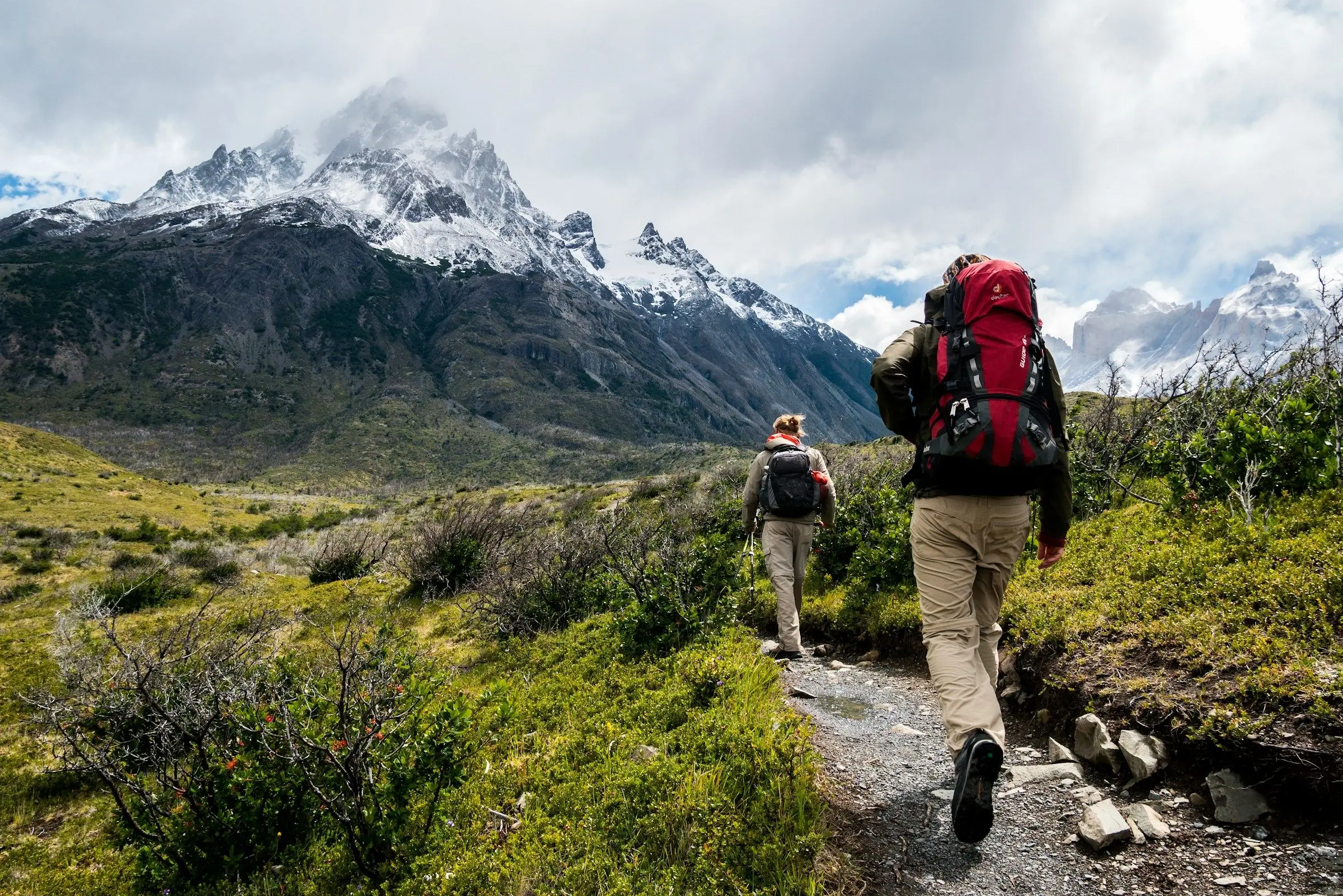
A packing list for backpacking is a list of what you can live without. You carry everything on your back, every day, so each item must earn its place. A good target is a pack that holds five days of clothes, a few pieces of gear and your documents, and that you can lift and carry for an hour without stopping. Then you wash a few things and wear them again.
This list is for travelling for several weeks or months, sleeping in hostels, guesthouses and the odd tent.
The pack
Pick a pack that fits your back, not the other way round. Try it in a shop with weight inside, and adjust the straps until the weight sits on your hips. A pack of around 40 to 50 litres is enough for most people. Larger packs invite you to fill them. Smaller packs make you choose.
A small day pack or a foldable bag goes on your front or you carry it for walks, with your valuables and daily things.
Clothes
You need less than you think, because you can wash as you go.
- Three or four tops, quick-dry
- Two bottoms, such as trousers and shorts
- One warm layer, such as a fleece
- One waterproof jacket
- Underwear for four or five days
- Three pairs of socks
- Sleepwear, which can be a clean tee and shorts
- A swimsuit
- A hat or cap
- One smarter outfit, if you may need it for a nice dinner or a place of worship
Choose merino wool, which dries fast and resists smells, or synthetic fabrics, which dry even faster but hold smells more. Cotton is slow to dry and heavy when wet.
Shoes
Wear your sturdiest pair on the journey and carry a light second pair, such as sandals or flip-flops, for showers and evenings. Do not buy new boots the week before you go. Break them in at home.
Sleep
- A sleeping bag liner, which is light and keeps shared beds clean
- A light sleeping bag, if you will camp or stay in cold places
- A travel pillow, if you like one
- Ear plugs and an eye mask for dorms
- A padlock for hostel lockers, ideally a combination one
Wash and health
- Toothbrush, toothpaste and a small towel that dries fast
- Soap, shampoo and deodorant in small containers or solid bars
- A small bottle of travel wash, for clothes in the sink
- A basic first-aid kit with plasters, antiseptic, pain relief and something for upset stomachs
- Any prescribed medicines in original packaging, with a copy of the prescription
- Sunscreen and insect repellent
- Water purification tablets or a filter bottle, for places where tap water is not safe to drink
Ask a travel health clinic or your doctor which vaccinations and precautions suit your route, because they depend on where you go. Travelling with medication explains how to check the rules for your medicines abroad.
Documents and money
- Passport, with enough validity for your whole route. Entry rules differ by country and change, so check each on the official government site, and note whether onward travel proof is asked.
- A copy of your passport, stored in your phone and apart from the original
- Travel insurance that covers the activities you plan. Travel insurance explained covers the types of cover.
- Two payment cards stored separately, and a small stash of emergency cash
- A money belt or a hidden pouch for passport and spare card
- Details of your embassy
Travel documents checklist is a longer version.
Tech
- Phone and charger
- Power bank
- A universal plug adapter
- Headphones
- An e-reader, in place of books
- A small torch or head torch
- A camera, if you do not use your phone
An eSIM or a local SIM keeps you online, and offline maps work without it. eSIMs and staying connected explains the options.
Small things that matter
- A refillable bottle
- A dry bag or zip bags for electronics and documents
- A small sewing kit and a few safety pins
- A length of cord to hang washing
- Duct tape wrapped around a pen
- A lightweight daypack lock
- A small notebook and a pen
- A carabiner for hanging things on your pack
What to leave at home
- Jeans, which are heavy and slow to dry
- Hair dryers and straighteners
- More than two pairs of shoes
- Valuable jewellery
- A heavy guidebook. Download chapters or keep notes on your phone.
- Anything you "might" use
A useful trick: if you did not use something in the first two weeks, post it home or give it away.
How to pack the pack
- Put the sleeping bag and light items at the bottom
- Heavy items near your back and in the middle of the pack
- Daily items near the top or in outer pockets
- Use packing cubes or bags to group clothes
- Keep your documents and valuables in your day bag
Pack and unpack the same way each time, so you know where everything is in the dark.
Where to go next
Weigh your pack with everything in it. If it is more than about a fifth of your body weight, take something out. Then read travel on a budget for the money side of a long trip, and plan a backpacking trip through Europe for the route.