How to plan a concert trip: tickets, travel and a bed near the show
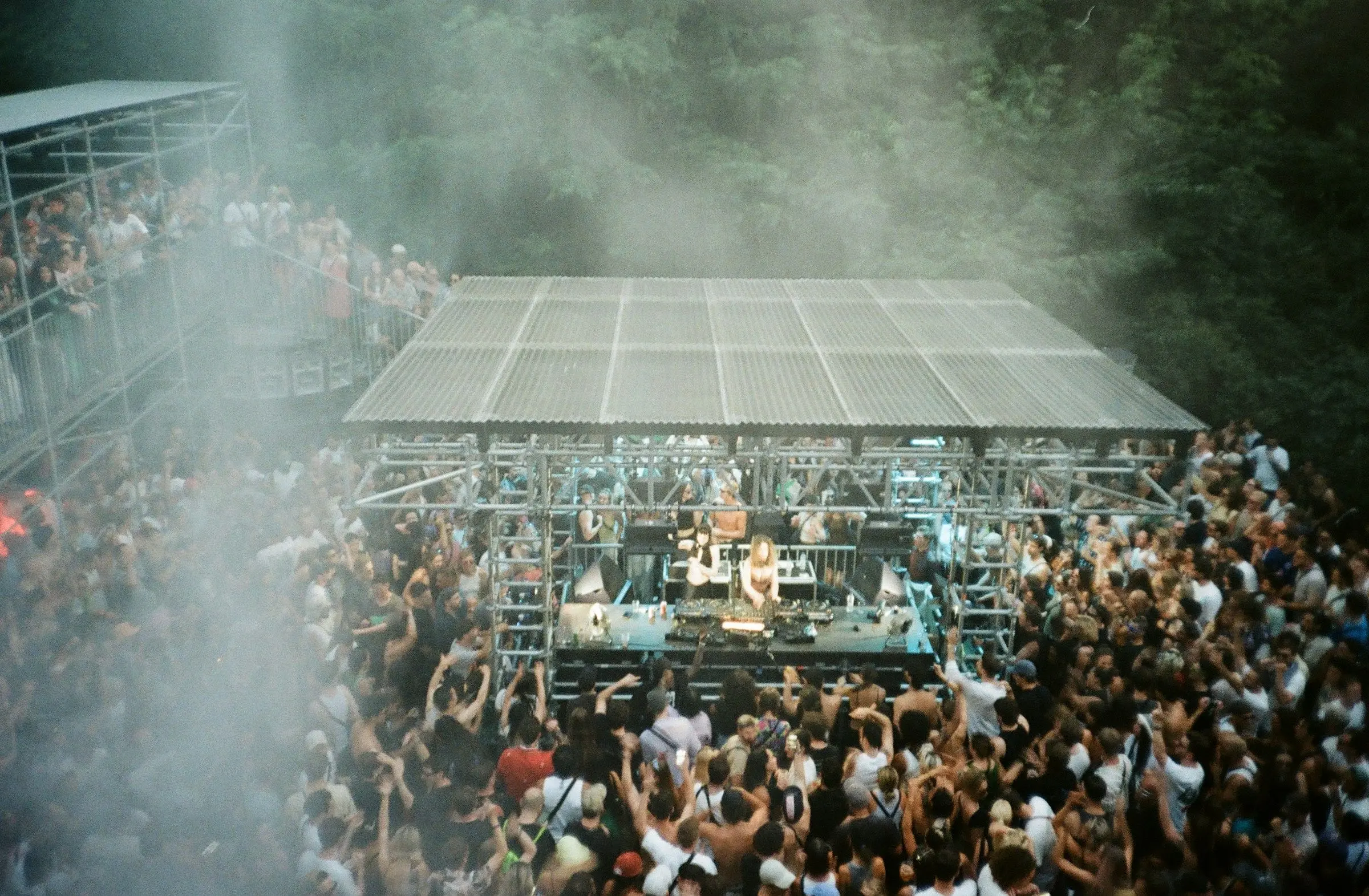
To plan a concert trip, start with the ticket and the date, then book the way there and a place to sleep before anything else, because the whole town is looking for the same things. Plan the night itself last: the doors, the walk to the venue and, above all, how you get home after the last song.
A concert trip is a normal trip with one fixed point. You do not choose the date, the show decides it, and everything else has to fit around a few hours in the evening. That makes it easy to plan, if you do the order right.
Buy the ticket from the right place
Everything depends on the ticket, so be careful where it comes from. Buy from the venue, the artist's official page or the ticket seller they point to. If a show has sold out and you are buying from another fan, use a seller with buyer protection and be wary of any offer that asks you to pay by bank transfer or to send money to a stranger. Tickets that are cheap, last minute and on a sold-out date deserve a second look.
Decide how many people you are buying for before the sale opens. Tickets that go on sale at a set time can sell out in minutes, so agree beforehand who is buying, how many each person needs and how you will pay each other back. One person buying for the whole group is the simplest, as long as the rest pay them quickly.
Check the terms: whether the ticket is named, whether it can be transferred, whether it is a seat or standing, and what happens if the show is moved or cancelled. These are set by the seller and the promoter, so read the page you buy from.
Book the stay as soon as you have the date
Show nights fill the rooms near the venue. Book the stay on the day you buy the tickets, and choose one with free cancellation if the show date could still move. Near the venue is not always best. A place on a direct train or bus line, a short ride from the venue, is often calmer and easier than a room next door to a crowd of thousands.
Think about the morning after as well. A late night means a slow morning, so choose a stay with a late check-out, or plan to leave your bags somewhere and have a long lunch before you head home.
If you are a group, where to stay with a group goes through rooms, apartments and who sleeps where.
Work out how you get there and back
The journey there is easy. The way home is the real plan.
- Find out when the last train, tram or bus runs from the venue area, and compare it with when the show is likely to end. Encores and late starts add time. Check the transport operator's own timetable for the date.
- Expect a rush for taxis and ride-hailing right after the show, and higher waits. Walk ten or fifteen minutes away from the exit before you try to book one.
- If you are driving, find out where parking is, whether it closes, and who is going to drive home and not drink.
- If you are flying in, give yourself a day either side. A flight on the morning after the show is a risk you do not need.
Train travel in Europe is a good way to reach a show in another city, and plan a travel day helps if the journey is long.
Plan the day around the show
A show is a few hours, but the day is long. Work backwards from the doors.
- Note the door time, the support act and the likely start of the main act. These are on the venue's page and can change.
- Pick where you will eat, a few hours before the doors, not minutes before.
- Decide where the group will meet if you get separated, and whether you will stay together or meet after.
- Allow for the queue. For a big show, arriving early for a good place in a standing area can mean a long wait.
If you are in a new city, use the afternoon for the city and the evening for the show. Put them both in one shared plan so that nobody is working out the day from a message thread.
What to bring, and what to leave
Check the venue's rules on bags and what is not allowed. Many venues limit bag sizes, ban certain items and have no cloakroom. Take the minimum:
- Your ticket, saved on your phone and as a screenshot in case the signal drops in a crowd
- A phone with a full battery and a small power bank, if the venue allows it
- Ear protection, which is small, cheap and worth having
- A card, a little cash and your ID
- Comfortable shoes, and a layer for the walk home
Leave valuables you do not need in the room. For a standing show, keep your phone in a front pocket.
Agree the group rules first
Concert groups fall apart in the same ways. Some people want the front, some want the back. Some want to leave early and some want to stay for the encore. Talk about it before the day, and decide that it is fine to split up as long as everyone knows where to meet and how they get home. Travelling with friends without falling out covers this.
Keep the costs in one place
A concert trip has a lot of small costs that different people pay: tickets, the train, the stay, dinner, merchandise. Write each one down when you pay, with who is sharing it. Merchandise is the classic: only the person who buys it should pay for it, and a split by exact amounts handles that.
What to do next
Once the tickets are in your hands, book the stay and the journey home on the same day. Then make one shared plan with the door time, the meeting point and the last transport home, and send it to everyone going. After that there is only the show.