How to plan a cruise: choose it, book it, get ready to sail
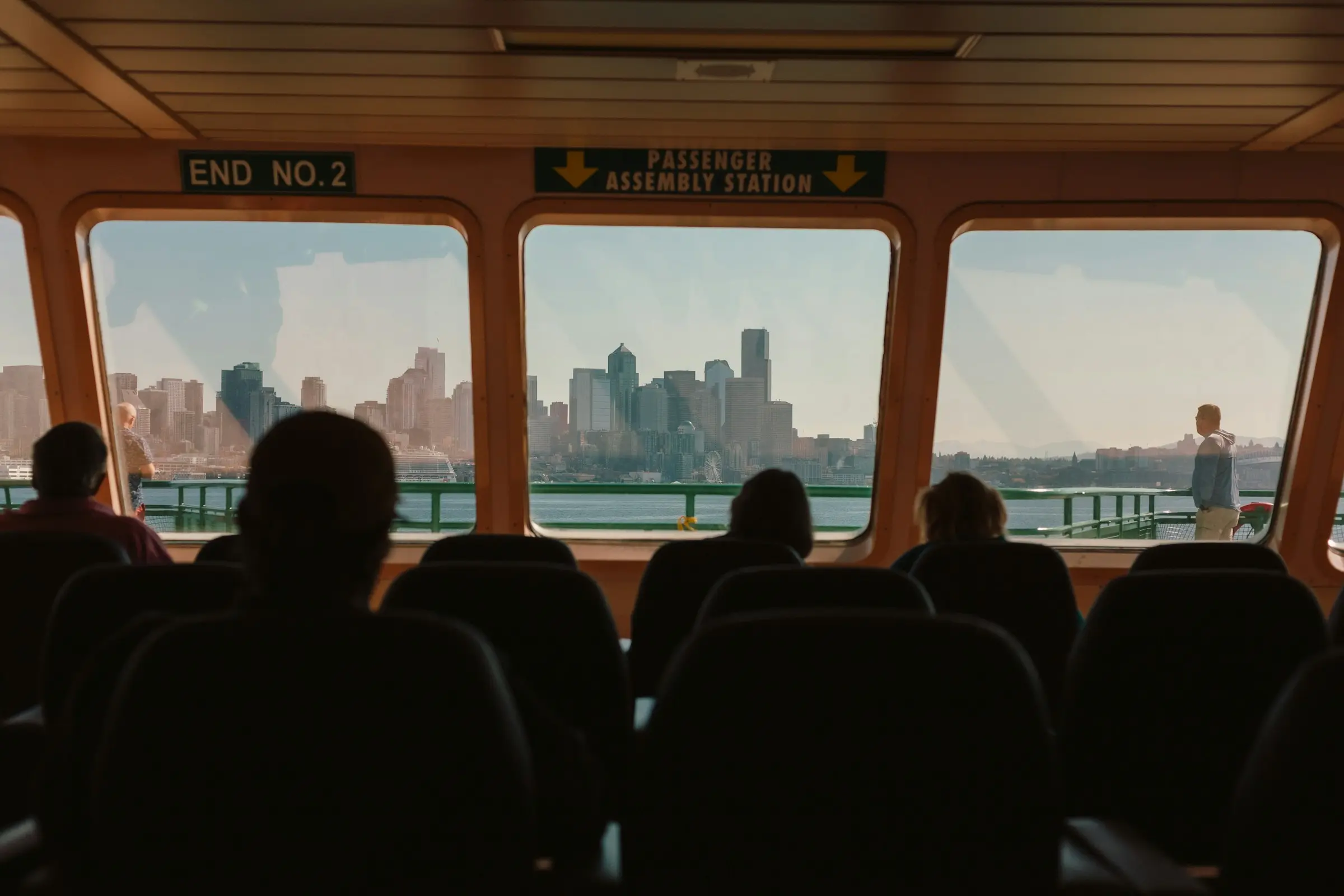
To plan a cruise, choose the kind of trip you want first (length, region, ship size, who is coming), then compare itineraries and what each fare includes, book the cabin and any shore trips you care about, and sort passports, insurance and your arrival before you sail. A cruise bundles a lot, so most of the planning is understanding what you have bought and what you still have to arrange.
Start with the trip, not the ship
Decide four things before you open a booking site:
- How long. A few nights to a few weeks.
- Where. A region and the ports you want to see. Look at what each port offers and how long you get there.
- Who. A couple, a family or a big group each wants something different from a ship.
- The feel. Large ships have lots to do on board; smaller ships go to smaller ports and are quieter. Read the cruise line's own description of the ship and the typical guest.
Compare itineraries properly
An itinerary lists the ports and the hours in each. Look at the details:
- How many days are at sea, and how many in port?
- How long is each stop, and at what time do you arrive and leave?
- Does the ship dock in town or at a port some way out?
- Are some ports reached by small boat (tender) rather than by a dock?
A long list of ports can mean short visits, with a few hours in each. A route with fewer ports leaves time to do more than a quick walk.
Understand what is included
Fares differ in what they include. Read the cruise line's own page for the fare you are looking at, and note whether these are in the price:
- Main meals and specialty dining
- Drinks
- Gratuities or service charges
- Wi-Fi
- Shore excursions
- Transfers from the airport
The difference between a low headline fare and the total is where cruises surprise people, so add up what you will actually use.
Choose a cabin
Inside, ocean-view, balcony and suite cabins vary in price and in what you see. Think about how much time you will spend there. Location also matters: cabins near the middle and lower decks feel the ship's movement less, while ones near engines or entertainment can be noisier. The cruise line's deck plan shows what is above and below.
Plan the ports
For each port, decide in advance how you will spend the time:
- On your own. Walk, use public transport or a taxi. Check how far the port is from the centre.
- A ship excursion. Convenient, and the ship generally waits for its own tours. Check the cruise line's terms on what happens if you are late.
- An independent tour. Often more flexible, but the ship does not wait, so leave a wide margin and know the all-aboard time.
If a port is a long way from what you want to see, it may be better to stay near the ship. Are tours worth it helps you decide where to pay for one. Tours booked through Travel Life file themselves into the trip.
Documents, health and insurance
Check the cruise line's own page for what documents you need to board, and the official government site of every country you will visit for entry rules, since these depend on your nationality and change. Your passport needs enough validity, and some ports need a visa.
Buy travel insurance that covers a cruise, including medical cover, and what happens if you miss the ship. Travel insurance explained goes through what to read. If you have medication or dietary needs, tell the cruise line in advance, and carry medicines in your hand luggage.
Getting there
Arrive in the departure city the day before if you can. Ships leave at fixed times, and a late flight is the usual way people miss them. If you must fly the same day, leave a large margin, and check with the cruise line about what happens if you are delayed.
Pack for ship and shore
You need a mix: clothes for the ship (check the cruise line's guidance on evenings), comfortable shoes for ports, a swimsuit, sun protection, a small day bag for shore trips and a layer for air conditioning. A power strip may be restricted on board, so check the cruise line's list of what you cannot bring. Cruise packing list has the full list.
Keep the plan in one place
A cruise has fewer bookings than a long trip but more timing: boarding, all-aboard times, tender tickets, dinner slots. Keep your flights, the pre- and post-cruise nights, port plans and reservations together.
Choosing the time of year
Cruise regions have seasons, with weather, crowds and sea conditions that differ. Check the climate of the ports for the months you want, and whether the region has a season with storms or heat. Prices and crowds also move with school holidays, so if you have a choice, look at dates just outside the busy weeks. Shoulder season travel covers the trade-offs.
If you are sailing as a group, agree early who is sharing cabins and how costs are split, and write it down, so nobody is working it out at the gangway.
What to do next
Write down how long, where, who and what you want to feel. Compare two or three itineraries by hours in port rather than number of ports, and add up what each fare includes. Then check the documents you need. Plan a trip step by step covers the parts that are the same for any trip.