Keep your phone charged while traveling: habits and kit

To keep your phone charged while travelling, carry a battery pack, charge whenever you sit down for a meal or a journey, and cut what drains it: screen brightness, background apps and a weak signal. Plan to charge at fixed moments, not when the battery is already low.
On a trip your phone is your map, camera, wallet, ticket and translator, so a flat battery is a real problem. Here is how to avoid it.
Why it drains faster when you travel
You use the phone more, and it works harder. A few reasons:
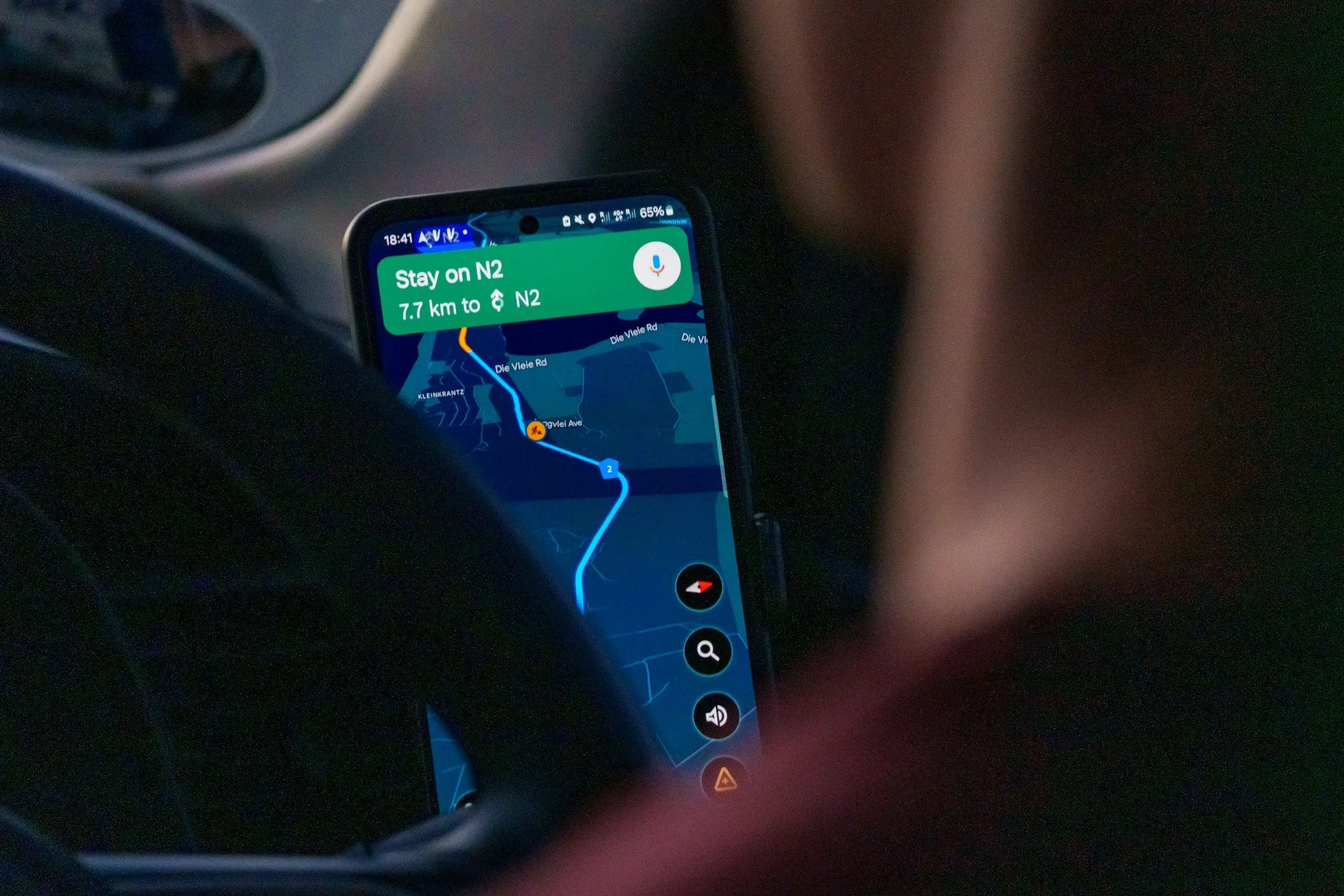
- Maps and navigation keep the screen on and use the location sensor.
- A weak or searching signal makes the phone boost its radio. Abroad, or in a rural area, it can be worse.
- Photos and video use the camera, the screen and storage.
- Heat. A phone in a sunny pocket or on a dashboard loses charge faster, and may slow down.
- Cold. Batteries lose charge quickly in very cold weather.
Knowing this tells you what to change.
What to carry
A short kit covers almost every trip.
- A battery pack. Choose one that can charge your phone more than once, and charge it too, every night. Check your airline's page for its rules about batteries before you fly, as they differ between airlines and countries.
- A short cable. Short cables are easier to use in a seat and tangle less in a bag. Bring a spare.
- A wall adapter with the ports you need. If the country uses different plugs, bring a plug adapter. Our country guides, such as the Japan travel guide, list plug types for each place, and travel tech to pack covers the rest.
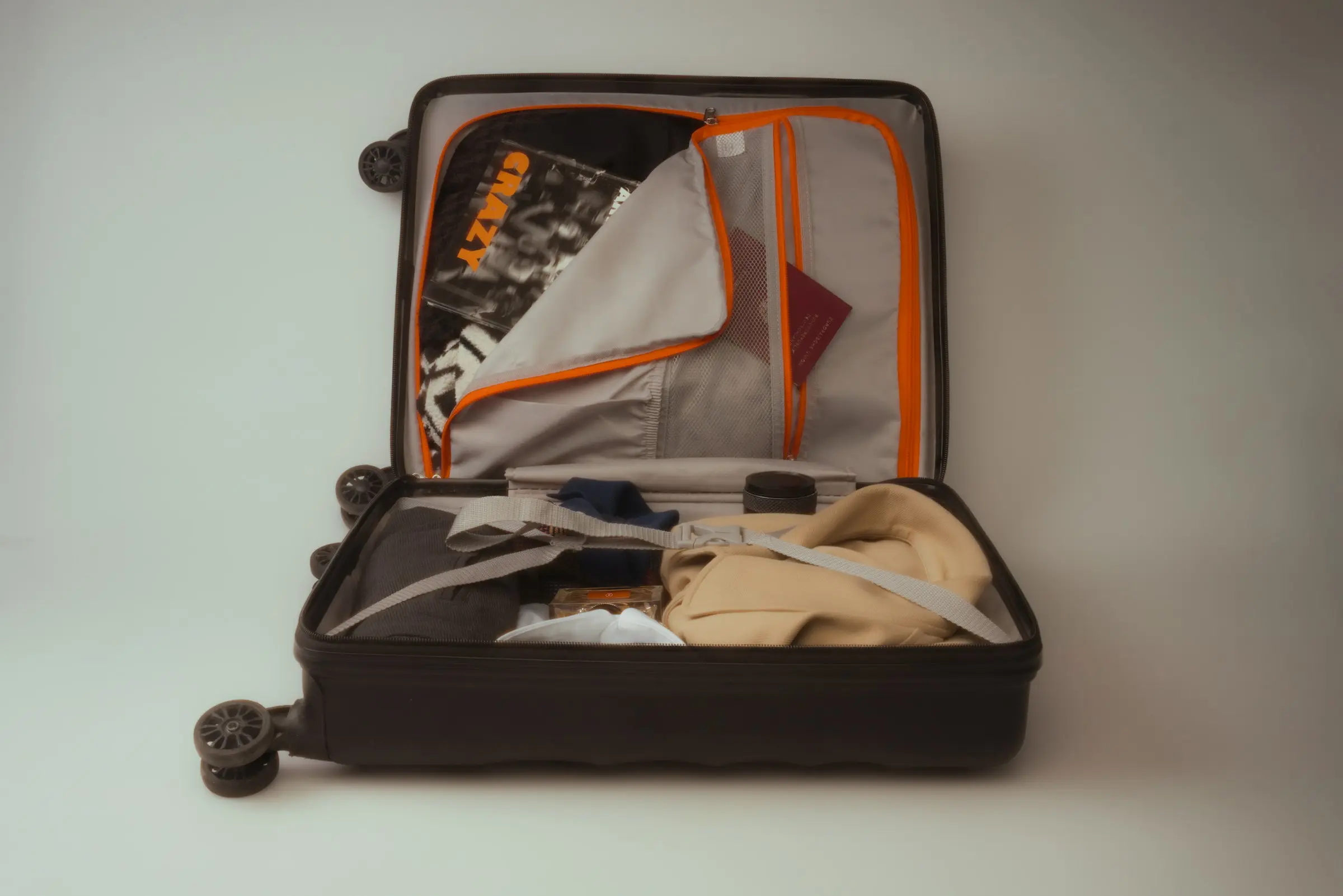
- A small pouch to keep it all together, so you do not leave a cable in a hotel.
If you travel with other people, you do not all need a battery pack. Decide who brings what. A shared packing list helps, and what a group should share suggests a few things.
When to charge
The habit matters more than the kit.
- Every night, with your pack, so you start the day full.
- At every long stop: a meal, a train, a waiting room. Plug in at the table if you can.
- Before you go out for a long day, and when you pass a socket.
- At the airport, before the flight and again on arrival.
- Not at the last minute. Waiting until you are on 10 per cent turns a normal day into a search for a socket.
If you will be out all day, take the battery pack and a cable, and use it at lunch.
Settings that save battery
You do not need to turn everything off. A few changes make a real difference.
- Lower the screen brightness, or turn on automatic brightness. The screen is the biggest drain.
- Turn on low power mode, or the battery saver, when you are below half and will not reach a socket.
- Close background apps that you do not need, and turn off background refresh for most of them.
- Use airplane mode when you have no signal anyway. A phone searching for a network uses much more power. On a long train or flight, switch on airplane mode and connect to wifi if you want.
- Download maps first. An offline map avoids the data and some of the searching. How to use Google Maps offline explains the steps.
- Turn off what you do not use: Bluetooth, location for apps that do not need it, and extras.
- Keep the phone cool. Do not leave it in a hot car or direct sun, and take it out of its case when it charges and gets warm.
- Keep it warm in the cold. In winter, keep it in an inside pocket.
Charging in places that make it hard
- Aircraft. Some seats have a socket or a USB port, but not all. Do not count on it.
- Trains and buses. Many have sockets, but some do not work. Take the battery pack.
- Cafés and restaurants. Ask before you plug in. It is usually fine, and people are used to it.
- Hotel rooms. Sockets can be few and far from the bed. A short extension lead or a multi-port adapter helps. Check the voltage and the plug before you use it.
- Public charging ports. Use your own charger and cable where you can. Public USB ports in airports and stations can be a risk for data, and a plain power socket is safer. Travel safety tips covers general phone safety.
- Remote places. On a hike or a long drive, a battery pack and airplane mode are your power.
Keep the important things working at low battery
If your phone is nearly flat, what matters most? Decide in advance:
- Your boarding pass and tickets. Have a screenshot or a printed copy.
- Your accommodation's address, written on paper.
- Your plan. Keep an offline copy, or a printout of the day.
- A paper note with a phone number for the person you are travelling with, in case yours dies.
A simple daily routine
- Morning: check the phone is at full, and the pack is charged.
- Midday: plug in at lunch for half an hour.
- Evening: charge both phone and pack overnight.
Next step
Charge your battery pack tonight and put it in the bag you take out every day. Then write your accommodation's address on a piece of paper to keep with it.