How to plan a trip to Machu Picchu: tickets, route and altitude
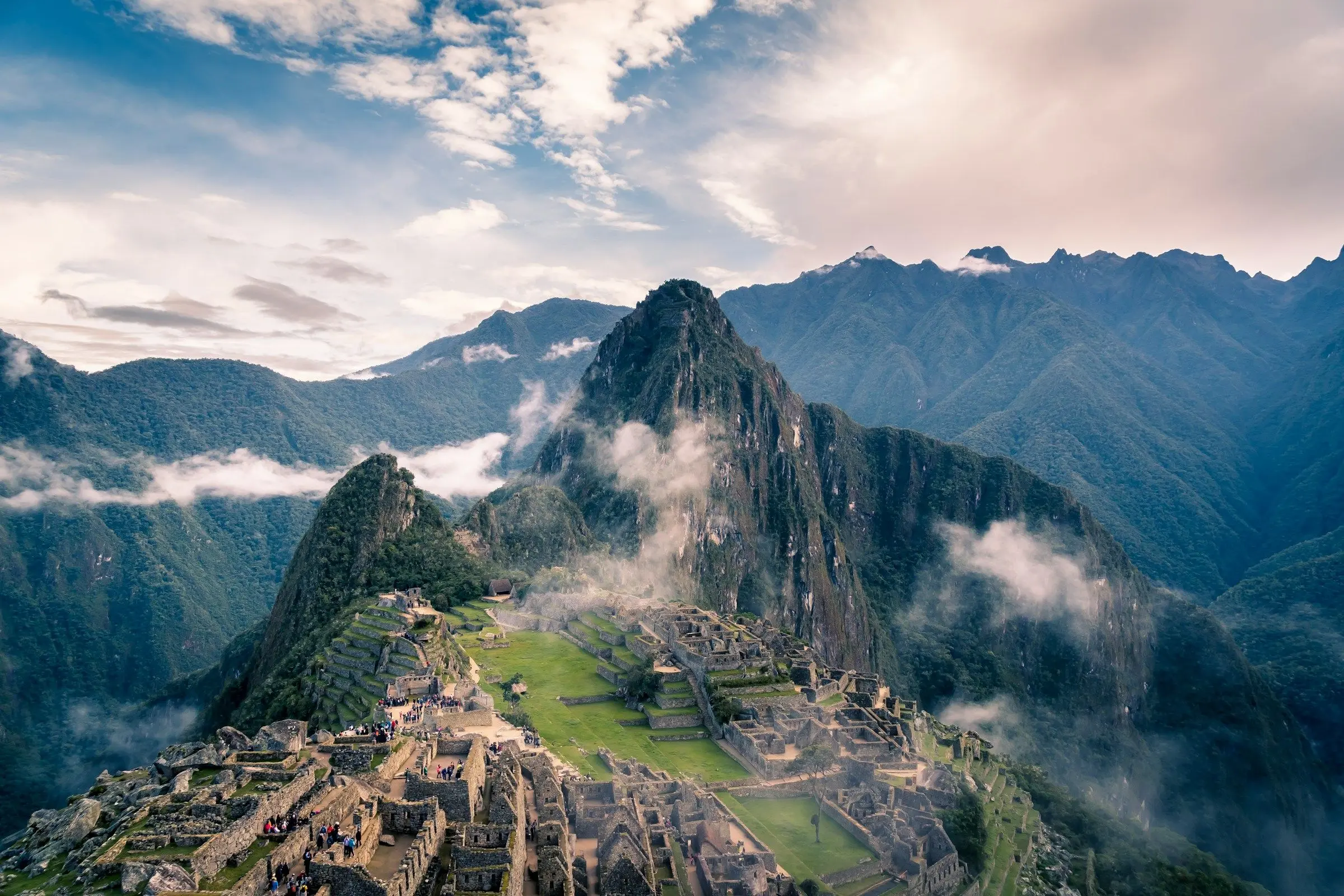
To plan a trip to Machu Picchu, decide how you want to get there, book the entry ticket and the transport well ahead, and plan a few days at altitude beforehand so your body can adjust. Machu Picchu is a managed site with limited, timed entry, so it is the one part of the trip to fix first and everything else can be arranged around it.
Decide how to get there
There are three broad ways.
- By train. Most visitors take a train from near Cusco or the Sacred Valley to the town below the site, then a bus or a walk up. It is the easiest and the most common way.
- On a trek. Multi-day treks end at Machu Picchu, including the classic Inca Trail and several alternative routes. These need a licensed operator, and some need a permit that sells out months ahead.
- By road and on foot. Some routes combine a road with a walk for the final stretch, a cheaper and slower choice.
Think about the time, the fitness of the group and your appetite for hiking. A trek is a wonderful experience, but it is not necessary to see the site. The Peru travel guide shows how a visit fits into a wider route.
Book the entry first
Entry to Machu Picchu is ticketed, with limited numbers and timed slots, and in the busy months it sells out. The rules about circuits, time slots, guides and what you can carry are set by the authorities and change over time. Check the official site for current rules and buy tickets from it or from an authorised seller. Book as soon as you know your dates, then arrange the train and the stays around the ticket, not the other way round.
Make sure the name on each ticket matches the passport you will carry, and take the passport on the day.
Choose when to go
The dry season, roughly the middle of the year, has the clearest weather and is the busiest. The wet season has fewer visitors and more cloud and rain, and the site can be misty, which some people find beautiful. Some trails close for maintenance at certain times. Check dates for your route, and expect plans to flex with the weather. Shoulder season travel covers the trade-offs.
Take the altitude seriously
Cusco sits high, and many people feel it: headaches, tiredness, shortness of breath and poor sleep. Machu Picchu itself is lower, so a good plan goes up before it comes down.
- Spend your first days in the Sacred Valley, which is lower than Cusco, then go to Cusco, then Machu Picchu.
- Take it easy on the first day, drink water, and eat lightly.
- Ask a doctor or travel clinic before you go about altitude and any medication. Travelling with medication has the practical side.
If symptoms are strong, rest, and do not ignore them.
Build the route around it
A simple plan for a first visit might be:
- Days 1 to 3: arrive in Cusco or the Sacred Valley and adjust, with easy sights.
- Day 4: travel to the town below Machu Picchu and spend the night.
- Day 5: visit Machu Picchu early, then return.
- Days 6 and 7: more of the Sacred Valley, Cusco or another part of Peru.
Give yourself a spare night near the end in case of a train disruption or bad weather. Do not schedule an international flight on the same day as your return from the site.
Pick where to stay
Staying in the town below the site makes an early entry easier and the day less rushed. Cusco is the main base for the wider region and has the most choice, while the Sacred Valley is quieter and lower. Check the walking distance, the stairs and what the cancellation terms are.
Handle money, phones and paperwork
Cards work in many places in the region, but small shops, buses and markets often use cash, so carry some. Check the rules for your passport on the official government site, and keep a copy of your documents. The travel documents checklist lists them. Download offline maps and your tickets before you go, since signal can drop. Travelling offline has the steps.
Plan it as a group
A Machu Picchu trip has a lot of time-specific pieces: entry slot, train, hotel, tours. Put them in one shared plan so nobody misses a departure.
What to pack
Layers, a rain jacket, sun protection, broken-in walking shoes, a day bag, a refillable bottle and any altitude medication you have agreed with a doctor. Leave large bags at your stay, since many sites limit what you can carry in. The hiking trip packing list is a good base.
A sample route by train
For a visit by train, fly into Cusco and go straight down to the Sacred Valley for two nights, with easy walks and market visits. Return to Cusco for two nights to see its streets, museums and nearby ruins, then take the train to the town below Machu Picchu for one night, so the visit starts early. After the site, return by train and keep a spare night in Cusco before the flight out.
This order gives the body time to adjust, puts the key visit in the middle of the trip and leaves a buffer at the end.
Plan the day at the site
Check the entry slot and the route you are allowed to follow, and arrive early. Bring water, sun protection and a rain layer, and wear comfortable shoes, since there are steps and uneven paths. Take your time. Most visitors spend several hours at the site, and a guide can add a lot if you want the history. Ask the operator or the official site about guides, since rules about them change.
What to do next
Fix your dates, then buy the entry ticket and the train. Plan two or three days at altitude before the visit, and book your first and last stays.