How to plan a trip to Route 66: a road trip from Chicago to LA
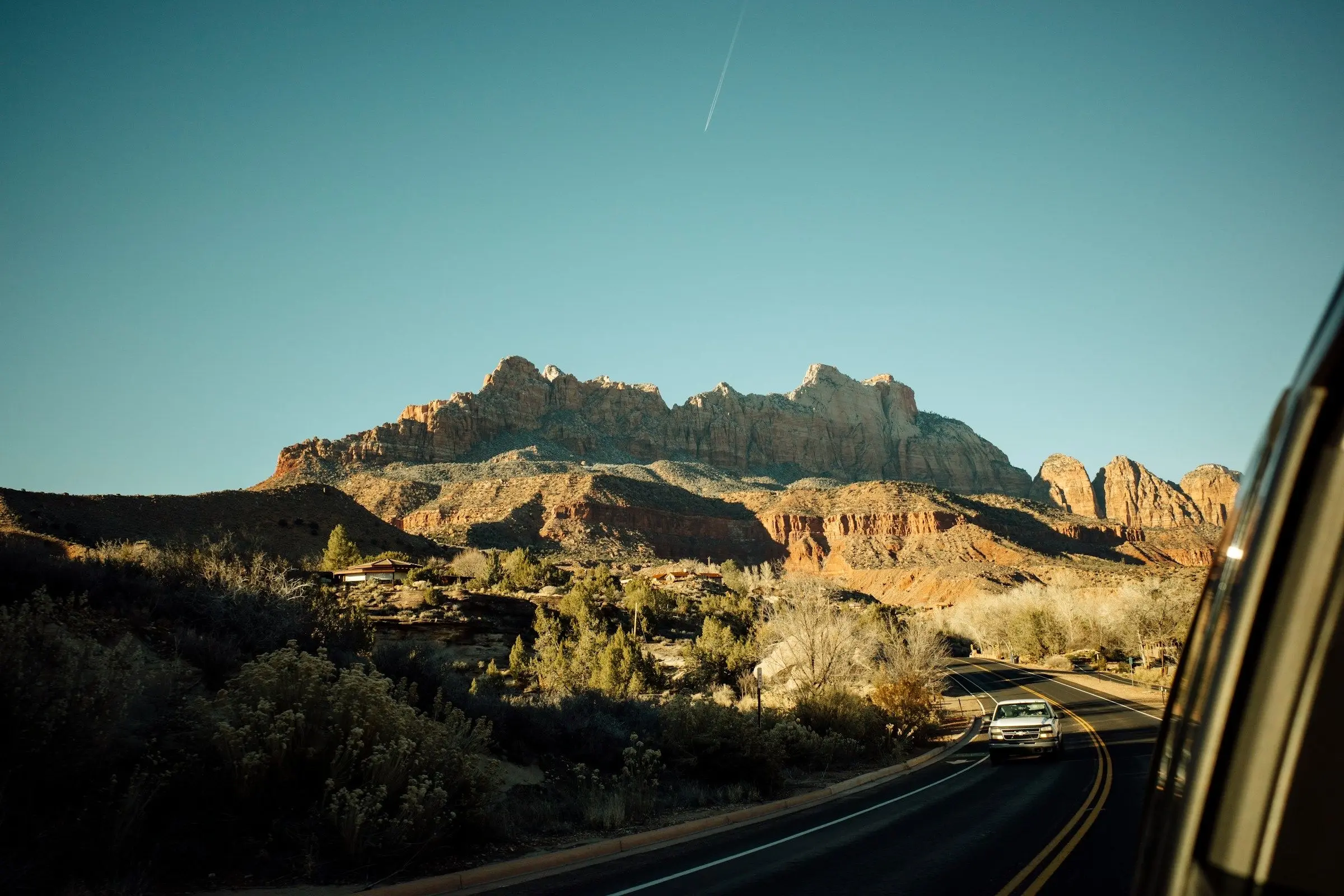
To plan a trip to Route 66, choose your direction, give it at least two weeks if you want to enjoy it, and treat the old road as something you follow in pieces. The route runs roughly 2,400 miles from Chicago to the coast near Los Angeles, across eight states, and it no longer exists as one numbered highway.
What Route 66 is today
The highway was officially removed from the US road system in the 1980s, and much of it was replaced by interstates. What you drive now is a chain of preserved and signed stretches, old alignments, frontage roads and town streets, with historic signs along the way. Some parts are smooth and easy. Some are gravel, closed or hard to find. That is part of the appeal, and part of the reason to plan.
Because the road is patchy, it helps to buy or download a route guide made for it and to look at current road conditions for each state. Local and state tourism offices and the heritage groups that look after the road publish maps and updates, and those are better sources than an old printed map.
Pick a direction and a length
Chicago to Los Angeles is the traditional direction, the one most guides follow, and it ends at the Pacific. Going the other way works fine, and some people prefer to finish in the Midwest. Choose by where you want to start and end, and where you can get a good deal on a flight and a car.
For length, a realistic range is:
- Ten to twelve days. Possible, with long driving days and few stops. You will see the road, but not the towns.
- Two to three weeks. The comfortable range for most people, with time for museums, diners, motels and detours.
- Longer. Worth it if you want to follow the original alignment, which takes many more twists than the interstate.
Plan your driving days to be around four to six hours of moving. Slow towns, photo stops and the pace of the old road take up the rest.
Mix old road with interstate
You do not have to drive every mile of old pavement. A practical way to plan is to mark the sections you most want to drive slowly, then use the interstate to skip the parts that are not worth it. In some places the old road and the interstate run side by side, so you can switch easily. In others they are far apart.
Look at a map and pick a theme for each day: a stretch with old neon signs, a museum town, a desert section, a canyon crossing. A day with one old-road section and one fast section is usually the most enjoyable.
Where to stay
Route 66 has a long tradition of roadside motels, and some are kept as they were. In popular seasons and small towns, the best of these fill up well ahead, so book the ones you particularly want first and leave the others open. Book the first and last nights, and the nights in the desert and in any very small town where there is not much choice. Plan a road trip explains this approach in more detail.
The car
You can use your own car, which is often the simplest way if you live in the US, or rent one. If you are flying in and returning from a different city, ask about one-way rentals, and compare before you book because drop-off arrangements can change the cost. Check the rental company's rules on unpaved roads, and ask about the insurance you will need. Renting a car abroad lists the checks, and they apply for visitors in the US too.
Before you leave, have the car serviced, check the tyres including the spare, and carry water, a charger and a basic kit. Some stretches are remote, with long gaps between fuel stops. Fill up when you pass a good station rather than waiting for the light.
Heat, weather and the calendar
The western half of the route crosses desert, where summer afternoons can be extremely hot. Spring and autumn are milder in most regions, and some mountain sections can have snow in winter. Check the forecast for each region as you reach it, not only for the start of your trip.
Plan your driving for the morning and evening in hot weather, and keep water in the car at all times.
Make a stops list, then cut it
It is easy to collect a hundred stops. Aim for one or two a day that you really want to see, and let the rest be what you happen to find. A good list covers a mix:
- Museums and heritage centres
- Old gas stations and signs
- Natural stops such as canyons or craters
- A lunch town or two
- One viewpoint you will remember
Mark them on a map, and then check the real driving time between each. Cut any day where the stops add up to more than you can do.
Share the planning and the costs
A trip this long is easier with other people, and harder to organise. Someone has to book the car, someone the motels, someone watch the budget.
Log fuel, motels and meals as you pay, and split them as a group. Track travel expenses shows the habit, and a road trip packing list covers what to bring. For a longer route from coast to coast, plan a cross-country road trip covers pacing across many days.
What to do next
Decide your direction and length, mark your five must-see stops, and book the motels that matter most. Then check the heritage and state tourism pages for current conditions on the stretches you plan to drive, and leave one day free for a detour.