How to plan a trip to Scotland: regions, roads and the weather

To plan a trip to Scotland, choose your regions, decide whether you will drive, and plan for changeable weather and long daylight in summer or short days in winter. Scotland looks small on a map, but roads are slow, islands need ferries and the best scenery is often far from the main cities. A route with fewer stops and slower days is the one you will enjoy.
Choose your regions
Scotland divides naturally into areas with different characters.
- Edinburgh and Glasgow are the two main cities, close enough to combine, with history, music, food and museums. The Edinburgh itinerary has a first visit mapped out.
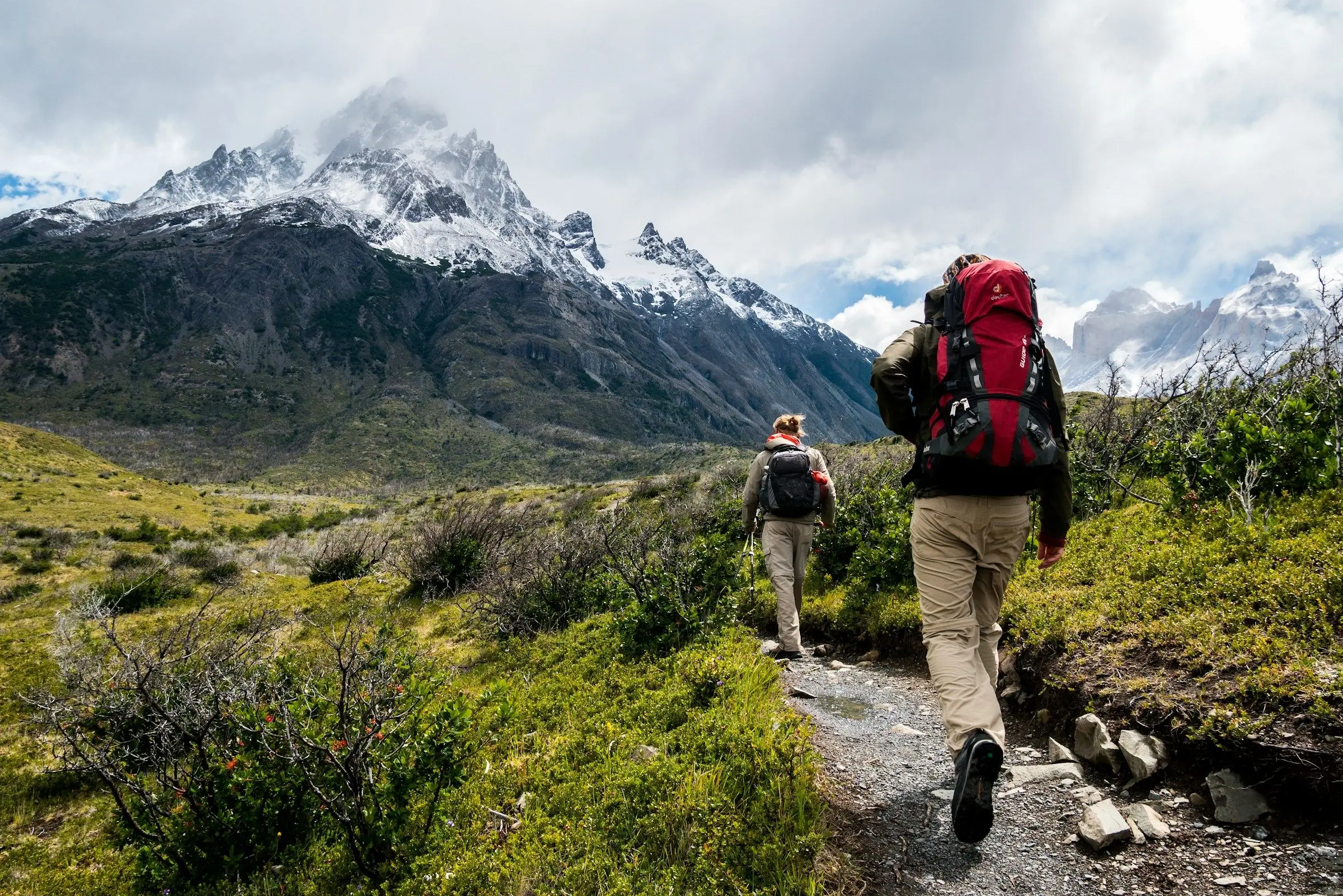
- The Highlands are the dramatic mountains, glens and lochs, with long drives and small villages.
- The islands include Skye and the Outer Hebrides, Orkney and Shetland, each with its own landscape and pace, and most need a ferry or a bridge.
- The east coast and Fife have castles, golf, fishing towns and quieter beaches.
- The south and the borders have rolling hills, abbeys and walking.
For a first trip of a week, a city plus one region is plenty. With ten days or more, add an island. The United Kingdom travel guide puts Scotland in the wider picture.
When to go
Summer has the longest days, with light late into the evening in the north, and it is the busiest and the time when midges can be a nuisance in some places. Spring and early autumn are quieter with changing weather and good colour. Winter is dark and wet and can close some roads, ferries and attractions, but it is cosy in the cities and good for snow sports in the hills.
Weather changes quickly in any season, so plan for rain, wind and some sun in the same day.
Decide how to get around
A car gives the most freedom in the Highlands and islands, where buses are limited. In the cities you do not need one, and parking is a cost and a bother. Trains link the main cities and run some scenic routes, and tours leave from the main cities for the Highlands if you prefer not to drive.
If you drive, expect narrow, winding and single-track roads, with passing places where you pull in to let others by. Allow more time than the map says, and take care with sheep on the road. Cars drive on the left. Driving abroad and renting a car abroad cover the preparation, and plan a road trip shows how to set realistic driving days.
Check ferries early
Island trips depend on ferries, which run less often in winter and can be cancelled in bad weather. Book vehicle spaces ahead for summer, check the operator's site for the timetable, and keep a spare day in the route. Island hopping by ferry covers how to plan it.
Pick where to stay
Stays in small places and on the islands fill up in summer, so book early. Choose a base for two or three nights at a time, not a new bed every night. Cottages and self-catering houses suit groups, while small guesthouses suit couples. Check parking and the distance to the nearest shop or pub, since services can be far apart.
Plan the days
A good Scottish day has one thing worth the drive, such as a glen, a castle, a short walk or a boat trip, plus time to stop where you like. Do the outdoor things in the morning, when the weather tends to be better in some seasons, and keep a museum, a distillery tour or a cafe as the wet-weather plan.
Book popular attractions, island ferries and distillery or castle tours ahead for busy dates, and check the official site for opening and entry rules for your dates.
Walk with care
Scotland is excellent for walking, from gentle paths to serious mountains. Hill weather is a real risk: it can turn quickly, with cloud, wind and cold even in summer. Check the forecast, tell someone your route, carry navigation that works offline and turn back if conditions change. Follow the rules for access and respect land and livestock.
Plan it as a group
A Scotland trip with friends or family often means a rented house, a car or two, and a few shared costs such as fuel and groceries. Agree how to split them at the start, and keep the route and stays in one place.
What to pack
Waterproof jacket and trousers, layers, sturdy shoes, a warm hat, an insect repellent for summer, and a small day bag. Pack for four seasons on the same day.
A sample week
A first week might spend two nights in Edinburgh, then drive or take the train north to the Highlands for three nights, with a loch, a glen and a walk. One night near a castle or a coast on the way back is a good last stop, and then the trip ends in the city you flew into.
If you want an island, swap one Highlands night for two on Skye, and keep a spare half day in case the ferry or the weather has other ideas.
Eat and drink locally
Scottish food is more varied than its reputation, with fresh seafood on the coast, game and good bakeries. Distilleries and breweries offer tours, which are worth booking ahead in summer, and whoever is driving should skip the tasting: Scotland's drink-driving limit is lower than in the rest of the UK, so check the official limit before you go. A traditional pub is the easiest place to eat in a small village, and kitchens may close earlier than you expect.
What to do next
Choose a city and one region. Decide on a car or tours, then book the first stay and any ferry, and keep the rest open for the weather.