How to plan a trip to the Canary Islands: which island, when, how
To plan a trip to the Canary Islands, choose one island first, because they are very different from each other. The archipelago belongs to Spain and sits off the coast of north-west Africa. Its mild climate makes it a trip you can take at almost any time of year, and a week on one island is a good start.
Seven islands, seven moods
There are seven main islands, and picking the right one is the biggest decision you will make. A short guide to their characters:
- Tenerife. The largest. Beaches and resorts in the south, a green and mountainous north and the volcano Teide, the highest peak in Spain, in the middle. A good first choice for variety.
- Gran Canaria. Often called a miniature continent for its range of landscapes: dunes, mountains, old towns and big beaches. A lively capital.
- Lanzarote. Dark volcanic land, black sand and vineyards grown in pits. Architecture and art shaped the island.
- Fuerteventura. Long sandy beaches, constant wind and a favourite of surfers, kitesurfers and families.
- La Palma. Green and dramatic, with walking trails, clear skies and some of the best stargazing.
- La Gomera. Small and quiet, with deep ravines and laurel forest. For hikers.
- El Hierro. The smallest and most remote, known for diving and calm.
For a first trip, one island is plenty. If you want two, choose a pair that are easy to connect, and check the ferry or short flight between them before you commit.
When to go
The islands have a mild climate through the year, which is why they are popular in winter, when much of Europe is cold. Summer is hotter and busier, with the highest demand around school holidays. Winds and clouds differ by coast: the north tends to be greener and cooler, the south drier and sunnier. If you are planning for a particular activity, such as swimming or hiking, ask about the conditions on that side of the island. Shoulder season travel explains how to pick quieter weeks.
Where to stay on the island
Look at the island's map and choose a base by what you want to do.
- Resort areas. The most services, beaches and entertainment, often with all-inclusive options. Good for families and easy holidays.
- Towns and cities. More character and life, with restaurants and local markets.
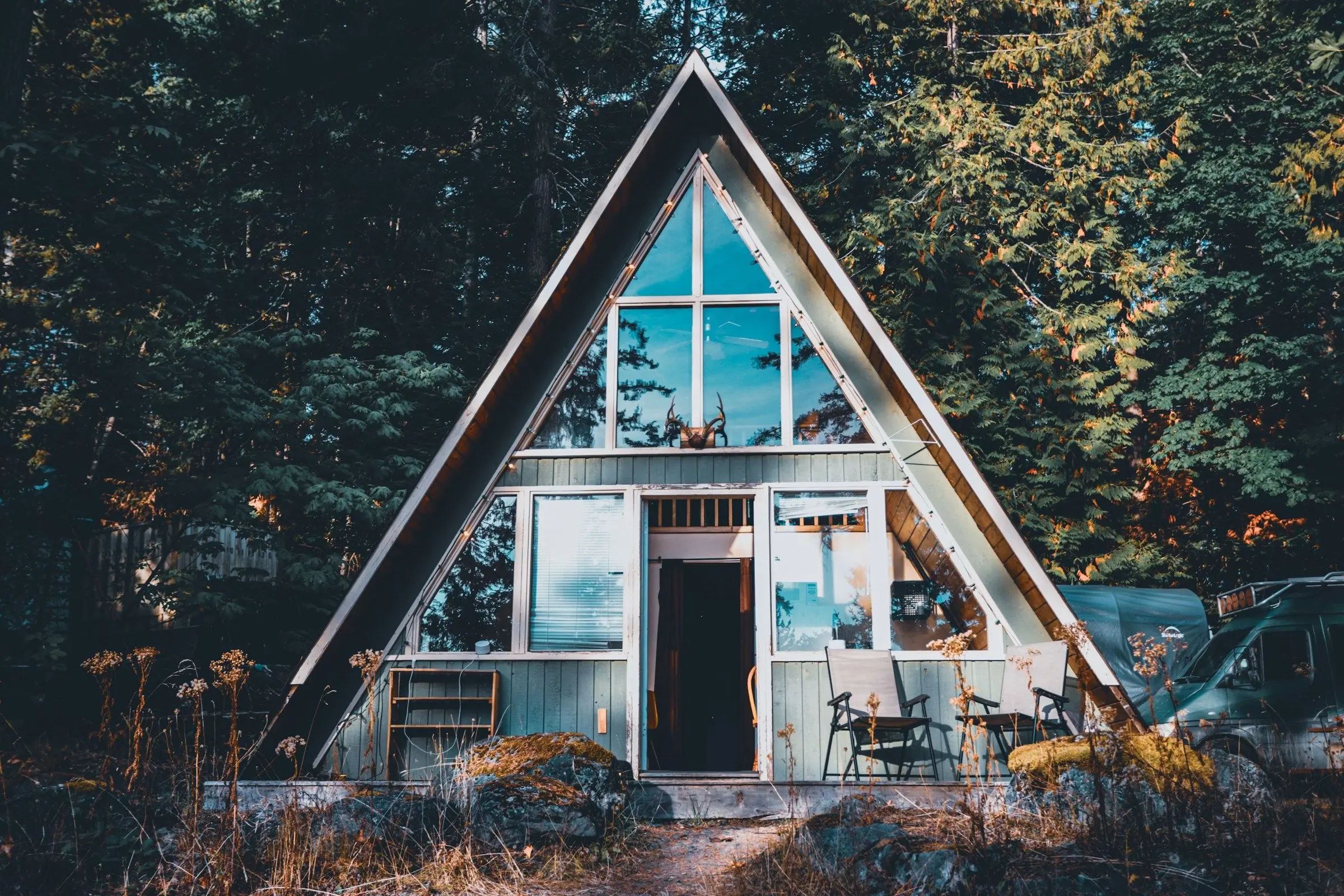
- Villages and rural stays. Quiet, with hiking and views. A car helps.
Book early for school holidays and for the busy winter weeks. If you are sharing an apartment or villa, hotel or apartment helps you decide, and split a villa fairly helps with the money.
Getting there and getting around
Flights reach most of the main islands directly from many cities in Europe, and there are links between the islands by plane and by ferry. The islands are part of Spain, so the Spain travel guide is a good companion for practical basics. Entry works as it does for the rest of Spain, so check the official government site for the rules that apply to your passport. Tax is the difference: the islands sit outside the EU's VAT and excise area, so the allowances for what you carry to and from them are not the same as on the mainland. Check the official rules before you shop.
Once on an island, you have options.
- Rental car. The most flexible, and the best way to reach volcanoes, viewpoints and quiet beaches. Mountain roads are winding, so allow extra time. Renting a car abroad and driving abroad cover the checks.
- Buses. Reliable on the main routes, and good for the capital and the resorts.
- Taxis and tours. Handy for specific days, such as a trip to the volcano.
What to do
The best things to do depend on the island, but a few ideas appear across the archipelago:
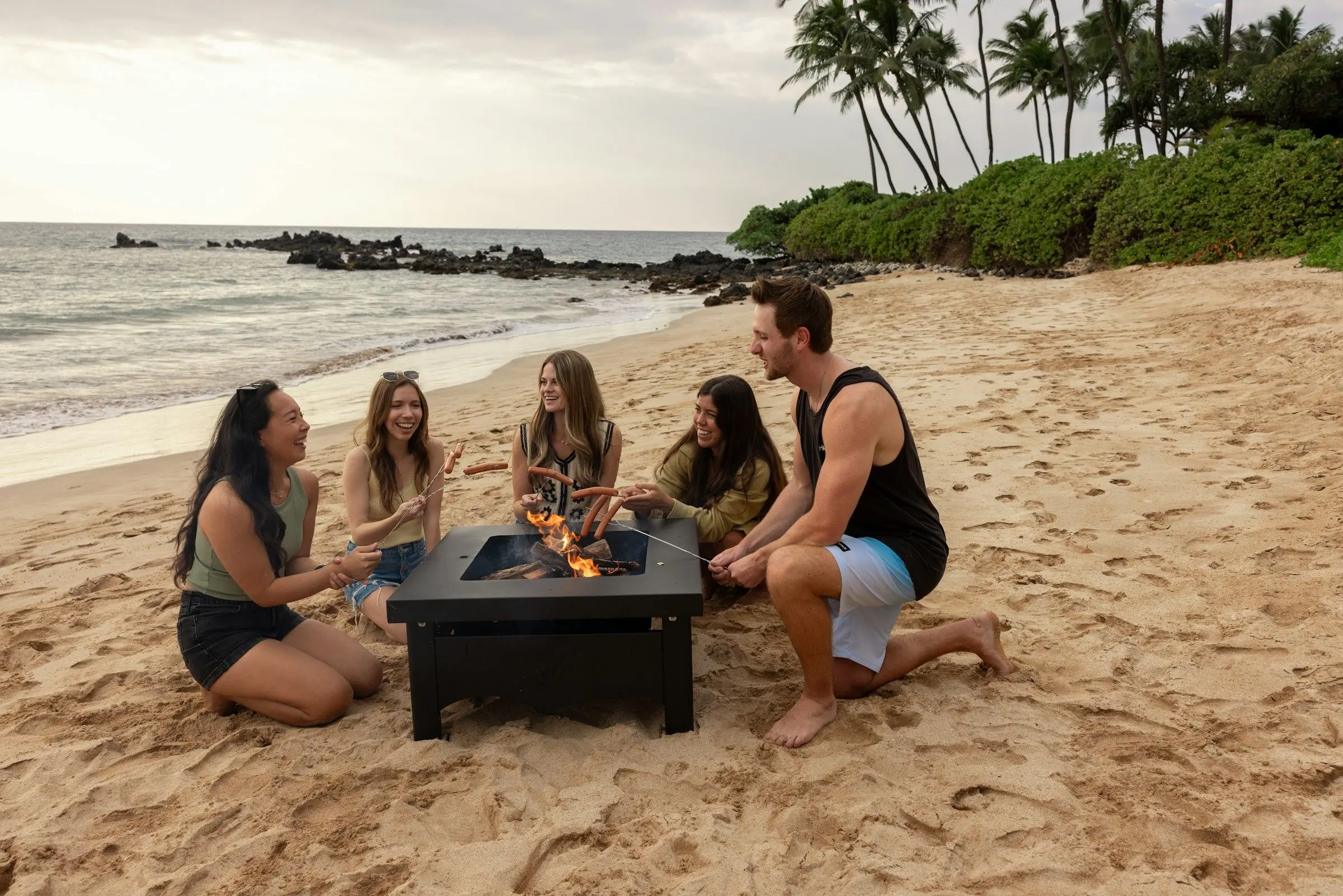
- Beaches, from black volcanic sand to long golden stretches.
- Volcanic landscapes, with walking routes and guided tours. Some areas have access limits to protect them, so check the national park's official page before you go.
- Hiking in the forests and mountains, with trails of all difficulties.
- Stargazing, since several islands have very clear dark skies.
- Boat trips to see dolphins and whales, with operators who follow the local wildlife rules.
- Food: fresh fish, local cheeses, wrinkled potatoes with sauce and local wines.
Limit yourself to one big outing a day, and keep beach time in the plan.
What to pack
Light clothing for the coast, a warm layer for the evenings and for the mountains, sturdy shoes for hiking, sun protection and a swimsuit. Weather on the high ground is much cooler than on the beach, so bring a jacket if you plan to visit a volcano. A beach holiday packing list covers the rest.
Planning it with others
Canary Islands trips are often family holidays or friends' weeks away, which means shared rooms, a shared car and a shared bill.
A few island habits
Check the wind and cloud forecast for the part of the island you plan to visit, not the capital, since the weather changes within a short drive. Keep sun protection on even on cloudy days, because the sun is strong at this latitude. On beaches, look for the flags that show the swimming conditions, and follow them. If you plan to hike, take more water than you expect, start early and tell your host where you are going. Finally, book boat trips with operators that follow the rules for watching wildlife, and avoid any that chase animals. Remember that the airport and the main roads are busiest at weekends and holiday changeovers, so allow extra time on the first and last days.
What to do next
Pick the island that matches the trip you want: variety, beaches, hiking or quiet. Choose your month, book the stay and the car, and keep a day free for the thing the island is known for.