Packing list for Europe: what to bring for a multi-city trip
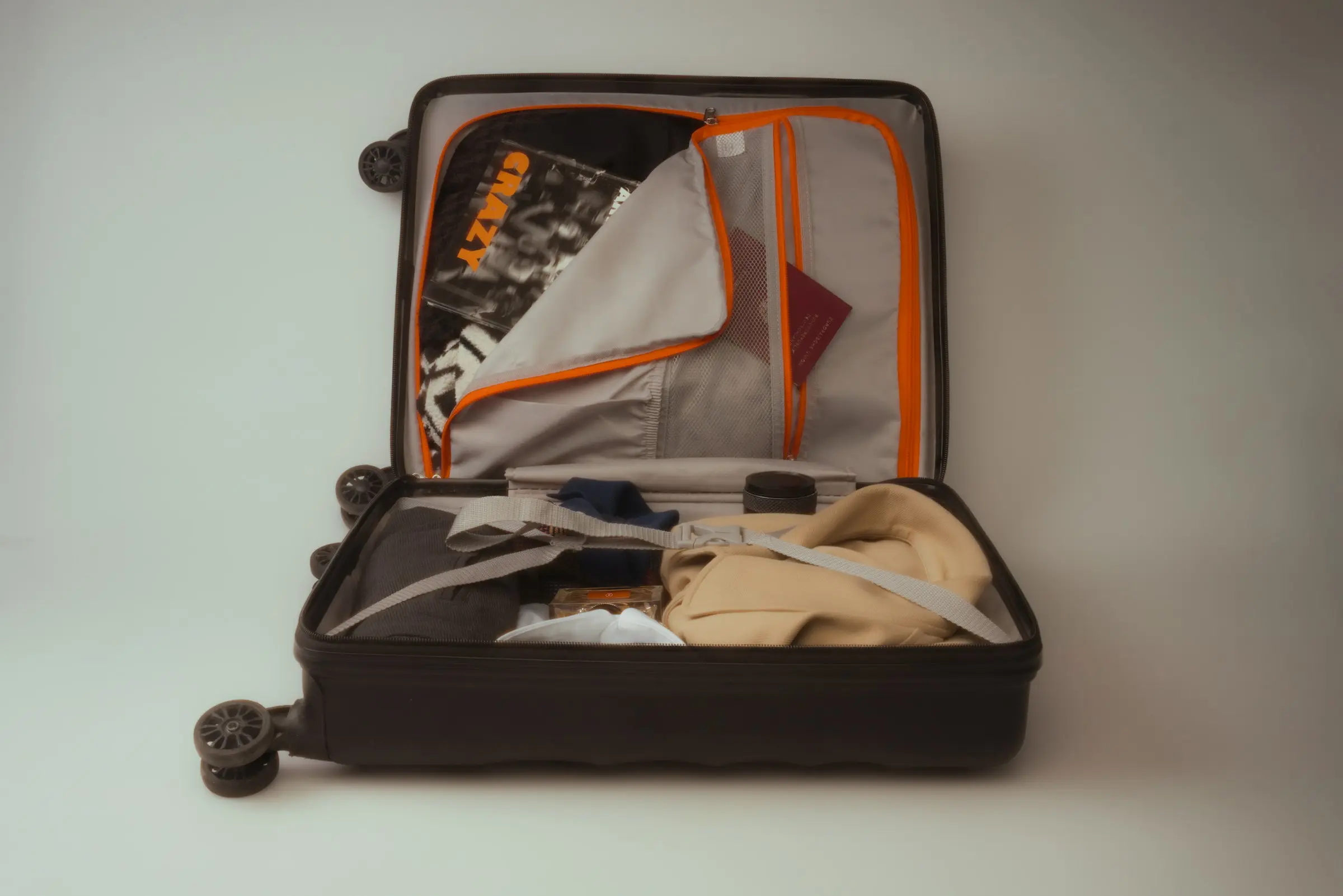
A packing list for Europe is mostly a list of what to leave out. You will carry your bag up station stairs, along cobbled streets and onto small trains, so the best list is short: about a week of mix-and-match clothes, one pair of comfortable shoes, one smarter layer, your documents and a plug adapter. Everything else is a maybe.
This list works for two weeks across several countries, because you wash a few things halfway and wear the rest again. Adjust it for your season and for how much walking your route involves.
Choose the bag before the clothes
Europe rewards a bag you can lift. Lifts are small or missing, old buildings have steep stairs, and trains and buses have limited racks. A carry-on sized bag or a backpack of around 40 litres is enough for most people, and a small day bag goes on top. If you can carry everything for ten minutes without stopping, it is the right size.
If you fly between cities, check the airline's own size and weight rules before you pack, because they differ and change. Carry-on-only packing shows how to fit a long trip in one bag.
Clothes that work in several climates
Europe covers mountains, coast and plains, and one trip can include all three. Pack in layers rather than for one temperature.
- Four to six tops that go with everything, in thin fabrics that dry overnight
- Two pairs of trousers or one trousers and one skirt, in a colour that hides marks
- One pair of shorts, if you travel from late spring to early autumn
- A light jumper or fleece
- A light waterproof jacket with a hood, which does more than an umbrella on windy streets
- One smarter outfit for a nice dinner, a concert or a church where shoulders and knees are expected to be covered
- Underwear and socks for about five days, plus a spare pair
- Sleepwear
- A swimsuit if your route includes the coast, a lake or a hotel pool
Dark, plain colours look tidy for longer and repeat well in photographs. Scarves are the cheapest way to change an outfit and to cover your shoulders when needed.
Shoes
You will walk far more than at home. Pick one pair of broken-in shoes that you can wear all day on stone and uneven pavement, and one lighter pair, such as sandals or loafers, for evenings or hot days. Do not take new shoes you have not worn for a few weeks. Blisters on day two are a common way to lose the trip's mood.
Cobbles are hard on thin soles and on small wheels. If you use a wheeled bag, check that the wheels are sturdy.
Documents and money
- Passport, valid for the whole trip. Entry rules, including how long a passport must be valid and whether you need a visa or travel authorisation, depend on your nationality and change over time. Check them on your own government's travel site and on the official site of the country you are entering.
- A copy of your passport, stored apart from the original and in your phone
- Travel insurance details and the number to call
- Driving licence, if you may rent a car
- Two payment cards, kept in separate places, and a little cash for small purchases and markets
- Booking confirmations for trains, flights and stays, saved so they open without signal
Travel documents checklist lists everything to check before you leave.
Electronics and plugs
Europe uses a few different plug shapes, and a single trip across several countries may need more than one. A universal adapter with a built-in USB port covers it. Check each country's plug type in its guide, for example in the Italy travel guide.
- Phone and charger, and a long cable, because sockets are often behind the bed
- A power bank for travel days
- A universal plug adapter
- Headphones for trains
- A small e-reader or a book
An eSIM or a local data plan saves hunting for Wi-Fi. Set it up at home, so it works the moment you land.
Toiletries and health
Pack small bottles, because you can buy more at any pharmacy or supermarket. Solid shampoo and soap bars save space and do not leak.
- Toothbrush, toothpaste and deodorant
- Sunscreen, even in spring and autumn
- Your own medicines in their original packaging, with a note of what they are in case you are asked
- Plasters, pain relief and something for an upset stomach
- Hand sanitiser and a small pack of tissues, because public toilets do not always have them
If you fly with hand luggage, liquid rules are set by the airport and the country, so check them on the airport's site. Packing toiletries for a flight explains the approach.
Small things that earn their place
- A refillable water bottle, since many cities have drinking fountains
- A cross-body bag or a money belt for crowded stations and markets
- A packable tote for shopping and for laundry
- A small padlock for hostel lockers or luggage
- A pack of laundry detergent sheets or a travel clothes line
- A folding umbrella, if you do not carry a hooded jacket
- Zip bags for wet or messy things
Packing cubes help when you move often, because you can lift out one cube instead of the whole bag.
What to leave at home
- A hair dryer, if your stays list one, and large towels
- More than two pairs of shoes
- Jeans in summer. They are heavy, hot and slow to dry.
- Anything valuable you would be upset to lose
- Heavy guidebooks. Download what you need and keep notes on your phone.
Adjust for the season
In winter, swap shorts for thermal layers, add a warm coat, a hat and gloves, and pack waterproof shoes. In summer, take lighter fabrics, a hat and more sun care, and keep one long-sleeved layer for churches and cool evenings. In spring and autumn, prepare for rain and a ten-degree swing across the same day.
Where to go next
Pack two days before you leave, then do a trial lift of the bag. If it feels heavy now, it will feel worse on day six. Then look at plan two weeks in Europe to match the list to a route, and train travel in Europe to see what your bag needs to survive.