Packing list for camping: the gear and extras you need
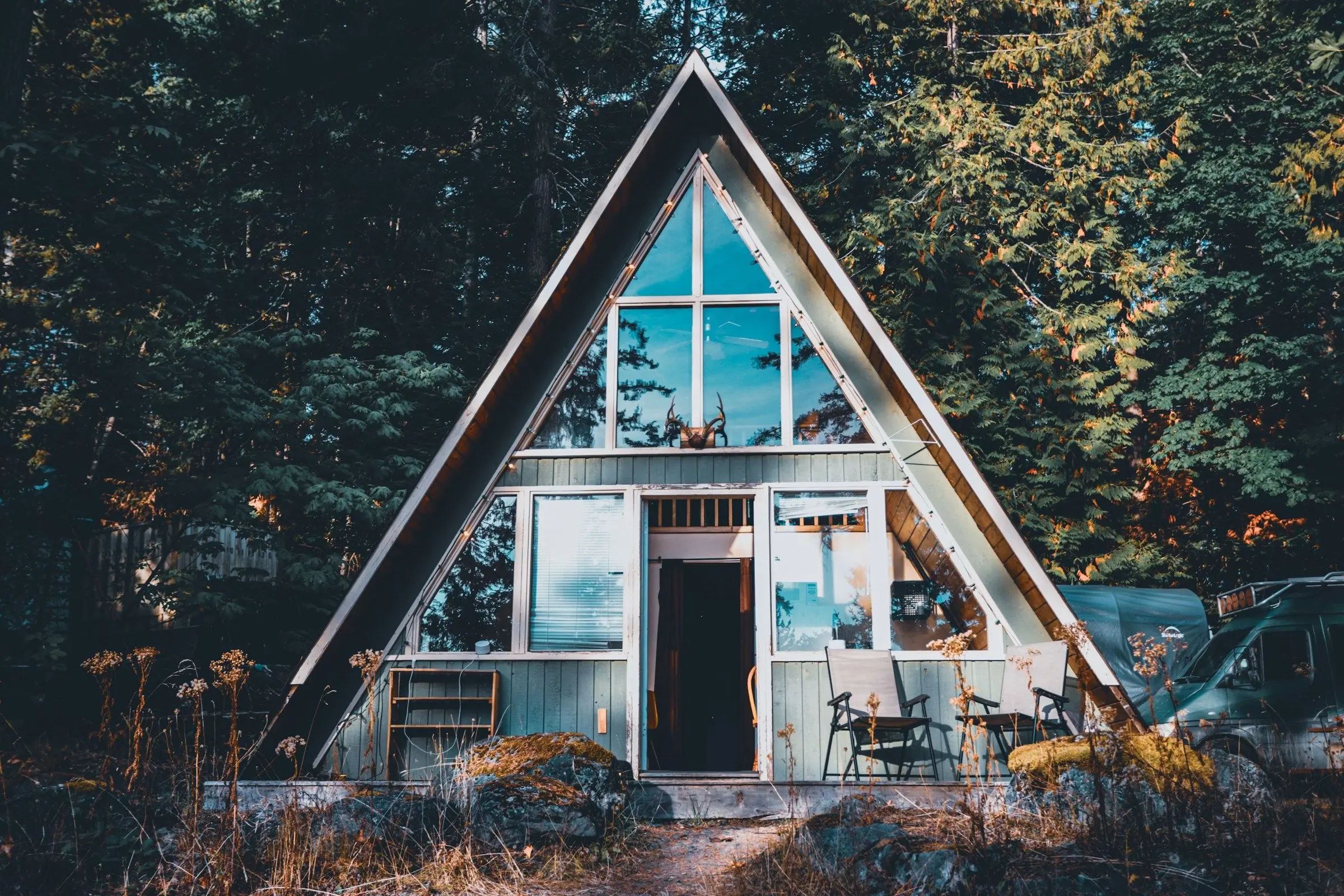
A packing list for camping comes down to five things: shelter, sleep, food, light and warmth. If those are right, the rest is comfort. The mistakes are usually small ones: no matches, no pegs, a wet sleeping bag, forgotten bin bags. A written list, checked off as you load the car, prevents nearly all of them.
This list is for a weekend at a campsite where you can drive to your pitch. If you walk in with everything on your back, the weight matters more, and hiking trip packing list shows how to pare it down.
Shelter
- Tent with its poles, pegs and guy lines. Pitch it at home once before you go, to check that nothing is missing.
- A footprint or groundsheet that is slightly smaller than the tent floor, so rain does not collect under it
- A mallet or a flat rock for pegs
- A tarp for shade, rain and a dry place to cook
- Repair tape and a spare pole sleeve or a few extra pegs
If you borrow a tent, open it and put it up before the trip. A tent that arrives with missing poles on a dark evening is not funny.
Sleep
Sleep decides whether camping is a good memory.
- Sleeping bag rated for the lowest temperature you expect. A bag that is too warm can be opened, but one that is too cold cannot be fixed.
- Sleeping mat or air bed, which insulates from the ground as well as cushions you
- A pump, if your mat needs one
- Pillow or a stuff sack filled with a jumper
- Ear plugs and an eye mask, since campsites are not always quiet or dark
- A blanket for the evening
Ground cold comes up through the mat, so a thin or leaking mat is why people say they slept badly.
Cooking and eating
Plan the meals before you buy, and keep it simple.
- Stove and fuel, and a lighter plus matches in a waterproof bag
- One pot, one pan and a lid
- A kettle or a pot for boiling water
- Plates, bowls, mugs and cutlery. Pack one set per person.
- Sharp knife, chopping board, tin opener and bottle opener
- Cooler or cool bag with ice packs
- Water containers, because the tap may be far from your pitch
- Washing-up bowl, sponge, a small bottle of washing-up liquid and a tea towel
- Bin bags, which you take home or put in the site bins
- Foil, zip bags and a roll of kitchen paper
Check the site's rules on open fires and barbecues before you go. Fire restrictions vary by place and season, and the campsite or land authority will say what is allowed.
Light and tools
- Head torches for each person, plus spare batteries
- A lantern for the table
- A multi-tool or small knife
- A small folding saw or hatchet, only if the site allows collecting wood
- Cord and a few clips for a washing line
- Duct tape
- A power bank, if you want to charge your phone
Clothes
Weather changes quickly outdoors, so layers matter more than outfits.
- A base layer for sleeping and for cold mornings
- A fleece or warm jumper
- A waterproof jacket
- Quick-dry trousers or shorts
- Two or three tops
- Spare socks. Dry socks are a luxury at night.
- A warm hat and gloves, even in summer in some places
- Sturdy shoes, and camp shoes or sandals for the evening
- A swimsuit and a small towel if there is water nearby
- A set of clothes that stay in the car and stay dry
Cotton keeps moisture against the skin, so wool and synthetic fabrics are better in the cold.
Wash, health and safety
- Toothbrush, toothpaste, soap and a small towel
- Toilet paper and a trowel, if the site has no toilets nearby
- Sunscreen and insect repellent
- A first-aid kit with plasters, antiseptic, pain relief, tweezers and any personal medicines
- Hand sanitiser
- A whistle and a charged phone
- A paper map or offline maps. Travel offline explains how to download maps before you leave signal.
Tell someone where you are camping and when you plan to be back, so help can find you if something goes wrong. Wildlife rules differ by region, so read the site's advice on food storage.
Camp comfort
- Folding chairs and a small table
- A mat for the tent entrance
- A deck of cards or a game
- A hammock or a blanket
- Marshmallows, if the site allows fires
- A book or e-reader
What to leave at home
- Too many clothes
- Glass containers, which are heavy and break. Some campsites do not allow them.
- Heavy gear you used once last year
- Valuables you would be upset to lose
- Loud speakers. Quiet hours matter.
Group camping: who brings what
A group does not need five stoves. Decide who brings the shared gear and who brings their own, and keep personal items to one list per person. What a group should share helps decide.
Where to go next
Load the car in reverse order of use: tent and sleeping gear last in, and first out. For a trip with friends, see plan a camping trip with friends, which covers choosing the site and dividing the work.