Travel with just your phone: what it can do and what it cannot
You can travel with just your phone for tickets, maps, payments, translation, photos and your plan, but not for everything. You still need a passport, some form of payment that does not depend on the phone, and a backup for when the battery, the signal or the phone itself fails.
Travelling light with a phone is possible and pleasant. The trick is to decide, before you leave, what it can replace and what it cannot.
What your phone can replace
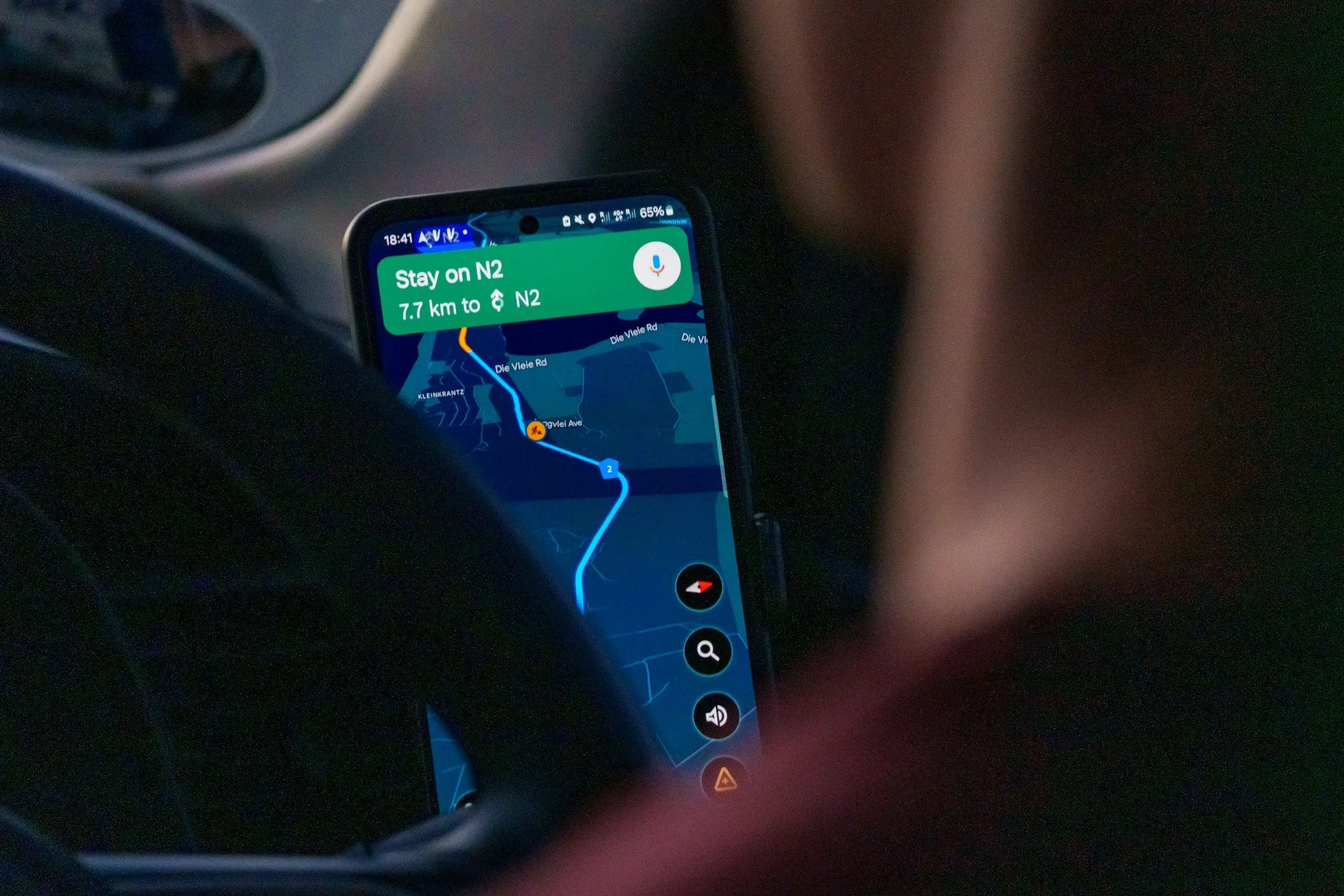
- A paper map and guidebook. Offline maps and a saved plan do the job. Using Google Maps offline explains how.
- A camera. For most trips, a modern phone is enough.
- Tickets and boarding passes. Many airlines, trains and venues accept mobile tickets. Keeping boarding passes on your phone covers the setup.
- A wallet, in places that accept phone payments. Check before you go; this varies a lot between places.
- A phrasebook. Translation apps with offline languages.
- A book, a film, a music player, an alarm clock, a torch, a notebook. Obvious, but they add up, and they are why packing is lighter now.
- Your itinerary, a document folder and a to-do list.
What it cannot replace
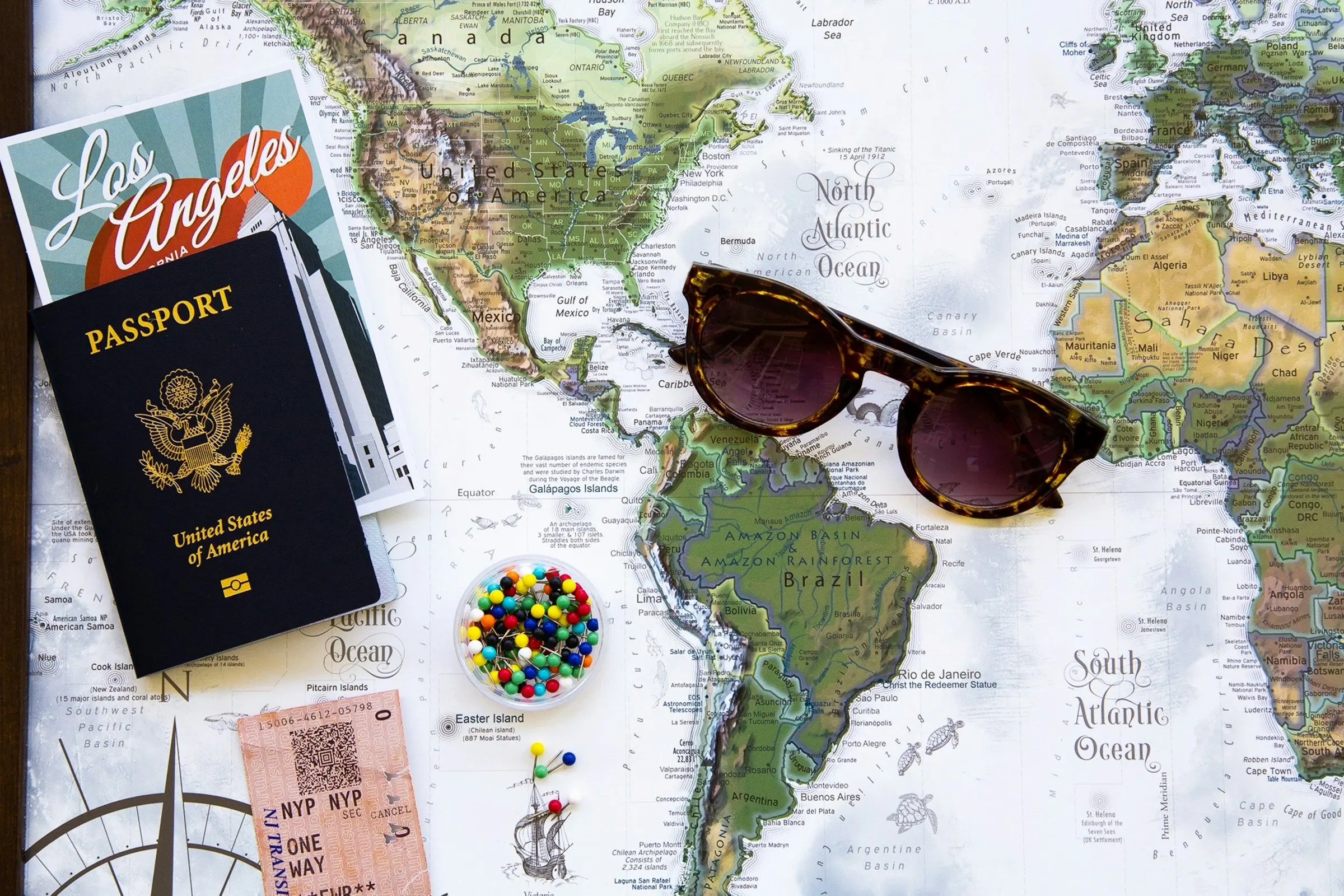
- Your passport and any visa or entry documents. The official requirement is a document. Check the official government site of the country you are visiting, and your own government's advice.
- Some form of payment that is not on the phone. At least one physical card, and a little cash, kept apart from the phone. See how to pay abroad.
- Keys, where the accommodation uses a physical key, and door codes you may need to type.
- A power source. The phone is useless flat. Carry a battery pack and cables. Keeping your phone charged has the habits.
- A backup of anything you cannot lose. Tickets, addresses, contacts.
- Medication, and anything else physical you need.
The three things that go wrong
Every "just my phone" trip is exposed to three failures. Plan for each.
1. It dies. The battery runs out, usually when you most need it. Carry a pack, keep an address on paper, and save your booking reference.
2. It is lost or stolen. This is the big one. If everything is on one device, you lose everything at once. Before you go:
- Set a strong lock and turn on find-my-phone.
- Back up the phone, and know your account passwords.
- Keep a copy of your passport, insurance and key bookings somewhere else: a cloud folder, or a person at home.
- Keep a card apart from the phone.
The lost passport guide covers what to do if the worst happens.
3. No signal. In a rural area, a basement or a foreign country with no plan, your phone is a block. Download maps, tickets and your plan before you go, and think about an eSIM.
Set up your phone as the whole kit
Here is a useful order for the setup.
- Data and connection. An eSIM or a plan, tested at home.
- Offline everything. Maps, translation, music, films, books.
- Documents. Tickets, confirmations and a photo of your passport, in a secure place.
- Payments. Cards in the wallet, and the apps you need.
- Your plan. An itinerary that opens offline, with the stays, transit and reservations.
- Safety. Lock, find-my-phone, a backup and an emergency contact.
- Power. Pack, short cable, adapter.
What a minimal bag looks like
If the phone does most of the work, the bag can be small:
- Passport and any required papers.
- One card in the phone's wallet and one physical card, kept separately, plus a little local cash.
- Battery pack, cable, adapter.
- Clothes for the climate, few enough to fit a cabin bag, with layers rather than bulky pieces.
- Medication and a small first-aid kit.
- A paper note with your first address and emergency numbers.
That is a bag you can carry through any airport.
Is it right for every trip?
Not always. Think twice if:
- You are going somewhere remote with little signal or power.
- You will be on a long trip with few chances to charge.
- You are not comfortable relying on one device.
- You are travelling with children who need their own.
For a city break, it is easy, as long as the backups above are in place. For a trek, bring the paper map as well.
Share the load on a group trip
In a group, the phone-only approach works better because you can split the kit. One person carries the battery pack, one holds the cash, one has the paper copies. Nobody has to carry everything, and if one phone fails the group still has a map, a ticket and a card between them.
Small habits that help
Label your phone with a contact detail on the lock screen. Keep it in a zipped pocket, not a back pocket. Check your battery every time you sit down. Take a photo of your luggage tag and hotel card. None of these costs anything, and together they make a phone-only trip feel as safe as one with a full bag.
Next step
Do a trial run. Spend one weekend at home using only your phone, with airplane mode on, for your tickets, maps and notes. You will find the gaps before a trip does.