How to plan a trip to the northern lights: where, when and how
To plan a trip to see the northern lights, go to a place far from city lights and inside the auroral zone, in the dark months, and give yourself several nights. The aurora cannot be promised, since it depends on solar activity and clear skies, so the trick is to plan for more than one chance and enjoy the trip whether or not they appear.
Know what you are looking for
The northern lights, or aurora borealis, happen when charged particles from the sun meet the upper atmosphere. They are strongest in a band around the Arctic. You need three things: darkness, clear sky and some solar activity. You can only plan the first, and improve the odds of the second.
When to go
The lights need dark skies, so the season runs from late summer through the winter into early spring, when the nights are long enough. In midsummer at high latitudes it does not get dark enough at all. Around the equinoxes in autumn and spring, activity is often reported to be higher, though no month is certain.
The darkest, coldest months give the longest nights but also the harshest weather. Pick based on what else you want from the trip, such as snow activities, daylight for sightseeing or lower crowds.
Where to go
Choose a region in or near the auroral zone, with a good record of clear skies and low light pollution.
- Northern Norway has a coast and mountains and many tours. See the Norway travel guide.
- Iceland is easy to reach, with dark countryside near the main towns. See the Iceland travel guide.
- Northern Sweden and Finland have inland areas with often clearer skies and cabins and lodges built for it.
- Canada and Alaska offer wide, dark landscapes, with Yukon, the Northwest Territories and the interior of Alaska all popular.
A few days in one base works better than a rushed tour of several. If you are choosing between regions, ask which one fits the rest of your wishes: dog sledding, hot springs, a coast, a small town.
Give yourself several nights
The most important rule is to stay for at least four or five nights. Clouds and quiet solar activity are normal, and each night is a fresh chance. A single-night trip is a gamble. Build a few spare nights into the plan and keep the days relaxed, since you may be up late.
Check the forecasts
Use two kinds of forecast: the cloud cover, which decides whether you can see anything, and the aurora forecast, which estimates solar activity. Local weather services and space weather sites publish both. Be ready to drive or go on a tour to where the sky is clear, since a few dozen kilometres can make the difference.
Tour or go alone
Guided tours know where the sky is clear, handle the driving in winter conditions, and often provide warm clothing and a place to wait. A tour is a good choice if you are not used to winter roads or the area.
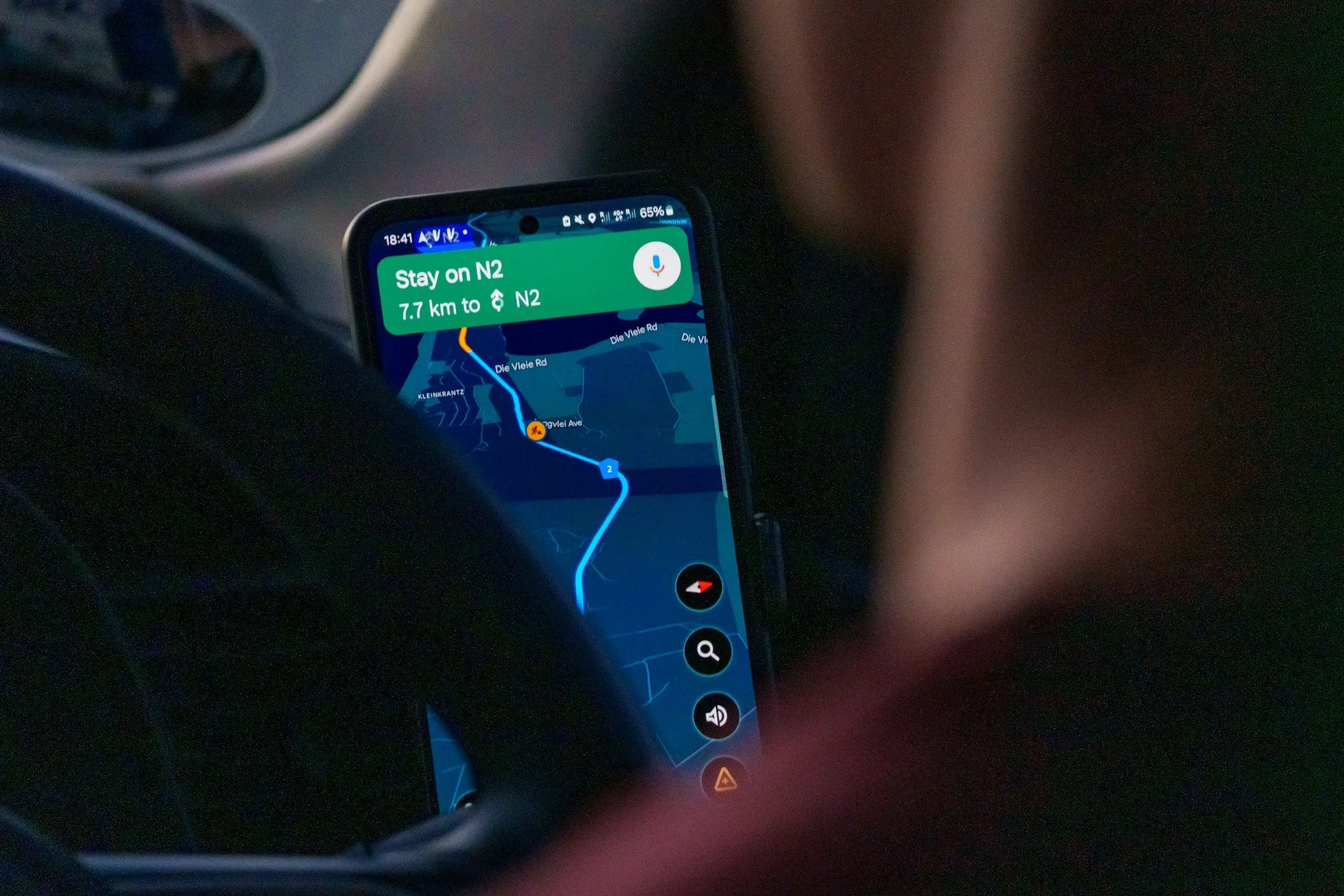
Going alone gives freedom and costs less, but you need a car suited to winter driving, a plan for where to stand and warm clothing. Whichever you choose, book well ahead for the main season. If you are driving, driving abroad and renting a car abroad cover the basics.
Stay somewhere dark
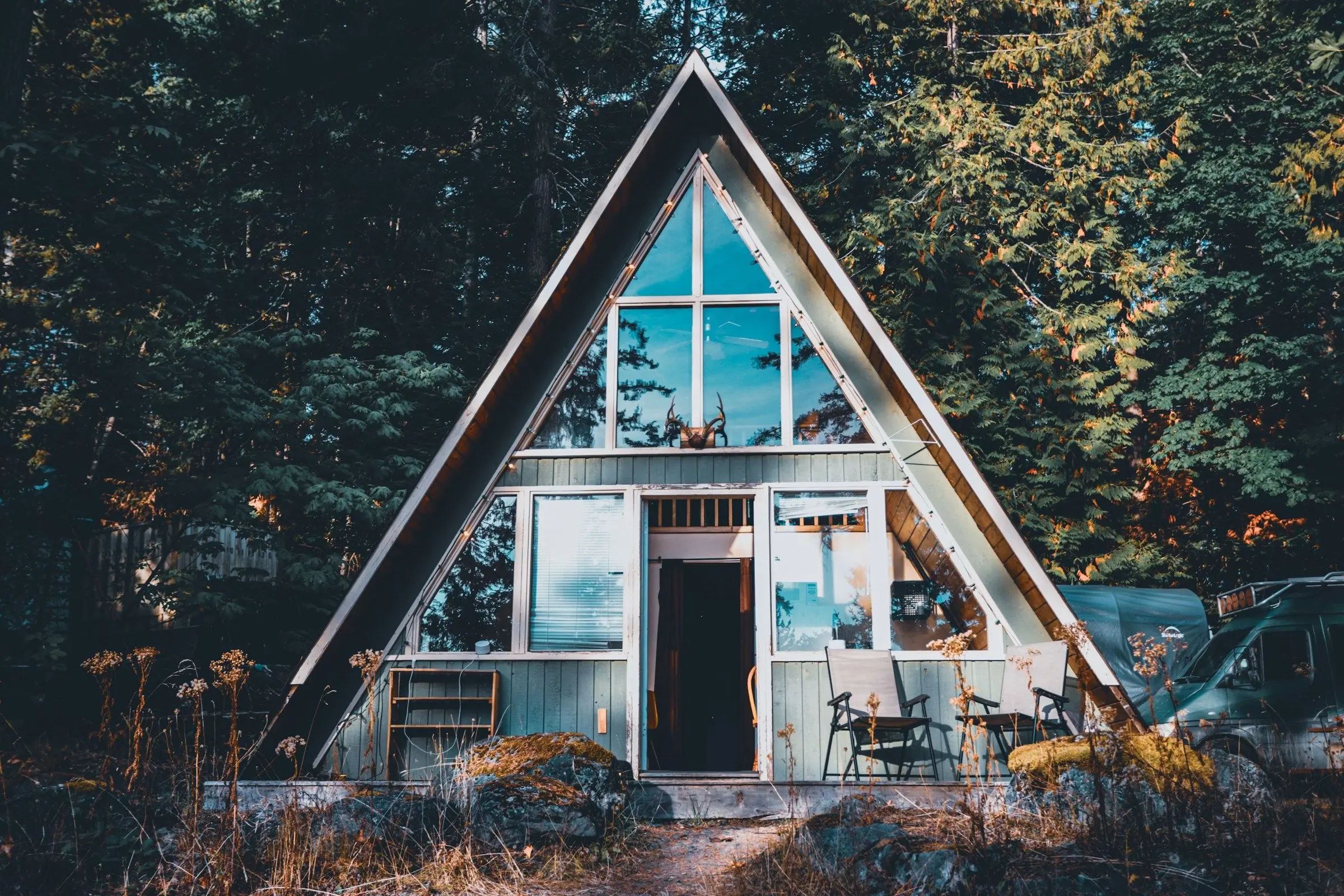
Choose a stay away from city lights, with an open view of the north. A cabin or lodge outside town is ideal, and some offer wake-up calls when the lights appear. In a town, you may need to travel out each night.
Dress for the cold
Waiting outside in winter is cold, even on a mild day. Layers are the key: a thermal base layer, a warm mid layer, an insulated outer layer, a hat, gloves with liners, warm socks and insulated boots. Pack a thermos, hand warmers and a headlamp with a red light. The cold weather packing list has the full list.
Photograph the lights
A phone can capture the aurora if it has a night mode. Hold it still on a tripod or a solid surface, use a timer, and expect to take several shots. Cold drains batteries quickly, so keep a spare power bank inside your coat. Better travel photos on your phone has more.
Plan it with others
A northern lights trip often means a shared cabin or a small group tour, with a rented car and a plan that changes with the sky. Keep the stay, the car and the tour bookings in one place, and agree who is on wake-up duty.
A sample five nights
A simple plan is five nights in one cabin or lodge. The days are quiet: a late breakfast, a gentle outdoor activity such as a snowshoe walk, a husky ride or a hot spring, then an early dinner and a rest. After dark, you go out when the forecast says the sky is clear, and you come back when you are cold. If the first nights are cloudy, you still have the later ones, and the days are full anyway.
Plan one night off in the middle, so you are not exhausted by the fourth and fifth nights.
Keep the days easy
The lights are a late-night activity, so do not fill the days. Pick one activity a day and leave the rest. Sleep when you can, and keep a hot drink and a snack ready for the waiting. A phone left in the cold drains fast, so keep it inside your coat and a power bank close.
What to do next
Choose a region and a stretch of at least four nights in the dark months. Book the stay and any tour first, then the transport, and keep your days easy so you are rested for the nights.