How to plan a trip to Yellowstone: where to stay, what to see
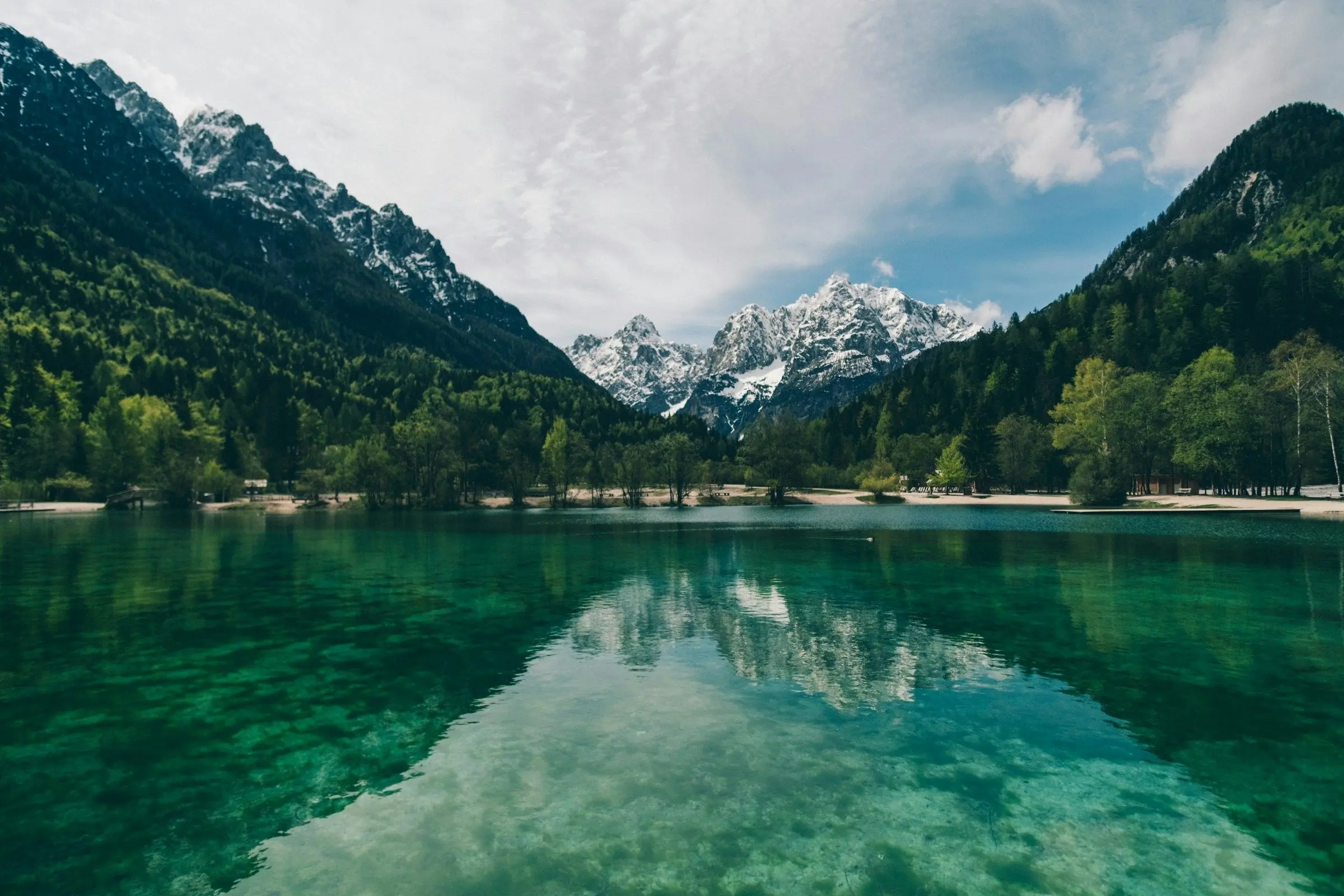
To plan a trip to Yellowstone, decide when you are going, book a bed inside or near the park as early as you can, and plan around the Grand Loop road rather than a single sight. The park is huge, driving is slow, and there is almost no way to see it all in a day. Three to five days is a comfortable first visit.
Choose the season first
Yellowstone changes more with the calendar than most places. Summer is the busiest season, with every road open, the longest days and the most traffic at the famous sights. Spring and autumn are quieter, with cooler weather, and some facilities open only for part of the year. Winter is a different trip altogether: much of the park can be reached only by oversnow transport, and the roads that stay open are limited.
Because roads and facilities open and close on a seasonal schedule, check the National Park Service page for Yellowstone before you fix dates. It lists which roads are open now, and it is the place to confirm entrance rules and any timed or paid access. Do not rely on a blog, including this one, for dates.
Pick your base: inside the park or at a gate
The park has several entrances, and where you sleep decides how much of each day you spend driving. Roughly, you have two choices.
- Inside the park. You wake up close to the geysers and the wildlife, and you avoid a long drive at each end of the day. Rooms and campsites inside the park are limited and fill up early, so this is the first thing to book once your dates are set.
- In a gateway town. More choice and usually easier to book, but you will drive to and from the park each day, sometimes for an hour or more before you reach the sight you came for.
For a longer stay, many people split it: two nights near one side of the park, then two near the other, so that no day starts with a long transfer. How many days in each city uses the same idea for city trips, and it works for parks too.
Plan around the Grand Loop
Most of the main sights sit along a figure-eight road, often called the Grand Loop. Think of it in sections and give each section its own part of a day:
- Geyser basins. The area around Old Faithful and the neighbouring basins has boardwalks and many thermal features close together. You can spend a morning here without repeating yourself.
- The canyon and waterfalls. A different landscape, with viewpoints on both rims of the river canyon.
- Lake country. Wide, calm and good for a slower afternoon.
- The northern range and valleys. The best area for wildlife watching at dawn and dusk.
Speed limits are low, roads are often one lane in each direction, and a bison or a photographer can stop traffic for twenty minutes. A day with two sections is realistic. A day with four is a day in the car.
Be early, or be late
The popular stops have the biggest crowds in the middle of the day. Go to the geyser basins and the canyon viewpoints early or in the evening, and keep the middle of the day for lunch, a drive or a swim where swimming is allowed. Wildlife is also most active at the edges of the day, which is one more reason to start early.
Wildlife and thermal areas: the rules that matter
Yellowstone is a place where people get hurt by treating it like a zoo. The park publishes minimum distances for bears, wolves and for other animals such as bison and elk, and they are there for a reason. Read them before you go, and keep to them. Pull over safely to watch, and stay in your car if an animal is close to the road.
In thermal areas, stay on the boardwalks and marked paths. The ground can be thin over scalding water. The same goes for children and dogs: check the park's rules, because pets are limited in many areas.
If you plan to hike, ask at a visitor centre about bear safety and the conditions on your trail, and carry what the rangers recommend. A hiking trip packing list covers the layers, water and first-aid basics.
Getting there and getting around
Most visitors fly into a regional airport near the park and rent a car, or drive from a nearby state. You need a car, or a tour with one, because public transport inside the park is minimal. If you are flying in, renting a car abroad lists what to check at the counter, and the same applies at home. If this is one stop in a longer journey through the American West, plan a national parks trip shows how to link parks without driving all day.
Mobile signal is patchy inside the park and nonexistent in many valleys. Download offline maps for the whole region before you arrive, save your reservations, and tell someone your plan for the day if you are hiking.
Pack for four seasons in a day
Even in summer, mornings can be cold and afternoon storms can arrive fast. Bring layers, rain gear, sun protection, sturdy shoes, a refillable water bottle and binoculars if you have them. Snacks and water matter more than usual because services are far apart.
Planning it with other people
Yellowstone trips often involve a family or a few friends sharing a car and a cabin. That is a lot of small decisions: which entrance, who is booking the room, what to do on the rainy day.
Everyone in the trip sees the same itinerary, and it works offline, which matters here. If you are sharing costs for the cabin and the car, settling up after a group trip shows an easy way to keep them straight.
What to do next
Pick your dates, then check the park's official page for roads and facilities that are open then. Book the bed first, and the car second. After that, sort the sections of the Grand Loop into days, with no more than two a day, and leave one morning free for whatever the animals decide.