How to plan a trip to Tuscany: a base, a car and a slow pace
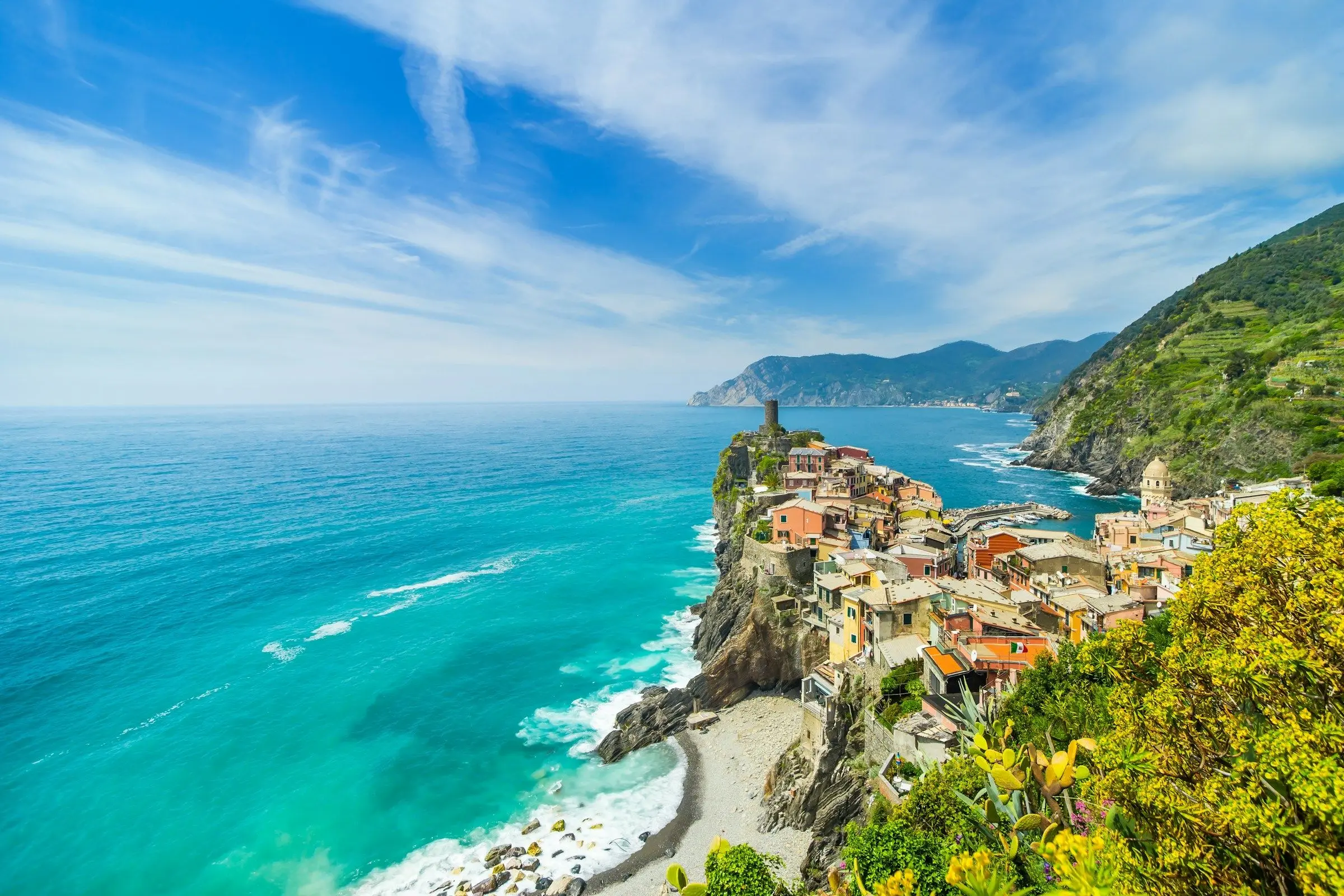
To plan a trip to Tuscany, pick one or two bases, rent a car for the countryside, and give it at least a week. Tuscany is a region of hill towns, vineyards and cypress-lined roads, with Florence, Siena and Pisa as its best-known cities. It rewards a slow pace more than a long list.
Choose what kind of trip it is
Tuscany is really three trips, and most people combine two of them.
- The art cities. Florence is the centre, with Siena and Pisa within easy reach. These can be reached by train and do not need a car.
- The countryside. Rolling hills, small villages, farm stays and wine country. This is where a car and a quiet base pay off.
- The coast and islands. Beaches, pine forests and seaside towns on the western edge, busiest in the summer.
If you have a week, a sensible split is three nights in or near Florence and four in the countryside. For a first city visit, the Florence itinerary shows how to spend three days there, and the Italy travel guide gives the wider picture.
When to go
Spring and early autumn are the favourites: mild weather, green or golden hills and a good chance of long lunches outside. Summer is hot and crowded in the cities, and the countryside is dry and bright. Autumn brings the harvest and the grape picking. Winter is quiet and cool, and some farm stays and restaurants close for a while. Check what is open before you book for those months. Shoulder season travel covers the trade-off between price, weather and crowds.
Where to base yourself
Think about where you will wake up for each night.
- In a city. Easy for sights, restaurants and trains, but without the quiet of the countryside.
- In a hill town. A good balance, with walkable streets, views and short drives to others nearby.
- On a farm or in a villa. The classic Tuscan stay: space, a pool in summer and a table outside. You will need a car and a plan for dinner each night, because the closest restaurant can be a drive away.
Farm stays and villas fill up early for the summer and for September, so book them first. If you are sharing a house with other people, split a villa fairly explains how to divide the cost.
Do you need a car
In the cities, no. Florence and Siena are best on foot, and trains link the main cities. In the countryside, yes: public transport between small towns is limited, and a car lets you stop where you like.
Driving here is part of the pleasure, but it has rules. Many historic town centres are restricted traffic zones, where only residents and permitted vehicles may enter, and a fine can follow by post weeks later. Your accommodation can tell you where to park and whether you need a permit. Roads in the hills are narrow, and distances take longer than they look. Driving abroad and renting a car abroad cover the licence, insurance and rules you should check.
One useful approach: spend the city days without a car, then pick the car up on the day you leave for the countryside, so you are not paying to park it.
A week, sketched
- Days one to three. Florence on foot, with a day trip by train to Siena or Pisa.
- Day four. Travel to the countryside, stop in a hill town on the way, and settle in.
- Days five and six. Small towns, a morning in a market, a winery visit and a walk in the hills. Choose one village a day, not three.
- Day seven. A slow morning, then the drive back, with extra time before any flight or train.
Food and wine
Eating is the heart of the region. Look for simple dishes made with local ingredients: bread, olive oil, beans, grilled meats, pasta with wild boar, cheeses and the local red wines. Book lunch at a winery or farm if you want something special, and ask your host about the small places nearby. Many places close between lunch and dinner, so plan around meal times.
If you are drinking wine with your meals and driving afterwards, plan ahead: a designated driver, or tastings that are tied to your own accommodation.
What to pack
Comfortable shoes for cobbled streets and hill towns, light layers, a hat and sun protection in summer, a rain layer in spring and autumn, and modest clothes for visiting churches. A city break packing list helps with the first part.
Planning with friends or family
Tuscany suits groups, with a villa for everyone to share, but the planning is real: who books the house, who drives, who pays for what.
Small things that make it easier
Many shops and restaurants close in the early afternoon in smaller towns, so do your errands in the morning and plan your meals. Carry a little cash for markets and small cafes. Ask your host before arrival how to find the property, because rural roads are often unlit and satnav can lead you down a track. Buy your groceries for the first night on the way, since the nearest shop may be a drive away. Finally, plan fewer visits than you think: one hill town, a long lunch and a walk is a full day. Tuscany is a place to arrive without a checklist, and the days where nothing was planned are often the ones people remember.
What to do next
Pick your month and decide the split between city and countryside. Book the farm stay or villa first, and the car second. Then choose one village per day and leave an afternoon for nothing.