How to plan a food and wine trip: places, bookings and pacing
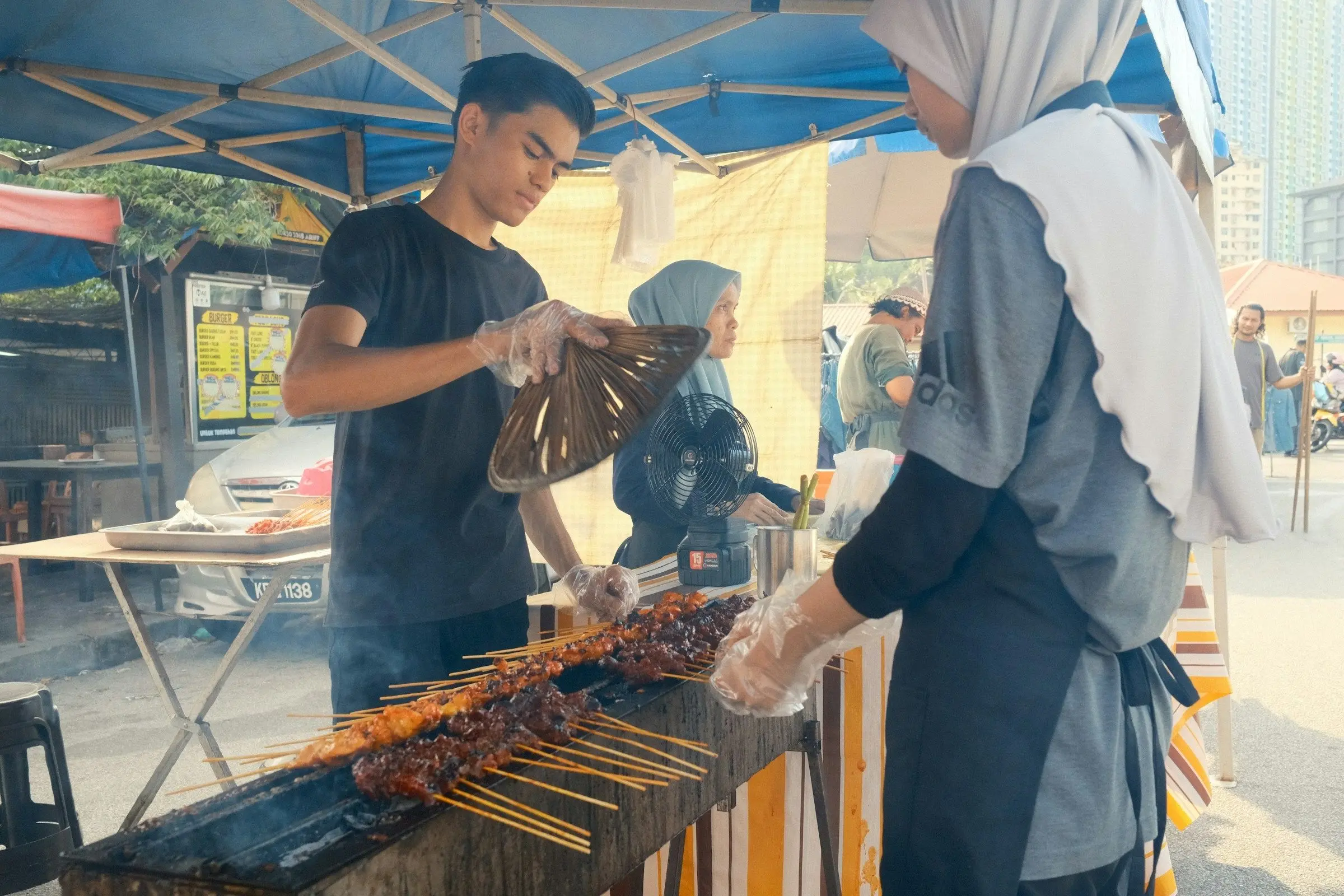
To plan a food and wine trip, choose a region known for what you want to eat and drink, time it to a season when it is at its best, and book the tastings and tables that need booking. Then pace the days so you can enjoy them: one big meal, one tasting and a long gap, not five of each.
The best trips of this kind are not a list of famous restaurants. They are a place where the food and the land belong together, a few good bookings and enough free time to wander into a market or a cellar you did not know about.
Choose a region for the food, not just the city
Start with what you love. Cheese and bread, seafood, street food, olive oil, a particular grape, a style of cooking. Then look for places where that thing comes from. Regions are better than single cities, because the food is tied to the land, and the people who make it live close by.
Some ideas for what to look at on the map:
- Wine regions with towns close to the vineyards.
- Coastal areas with fish markets and small harbours.
- Market cities where the produce and the cooking are the point.
- Rural areas known for one product, such as cheese, ham, olives or truffles.
The guides to Italy, France, Spain, Portugal and Japan each give a sense of the regions and when to go.
Time it to the season
Food has seasons, and so does wine. The harvest is a busy and beautiful time in wine areas, but it is also when producers are working hard, so some cellars take fewer visitors. Spring and autumn are often mild and good for walking. Summer is busy and hot in many regions. Check the producers' own sites and the local tourism pages, since harvest dates move with the weather each year.
Local food festivals, markets and seasonal dishes can shape a trip too. Look for them, and check dates on official sources.
Book what needs booking
Some things fill up and some do not. A rough guide:
- Tastings and cellar visits. Many small producers take visitors only by appointment. Contact them in advance, and book a few days apart.
- Cooking classes and food tours. They have fixed times and small groups. Book them early.
- Popular restaurants. For the places you really want, book as soon as reservations open. Book restaurants for a big group helps when there are many of you.
- Everything else. Leave it open. Some of the best meals are the ones you find by following a crowd of locals.
Put the confirmations somewhere together. How far in advance to book gives the general approach.
Pace the days
A food and wine day is easy to overdo. A good shape:
- Morning: a market, a walk or a visit.
- Midday: the main meal, taken slowly.
- Afternoon: one tasting or a rest.
- Evening: something lighter.
Two tastings in a day is plenty, and a day with one big meal and one tasting is a good one. Drink water, spit when you want to taste several, and eat as you taste.
Leave a day without bookings every few days. You will find you want it.
Plan how you get around
In wine and food areas, the best producers are often out of town, and public transport is thin. Options:
- A driver or a tour, which means no one has to stay sober.
- A bike or a walk between nearby producers, where the terrain and the distance suit.
- A car with a designated driver who does not drink, or who tastes lightly. Drink-driving limits are set by each country and are often strict, so check the official rules, and see driving abroad.
- Trains and taxis between towns, with the tasting in a walkable place.
Decide in advance, since the plan changes the day.
Handle dietary needs
If anyone in the group has an allergy, an intolerance or follows a particular diet, plan for it early. It is easier in a place with a lot of choice, and harder in a small producer's kitchen. Contact the restaurant or host ahead of time, and carry a card in the local language that explains the need. Travelling with dietary requirements goes into how.
Plan the money
Food trips often cost more in the extras than in the travel: tastings, tours, classes, the bottles and the food you carry home. Set a budget for each day, and decide in advance if there is a limit on what you buy to bring back, since there are rules on carrying alcohol and food across borders, and they change. Check the official customs sites of the country you leave and the one you return to. Make a travel budget shows how to put it together.
If the group shares costs, record each meal and tasting as you go and settle up at the end.
Pack for the food
Comfortable shoes for market walking, a layer for cool cellars, a small bag for what you buy and something sensible to wear to the dinner you booked. If you plan to bring wine or food home, pack tape and padding, and check the airline and customs rules for what you can carry.
What to do next
Choose the region and the season, then book the one or two experiences that need it most: a tasting, a class or a table. Plan the transport so everyone can enjoy it, and keep half the days open. To keep the rest of the plan in order, plan a trip step by step is a good next read.