Packing list for Japan: what to bring and what to skip
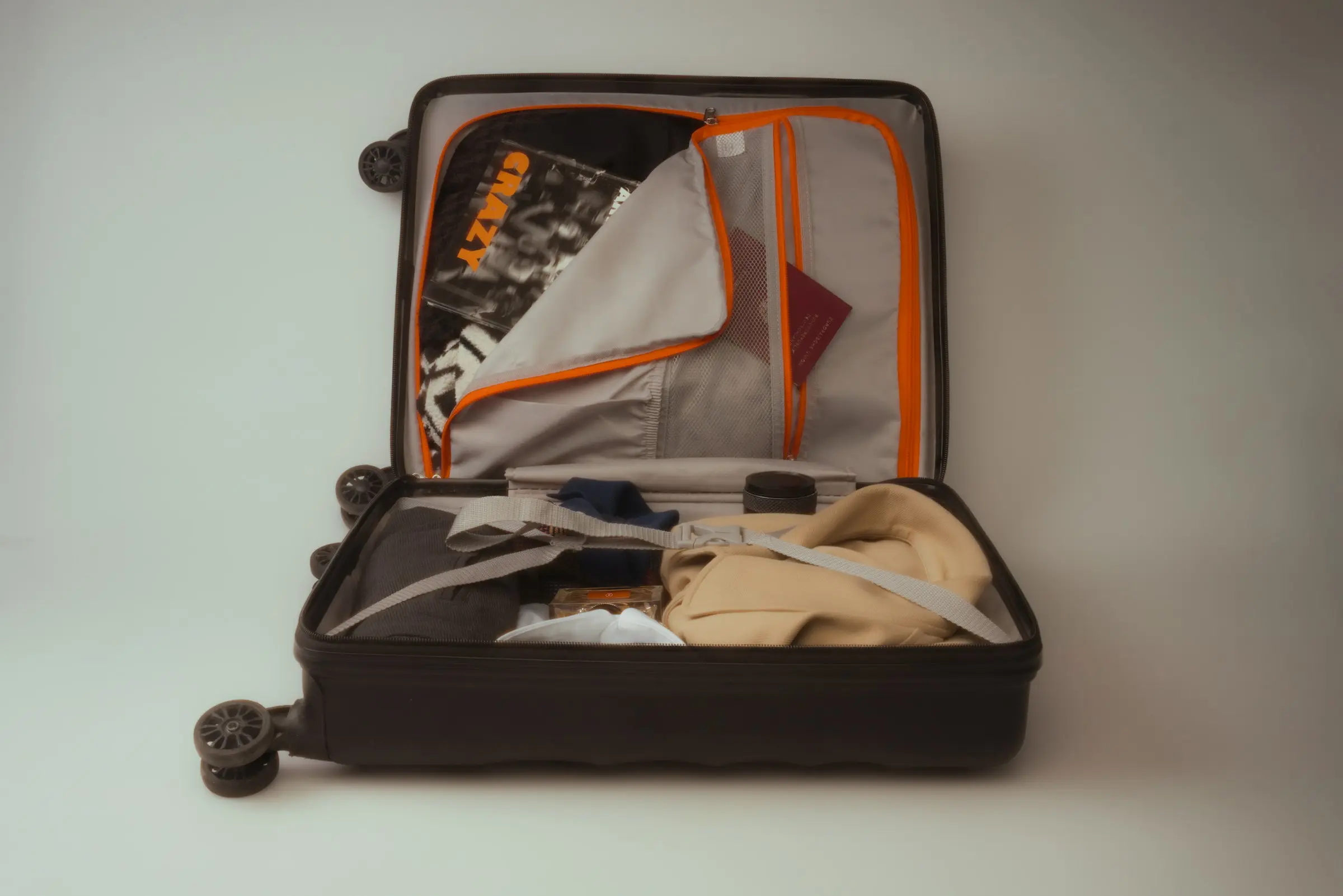
A packing list for Japan is built around three things: you will walk a lot, you will take your shoes off often, and you will move between cities by train with your bag. Pack light, choose shoes that slip on and off, carry a small coin purse and bring a way to deal with trash, because public bins are rare. Everything else is a matter of season.
This list suits a trip of one to three weeks. For where to go, see the Japan travel guide.
A bag you can move on trains
Many Japanese trains and station layouts are friendly to luggage, but stairs, narrow platforms and small hotel rooms are normal. Choose a carry-on size suitcase or a backpack, and use a small day bag for your daily things. If you plan to buy gifts or clothes, pack the bag three-quarters full. If you send large bags between hotels with a luggage forwarding service, which many hotels and stations offer, you can travel with a small bag on trains and meet your suitcase at the next stay. Ask your hotel how it works.
Clothes by season
Japan has four clear seasons, and the weather differs a lot between the north and the south, so check the forecast for your cities and dates.
- Spring and autumn: layers. A light jumper, a thin jacket and trousers or long skirts. Mornings and evenings are cool.
- Summer: very warm and humid, with a rainy season in early summer. Pick light fabrics that dry fast, a hat, a small towel or handkerchief for sweat, and a compact umbrella.
- Winter: cold in most of the country and snowy in the north and mountains. A warm coat, thermal layers, gloves and a hat. Indoor heating is strong, so wear layers you can remove.
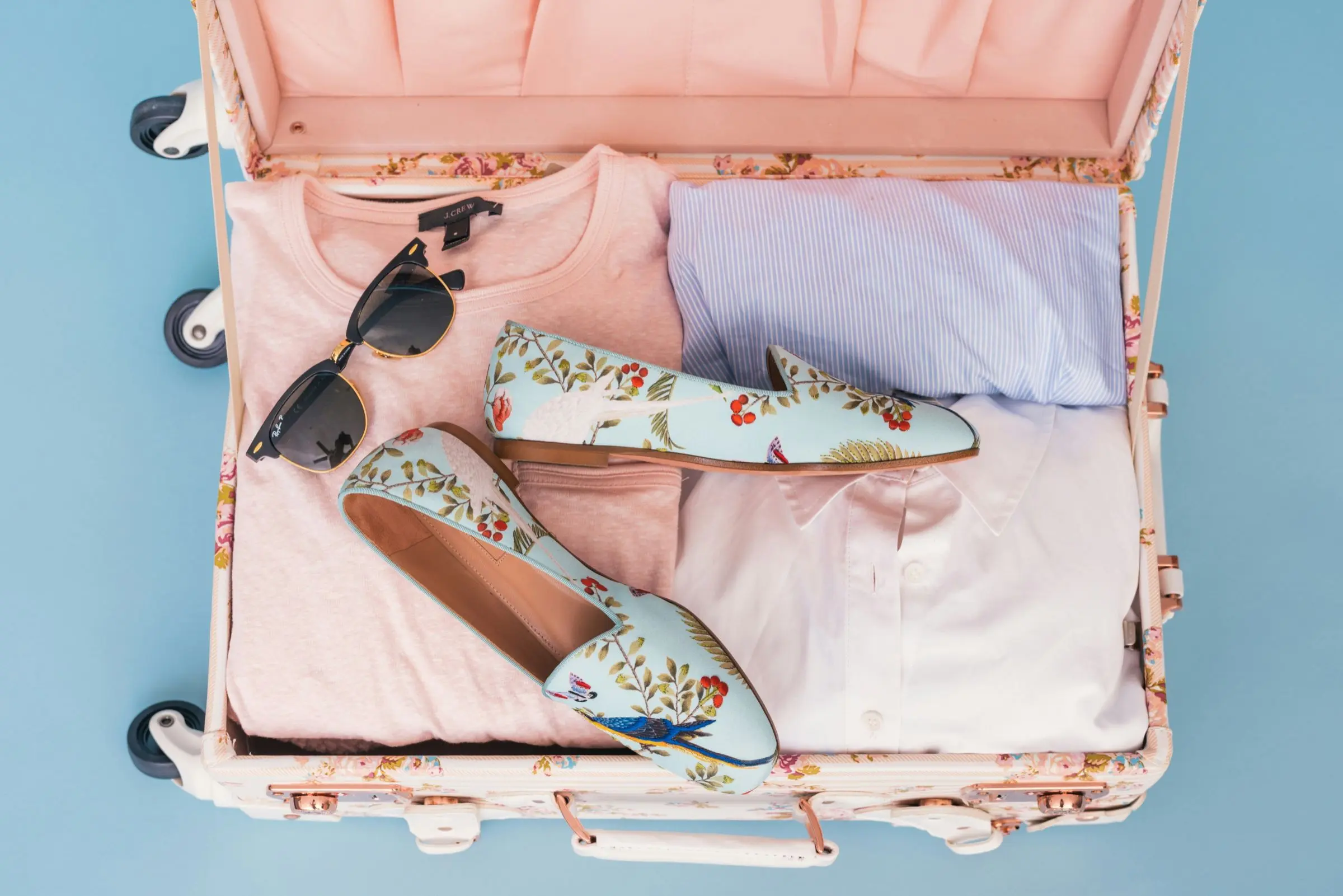
For all seasons, pack five or six tops, two or three bottoms, one smarter outfit and underwear for about five days. Laundromats and hotel laundry are easy to find, so you do not need to pack for the whole trip. Neat, modest clothes fit most places. Many temples and shrines ask visitors to dress respectfully, and covering your shoulders and knees is a safe choice.
Shoes and socks
This is the item that matters most. You will take off your shoes at many homes, guesthouses, some restaurants, temples and changing rooms. Pick comfortable walking shoes that you can slide on and off, and wear socks without holes. A pair of spare socks in your day bag is useful. Plain slippers are often provided, but your socks are the first thing people see.
Walking distances are long, even in a day that looks easy on a map, so wear shoes that are already broken in.
Cash, coins and cards
Cards are accepted in many places, but small restaurants, shrines, local buses and vending machines often work with cash. Bring a way to get cash when you arrive and a small coin purse, because coins are used constantly. Rules about which foreign cards work at which cash machines change, so check with your bank before you go.
- A coin purse or a small zipped pouch
- A card that works abroad, and a second one stored separately
- A little local cash for the first day
- A tray habit: in many shops you place money on a small tray rather than hand it over
Tipping is not usual, so you do not need to carry small bills for that. Tipping around the world explains what is normal where.
Things Japan makes easy to forget
- A bag for trash. Public bins are scarce in many cities. Carry a small bag and take your waste back to your stay, or use bins at shops and stations.
- A handkerchief or small towel. Many public toilets have no hand towels.
- A refillable bottle. Tap water is generally drinkable, and vending machines are easy to find, but a bottle saves money and plastic.
- A cross-body or small backpack. On crowded trains, a bag worn in front of you is polite and practical.
- A tote or foldable bag. Shops often charge for carrier bags or give them sparingly.
- A small pack of tissues. Same reason as the handkerchief.
Documents and connection
- Passport, with the entry rules checked on your own government's travel site and on the official site of Japan's authorities. Entry requirements depend on nationality and change.
- Travel insurance details
- Hotel and train confirmations saved offline
- Any permit or licence needed for what you plan to do, such as driving, which has its own rules for foreign visitors
- A way to stay online: an eSIM, a rented pocket Wi-Fi or a local SIM. eSIMs and staying connected explains the choices.
Electronics
Japan's sockets are two flat pins. Many chargers from other countries fit, but check the voltage range on your charger label, and bring an adapter if your plug shape is different. A power bank is useful on long travel days with a lot of map use.
Medicines and health
Medicines that are normal at home can be restricted in other countries, and some common ones are controlled in Japan. Check the rules for your medicine on the official site of Japan's health or customs authorities before you pack, bring it in the original packaging and carry a prescription or a doctor's letter. Travelling with medication explains how to check.
What to leave at home
- Many pairs of shoes
- Heavy jeans in summer
- Big towels. Hotels provide them, and bathhouses rent or sell them.
- A large amount of cash
- Food that crosses borders, which can be restricted
- Strong perfume. Many people avoid it in shared spaces.
Where to go next
Lay everything on a bed the night before and take out a third of it. Then look at the Tokyo itinerary or the Kyoto itinerary and check that your bag suits the pace you chose.