Travel first aid kit: what to pack and how to organise it
A travel first aid kit should be small, organised and built around the problems travellers actually have: cuts and blisters, upset stomachs, pain and fever, allergies and bites, sun and motion sickness. Add your own regular medicines, and ask a pharmacist or a travel clinic to check what suits your trip.
This is general guidance, not medical advice. Your doctor or a travel clinic knows your health and your destination; ask them before you go, especially for vaccines and prescription medicines.
Start with your own needs
The best kit is built around the people using it.
- Any regular prescription medicine, with enough for the trip plus a few spare days, in original packaging
- Anything for a known condition: an inhaler, an epinephrine auto-injector, insulin, allergy medicine
- Glasses or contact lenses, with spares
- For children, medicines in the form and dose a doctor recommends
Rules about carrying medicines differ between countries, and some medicines are controlled. Read travelling with medication, and check the official government site of the country you are visiting. Carry a copy of the prescription, and a doctor's letter when it is advised.
Wounds and feet
- Plasters in several sizes, and waterproof ones
- Blister pads, which matter more than most people expect
- Antiseptic wipes or cream
- A small roll of tape and a couple of sterile dressings
- A small pair of scissors or a multi-tool, in your hold bag
- Tweezers, for splinters and ticks
- Safety pins
Pain, fever and colds
- Pain relief, such as paracetamol or ibuprofen, depending on what suits you
- A thermometer, if you are travelling with children or going somewhere remote
- Throat lozenges and a nasal spray
- A decongestant, if you are prone to sinus trouble on flights
Check the name of the same medicine in the country you are visiting, since brands and strengths differ.
Stomach and digestion
Stomach upsets are among the most common travel problems.
- Oral rehydration salts, which are light and valuable
- An anti-diarrhoea medicine, if a doctor or pharmacist recommends it
- Something for indigestion or heartburn
- Motion sickness tablets or bands, for boats, buses and winding roads
- A gentle laxative, in case your routine changes
Drink safe water, wash your hands, and ask locally about tap water. If symptoms are severe, last long or come with a fever or blood, see a doctor.
Allergies, bites and sun
- Antihistamine tablets
- Hydrocortisone cream or another cream for bites and rashes
- Insect repellent. Ask a travel clinic which kind suits your destination.
- Sunscreen, and after-sun gel
- A tick remover, if you will be in grass or woods
- Eye drops
Small extras
- Hand sanitiser and wet wipes
- A few face masks, if you want them
- Disposable gloves
- An instant cold pack, for sprains and bumps
- A list of emergency numbers for where you are going, and your blood type if you know it
- A small card with your allergies, medicines and emergency contact
Where to carry it
Split the kit in two.
- Hand luggage. Your essential medicines, anything you need on the day, pain relief and plasters. Airports have rules about liquids and some medicines, so check your airport's official site, and see packing toiletries for a flight.
- Checked or main bag. The rest of the kit, including scissors and larger bottles.
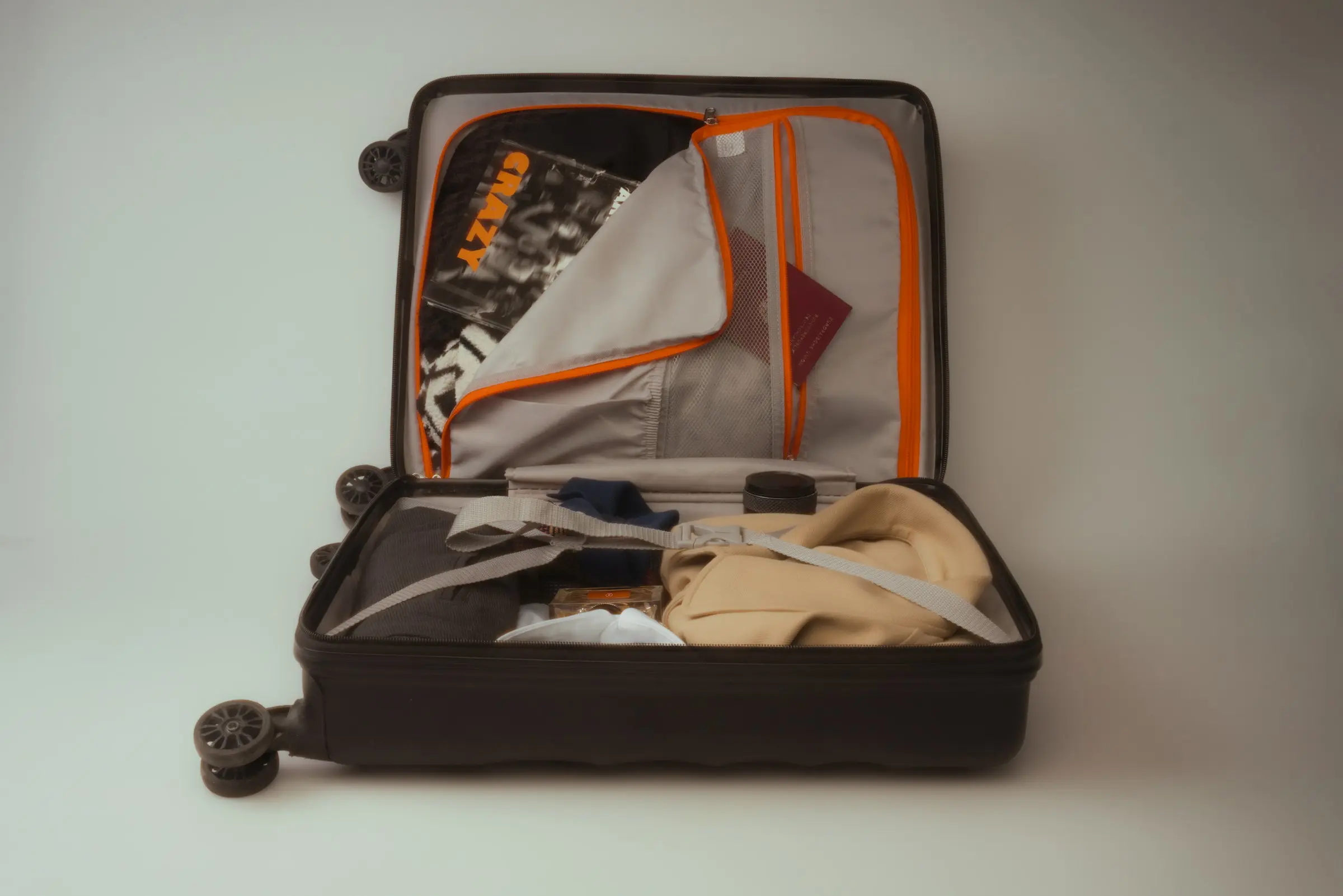
Use a small, clearly labelled pouch, ideally with a clear window. A bright colour is easier to find. Keep the kit together and out of the heat, since some medicines spoil in hot cars.
Check it before you go, and after
- Check expiry dates, and replace anything old
- Refill what you used last time
- Add or remove items for the destination, the season and the activities
- After the trip, put the kit back to full, so it is ready for next time. A kit you refill after every trip is one you can trust on the next. Keep it in the same cupboard as the suitcase, so it is never forgotten
Before you travel
- Ask a travel clinic about vaccines and health risks for your destination, well ahead, since some need weeks
- Check that your travel insurance covers medical care and, if you will be remote, evacuation. Travel insurance explained covers what to look for.
- Know where the nearest hospital or clinic is, and how to call emergency services where you are going
- Store emergency contacts and insurance details where you can reach them offline
Kits for a group
On a group trip, one good kit is enough for the shared items, and each person carries their own medicines. Agree who brings the main kit, who has the children's medicines and who has the allergy kit, so nothing is missing and nothing is duplicated. What a group should share helps decide.
Check it fits the trip
A city break needs plasters, pain relief and stomach remedies. A hike needs blister care, strapping tape for sore spots on the feet and a way to deal with a sprain. A trip with children needs doses that suit them, a thermometer and a spare of anything they take. A remote trip needs more, and a conversation with a travel clinic. Review the kit against the plan for your days, not against a generic list, and take the smaller, lighter version when you can buy anything you need on arrival.
Where to go next
Check your kit a week before you leave, so there is time to buy anything missing. Then add it to your packing list, and tick it off when it goes in the bag. If you are travelling abroad for the first time, the first trip abroad checklist covers the rest.