Packing list for Southeast Asia: what to bring for heat and rain
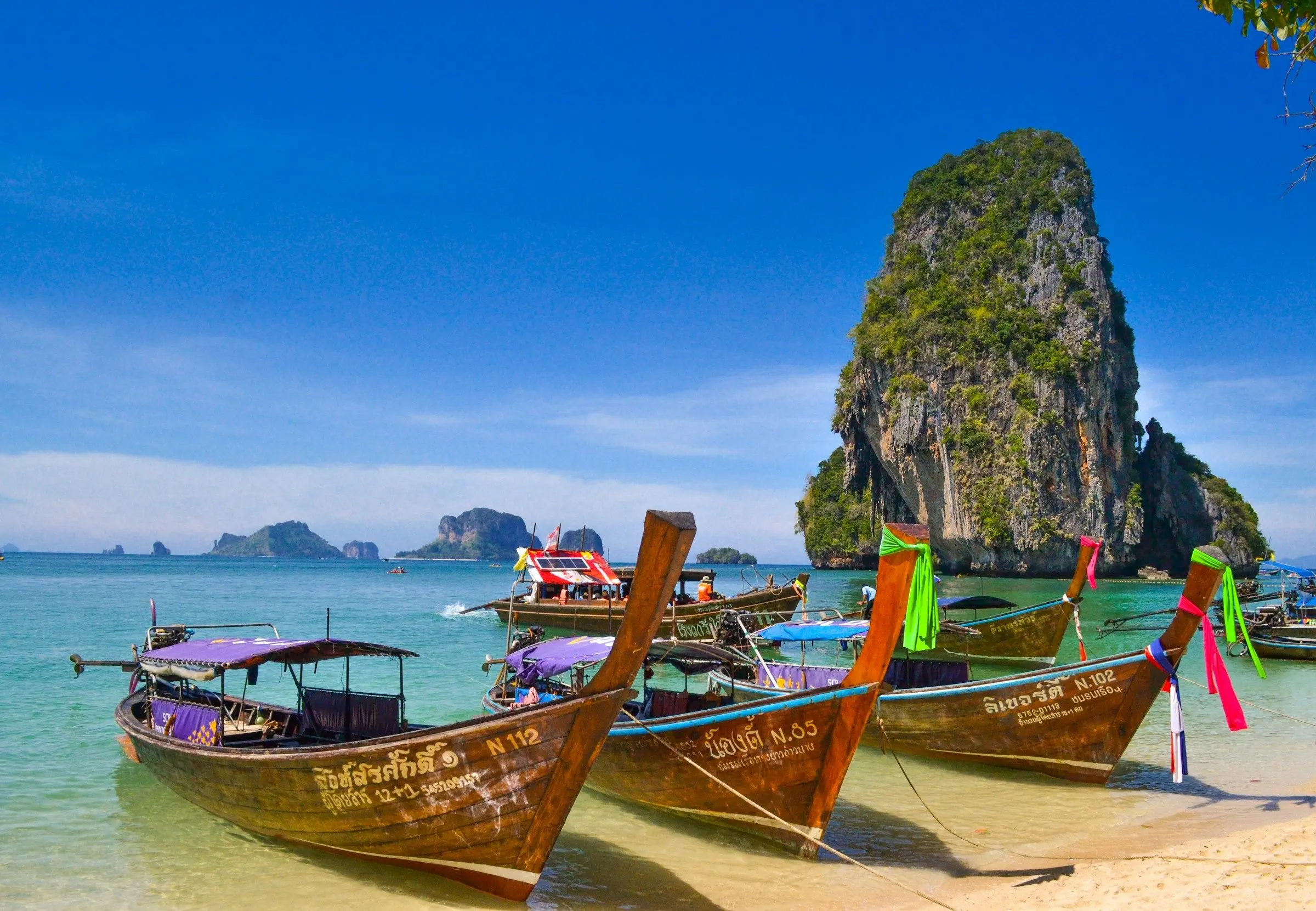
A packing list for Southeast Asia is built around heat, humidity and sudden rain: light, quick-dry clothes, a rain jacket, sandals and walking shoes, sun and insect protection, and a few items to cover temples and cool buses. Pack half what you think you need. Laundry is easy and cheap in most places, and shops sell almost everything else.
The region covers many countries and climates, from city streets to jungle and island beaches, so check the season for each stop. The list below works for most routes.
Pick a bag you can carry
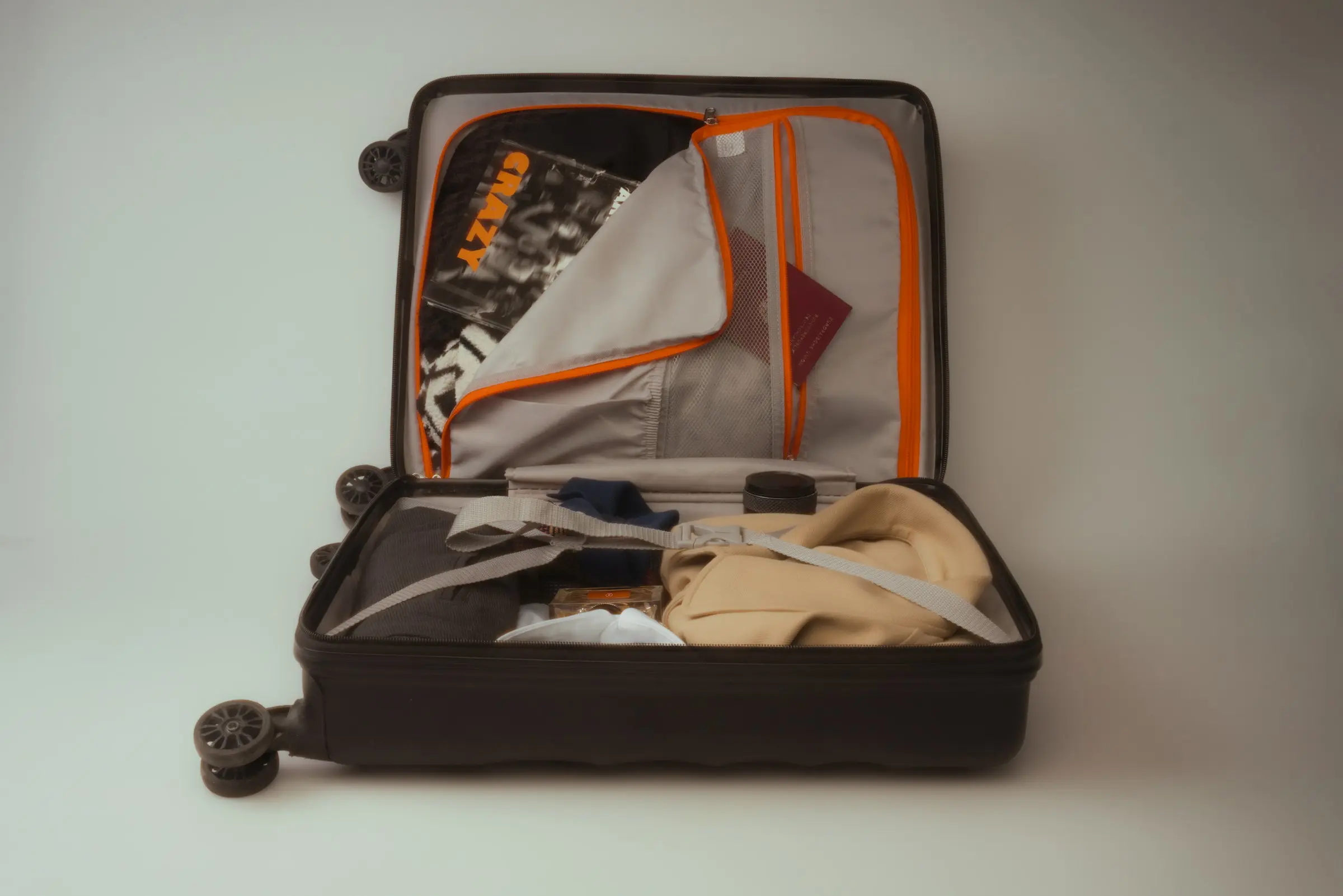
You will move often, on buses, boats, trains and short flights, up stairs and along uneven pavements. Pick a bag you can lift easily.
- A backpack of 35 to 50 litres, or a soft duffel with straps, is easier than a hard suitcase on uneven ground
- A small daypack for the day
- A waterproof cover or a dry bag, for rain and boats
- A small padlock, for hostel lockers and bags on buses
Clothes
Light, loose and quick-drying wins. Cotton and linen are cooler, but dry slowly in humidity. Synthetic and blended fabrics dry faster.
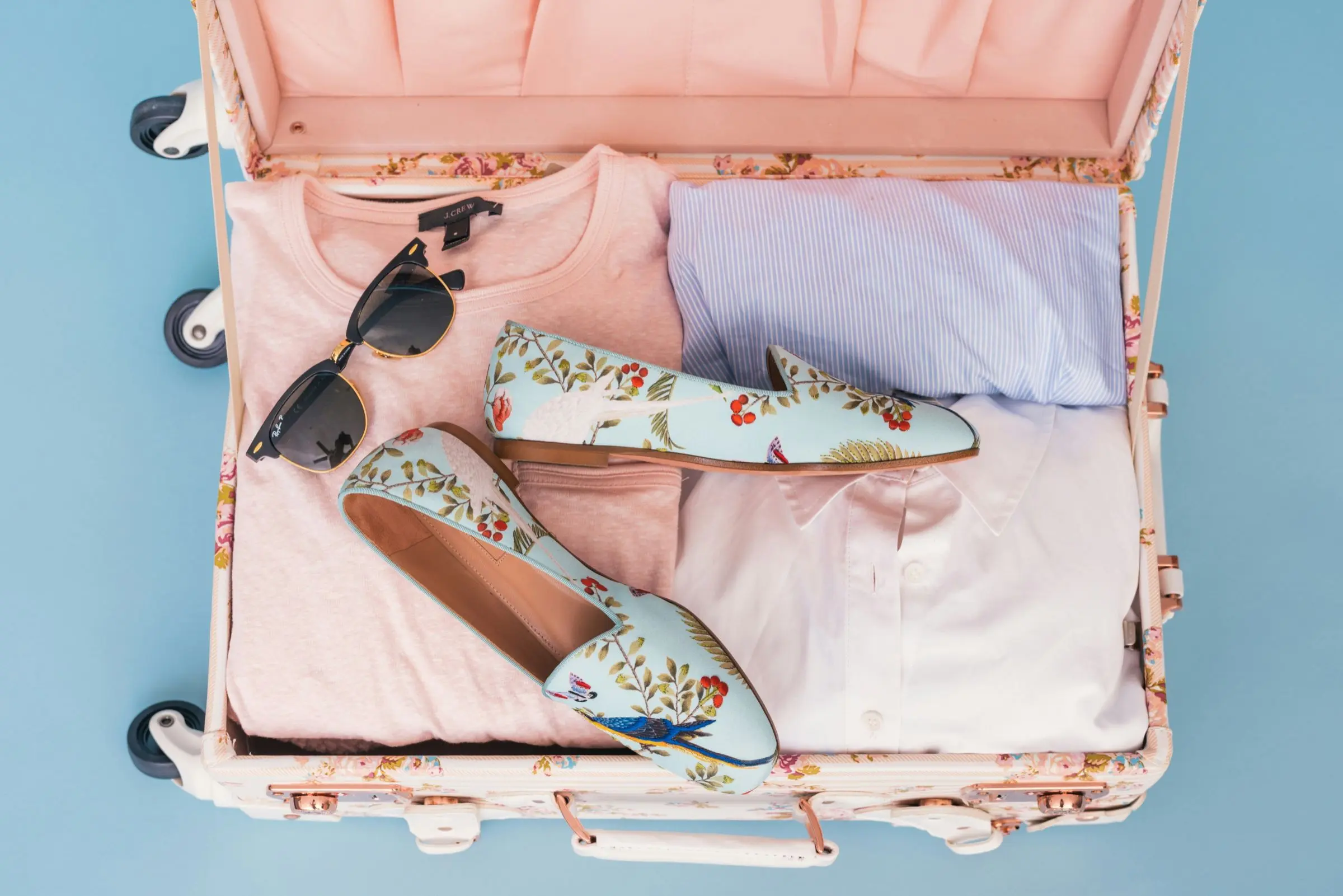
- Four or five tops, a mix of short-sleeve and one light long-sleeve
- Two or three pairs of shorts or light trousers
- One long skirt or long trousers, and one top that covers the shoulders, for temples and religious sites. Many sites ask for covered shoulders and knees, so check the rules at each one.
- One light layer for air-conditioned buses and trains, which can be very cold
- A light rain jacket or a poncho
- Swimwear, and a quick-dry towel
- Underwear and socks, five days' worth, plus a laundry plan
- Sleepwear
Plan to do laundry every few days. Most towns have laundries that wash and dry by the kilo.
Shoes
- Sandals that stay on in the rain and can be worn for walking
- Comfortable walking shoes or trainers, broken in before you leave
- Flip-flops for hostel showers and the beach
- Hiking shoes, only if you plan to trek
You will also take shoes on and off often, because many homes, temples and guesthouses ask you to. Slip-on shoes make that easy.
Sun, insects and water
- High-protection sunscreen, applied often. The sun is strong near the equator.
- A hat, and sunglasses
- Insect repellent, and ask a travel clinic about which kind and strength suits your route
- A light long-sleeve top for evenings. Many mosquitoes bite from dusk, and the kind that carries dengue also bites in daylight, so use repellent through the day too
- A refillable water bottle. Check locally whether tap water is safe to drink, and use filtered or bottled water where it is not. A bottle with a filter is an option.
- Electrolyte sachets for hot days
- Hand sanitiser and wet wipes
Health kit
Ask a travel clinic about vaccines and malaria and dengue risks for your route, well before you go, because some need weeks. Travel first aid kit has a full list. At minimum:
- Your regular medicines, in original packaging
- Rehydration salts and something for stomach upsets
- Plasters, antiseptic and blister pads
- Pain relief and antihistamines
- Cream for bites and sunburn
- Any prescription you take, with a copy of the prescription
Electronics
- A phone, with a charger and a power bank
- A universal plug adapter. Plug types vary across the region, so check each country. See the Thailand travel guide for one example.
- An eSIM or a local SIM, set up before you land if you can
- Offline maps downloaded for each city
- A waterproof pouch for your phone, for boats and rain
- Headphones for buses and trains
Documents and money
- Passport, with enough validity for each country. Check the official government site of each country you plan to visit, because entry rules and onward-ticket requirements differ.
- Photocopies or photos of your passport and insurance, saved offline
- Travel insurance that covers your activities. The travel documents checklist lists the rest.
- A card that works abroad, and some cash in local currency. Cash is still common at markets, small restaurants and local transport.
- A hidden pouch or money belt for a spare card and some cash
Behaviour and customs
- Cover shoulders and knees at temples, and take your shoes off where asked
- Do not touch people on the head, and be careful with feet, which are considered low in many places
- Learn a few words in each language, which is received warmly
- Ask before photographing people
What to leave at home
- Heavy jeans, which stay wet and dry slowly
- Too many shoes
- Expensive jewellery and watches
- Large towels and bulky toiletries, which are easy to buy locally
- Anything you will not wear more than twice
Pack for the route, not the region
Southeast Asia has dry and wet seasons that differ by country and even by coast, so a list for one route can be wrong for another. Check the climate for each stop at the time you will be there. A highland town can be cool at night, an island can have rough seas in the wet season, and a city can be hot and humid all year. Pack the base list above, then add or remove one layer, one pair of shoes or one item of rain gear for each place you will visit.
Where to go next
Check the weather for each month and country, then swap items in and out. If you are still working on the route, plan a Southeast Asia backpacking trip is the place to start.