Does a layover count as visiting a country? It depends

Does a layover count as visiting a country? There is no official answer, and no authority that decides. Most travellers say a layover spent inside the airport does not count, while a layover where you left, saw something and came back does. What matters is that you choose a rule, write it down and apply it to every trip.
If you keep a list of countries you have been to, this question comes up quickly, usually at dinner, usually with someone who disagrees. Here are the rules people use, the cases that cause arguments, and how to pick.
The four rules people use
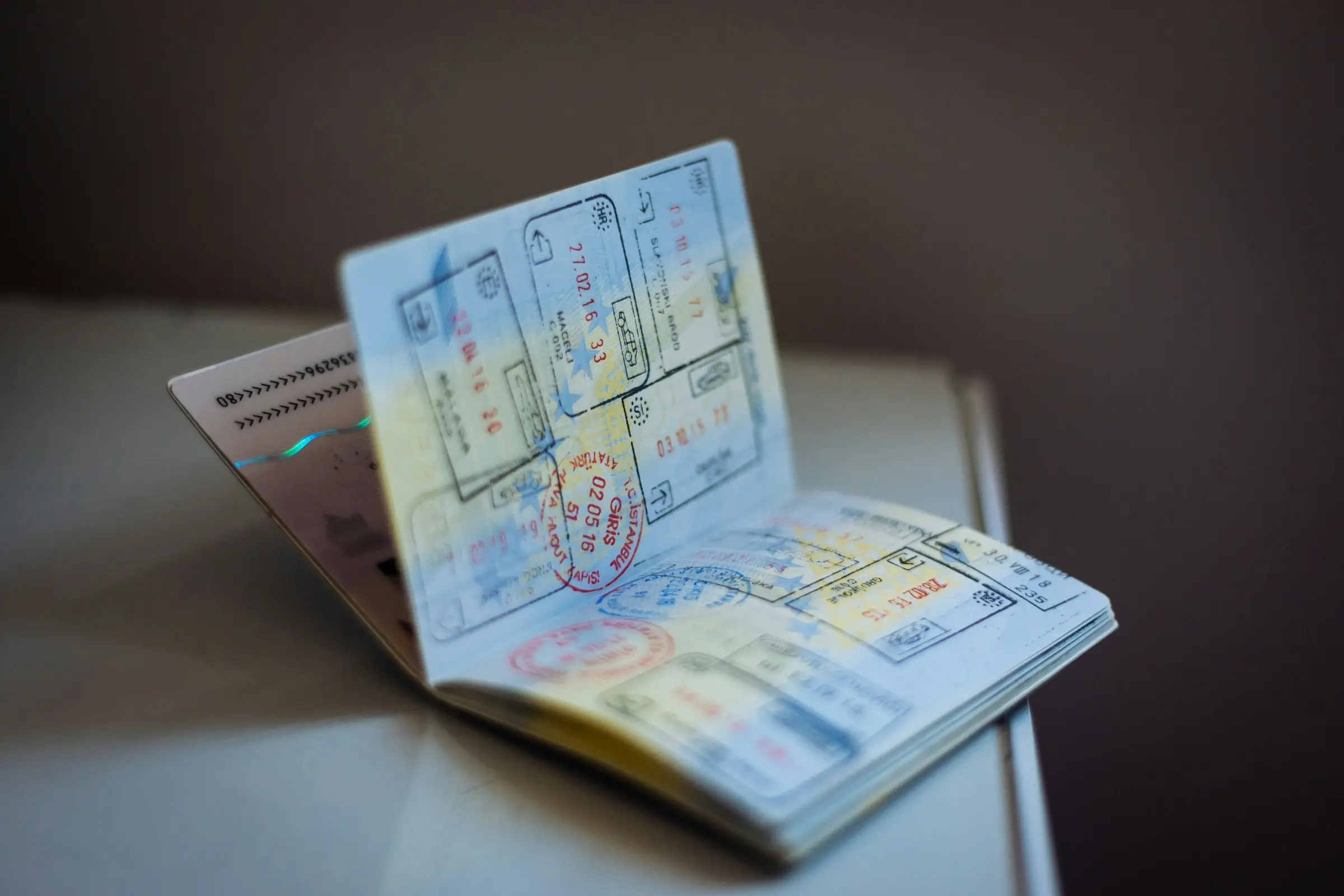
1. Passport stamp or entry. You count a country if you officially entered it, meaning you passed border control. It is simple and checkable, but it falls apart in places with no border checks between countries, and many entries no longer produce a stamp.
2. Left the airport or station. You count it if you stepped out into the place, even briefly. Airside transfers do not count. This is the most common rule among casual travellers, and it is easy to remember.
3. A meal and a walk. You count it if you spent real time there doing something, at least a meal and a look around. It filters out the hurried transfer by taxi from one terminal to another.
4. A night. You count it if you slept there. This is the strictest everyday rule, and it excludes day trips and short cruise stops.
Pick the one that matches why you keep the list. If it is a record of places you have really experienced, rule 3 or 4 fits. If it is a fun tally, rule 2 is fine.
The cases that cause arguments
- The layover inside the airport. Under rules 2 to 4 it does not count. Under rule 1 it does not count either, unless you went through border control. One exception worth noting: some airports require you to clear immigration even for a connection, in which case rule 1 would count it. The rules for this are set by each country, so check the official government site if you need to know for travel reasons.
- The layover with a city trip. A long layover where you left, ate and walked around counts under rules 2 and 3, but not 4. Our post on long layover tips covers how to use the time.
- A cruise stop. A few hours ashore counts under rule 2, may count under rule 3, and does not count under rule 4. Many cruise travellers keep these in a separate column.
- A day trip across a border. Same as a cruise stop. Under rule 1 it counts if you were checked in.
- Driving through. A country you only crossed on a motorway, without stopping, counts under rule 1 if you were checked at the border, and under almost no other rule.
- A train passing through. If you did not get off, most people do not count it.
Territories and islands
A related question is whether a territory counts separately from the country it belongs to. A small island with its own flag may feel like a different place, and legally it may belong to a larger state. This is the same problem as in how many countries are there: the answer depends on the list you use. A sensible approach is to count the country in your main total and keep a second list for territories and islands.
Choose a rule you can defend
Whatever you pick, three things help it last:
- Write it at the top of your list. In one line. You will forget it otherwise.
- Apply it backwards. Your old trips follow the same rule as new ones, even if it costs you a country.
- Allow a "not counted" column. Keep the stopovers and transfers as a note. It is a nice record without inflating the total.
If you share your map with others, the rule is worth mentioning. A friend who knows you count only overnight stays will read your number differently from one who assumes airport transfers count.
Layovers and the longer picture
Layovers are a good example of how a count can mislead. A traveller with fifty countries, twenty of which were airport connections, has had a different life from one with thirty countries and a week in each. That is why many people track cities and days away as well as countries. How to track countries visited covers how to keep all three.
Recording the grey areas in Travel Life
Travel Life's travel map on your profile is built from your trips' destinations and the places you add by hand, with counts of countries, cities and days away. You choose which places to add by hand, so a city you stayed in can go on it and one you only changed planes in need not.
A short test you can run
When a trip is on the borderline, ask yourself four quick questions:
- Did I leave the airport, station or port?
- Did I do something I would describe to a friend, such as a meal, a walk or a sight?
- Would I recognise the place if I saw a photo of it?
- Would I be comfortable saying "I have been to" that country at dinner, without adding a footnote?
Three yes answers is a visit under most people's rules. If you answer yes to only the first, put it in the "not counted" column and move on. The point of the test is to make the decision quickly and consistently, not to build a legal argument.
Remember that none of this has any bearing on border rules. Whether you needed a visa or a transit permit for a layover is a separate question, set by the country you were passing through, and the place to check it is that government's official site before you travel.
Next: put your rule to use
With a rule chosen, go back through your trips. The countries visited checklist gives you a structure to tick off, and make a map of everywhere you have been turns the result into something you can look at.