How to share your location while travelling, and who should see it
To share your location while travelling, you can use the live sharing built into your phone's maps or find-my feature, send a one-off pin in a message, or give family and friends a private page that shows the city you are in. Which one is right depends on who is asking and what they need to know. This guide goes through the options and the settings worth checking before you leave.
Decide what the other person needs
"Where are you" can mean three different things:
- Where are you right now? The friend meeting you at a station. A live dot for an hour is exactly right.
- Which city are you in today? The parent who wants a rough idea. A line a day does it, and a live dot is more than they need.
- Are you OK? That is a different question from location, and a message answers it better than a map.
Matching the tool to the question avoids both extremes: nobody watching your every move for two weeks, and nobody left guessing.
Option 1: live location in your phone's maps or find-my feature
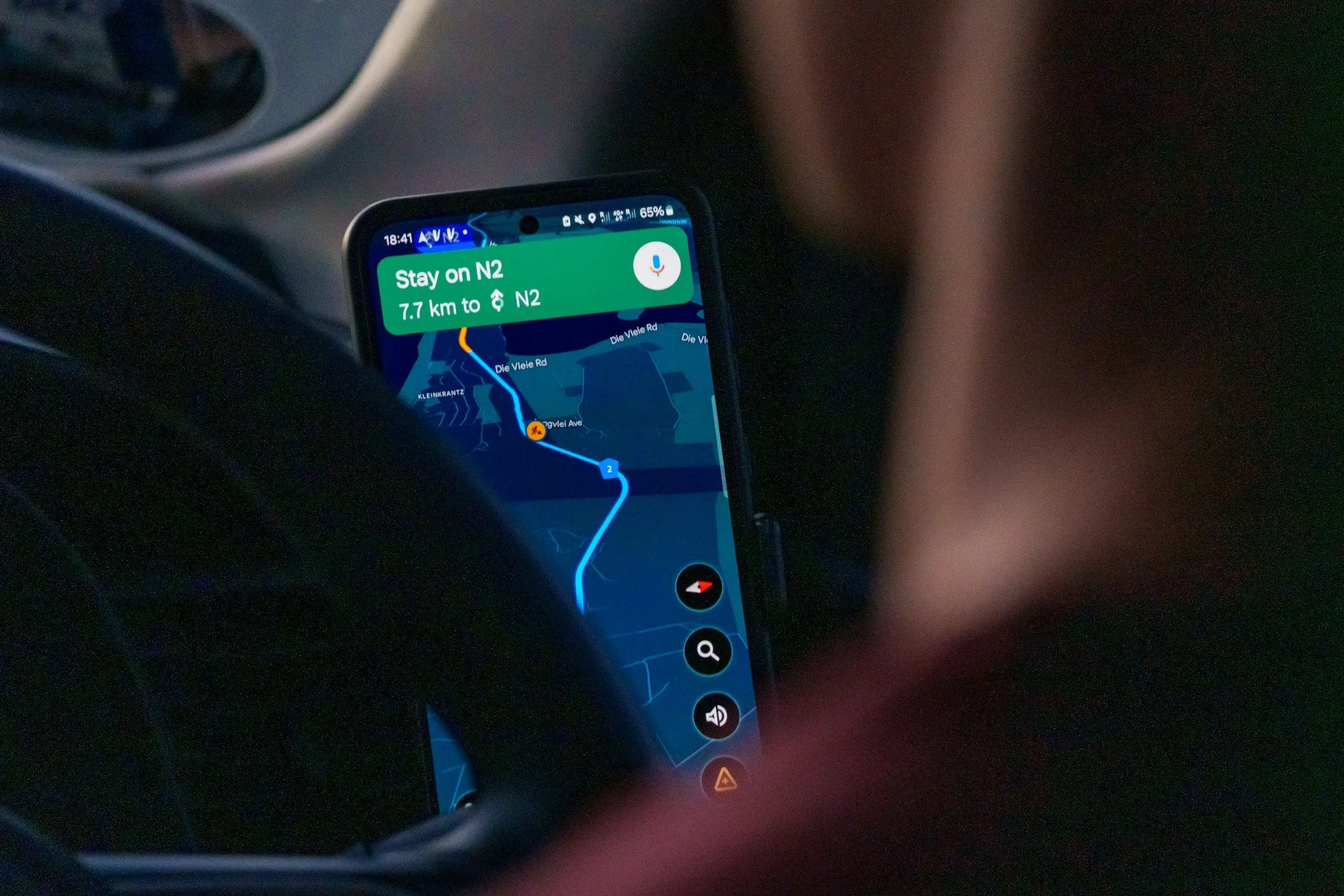
Both main phone systems let you share your live position with a chosen contact, usually for a set time, such as an hour, or until you turn it off. It is the best option for meeting up.
Tips for using it while travelling:
- Choose a time limit. An hour or a day is plenty for a meeting. Sharing with no end date is easy to forget about.
- Check who is on the list. Open the sharing screen now and then to see who can see you.
- Share with people, not groups you do not know well. A large group chat is not the place for a live dot.
- Expect it to need data or signal. Abroad, without a local SIM or an eSIM, live sharing stops working when you lose connection. eSIMs and staying connected covers the options.
Option 2: a one-off pin
Dropping a pin in a message shows where you are at that moment and does not update. For "I am at the blue door on the left side of the square" it is often better than live sharing, because it says nothing after the moment passes. Use it when you meet a driver, a guide or a friend and do not want to keep sharing afterwards.
Option 3: a private page for family and friends
If the real need is that people at home feel in touch, a page they can open is calmer than a dot. In Travel Life, each traveller can send family and friends a private link to a web page, no account needed. It shows the city you are in, the route, your check-ins and the journal moments you mark. It does not show the plan, your bookings or any money. You can pause it until the next morning, make a new link, or stop it, and the page ends 30 days after the trip. We make Travel Life, so weigh that, but the idea works with any tool: share a place, not a minute-by-minute track.
Travel Life does not follow your location in the background; the page shows what you share. For the full picture, see how to share your trip with family and friends and, for a solo traveller, keeping family and friends updated when travelling solo.
Settings to check before you go
Do this at home, when you can think clearly:
- Review who already has your location. Old shares to former colleagues, ex-partners and acquaintances are common. Remove anyone who does not need it.
- Turn off sharing by default. Share on purpose, each time.
- Check the photo location setting. Photos can carry the place they were taken. If you post pictures while you are still there, you may be sharing your location without meaning to.
- Think about your home. Posting a live location while your home is empty tells strangers it is empty. Share with people, not with the public.
- Switch off when you arrive back. Share for the trip, then stop.
Sharing with someone you are travelling with
On a group trip, the simplest way to avoid losing each other is a plan, not a tracker: a meeting point and a time, agreed in advance, and a message in the group chat when you split up. Live sharing is a good extra for a crowded market or a festival, switched on for the afternoon. In Travel Life, every shared trip has a group chat, and the shared day-by-day itinerary is in the same app.
A note on safety
Sharing your location with someone does not make you safe, and a person who sees a dot cannot help if there is no signal or nobody is watching. For real safety, tell someone your plan, keep emergency numbers saved, and read travel safety tips. Treat location sharing as a convenience for meeting people, not as protection.
Sharing with children and teenagers
Parents often want a live dot for a young traveller. Agree it openly: say why, say for how long, and let the older child see the same setting on their own phone. A teenager who knows exactly when they are visible is more likely to leave it on than one who finds out later. On a family trip, a meeting point and a time still beat a dot in a crowd. Plan a trip with kids has more on keeping a family together.
When sharing stops working
Live sharing depends on a phone that is charged, switched on and connected. Batteries run flat on long days, roaming is switched off to save money, and some places have no signal at all. Do not make a plan that only works if the dot is live. Agree a fallback: the last place you will be, the time you will message by, and who to call if you do not.
What to do next
Open your phone's sharing screen, remove anyone who should not be there, and decide which of the three options fits each person who will ask. Then tell them before you leave, so they know where to look.