How much does a trip cost? Work it out in five parts
How much a trip costs depends on five things: how you get there, where you sleep, what you eat, how you get around and what you do. Add each one for your own dates and your own group, plus a cushion for what you did not predict, and you have a number you can trust far more than any average.
A single figure for "a trip to X" hides most of what decides the price. Here is how to build your own.
Why averages mislead
Search for what a trip costs and you will see wide ranges. That is not sloppiness. The same destination can cost a fraction or several times more, depending on the season, how long you stay, whether you share a room, how much you eat out and whether you travel on a rail pass or in taxis.
Use an average to see whether a place is in your range at all. Use your own list to decide.
The five parts
1. Getting there and back
Usually the biggest single cost on a trip, and the one you can see earliest. It is also the one that varies most with dates. A few things move it:
- Travelling in the shoulder season, outside school holidays and public holidays.
- Flying on a quieter day of the week.
- Choosing a different airport or a different city to arrive in.
Find cheaper flights covers how to search. Do not forget the cost of getting to and from the airport on both ends.
2. Where you sleep
Multiply the nightly cost by the number of nights, then check what is extra: cleaning fees, deposits, parking and local taxes that are charged per night. Rules and amounts differ by place, so look at the booking's own page or the local authority's official site rather than assuming.
Sharing helps a lot. A room for two usually costs far less per person than two single rooms, and a house or apartment shared by a group often costs less again. Hotel or apartment helps with that choice.
3. Food and drink
Estimate a daily figure per person. Be honest about how you eat. A trip where you cook some meals, buy breakfast from a shop and have one meal out a day costs very differently from three restaurant meals a day.
Think in three levels: a low figure (cooking and cheap meals), a middle one and a high one. Plan with the middle and keep the high in mind.
4. Getting around
Local transport, day trains, a rental car with fuel and parking, taxis from the station. If you are moving between cities, price those journeys, which can be large. If you are staying in one city, a day pass or walking might make this small. Public transport in a new city and renting a car abroad cover the two common choices.
5. Things to do
Entry tickets, tours, one big excursion. Look at the official site of each attraction for what applies to your dates, since opening times and rules change. Decide which one or two are the reason for the trip and budget for those, and leave the rest to a small daily allowance.
The costs people forget
These are the ones that make a trip cost more than the plan:
- Travel insurance. Travel insurance explained shows what it covers.
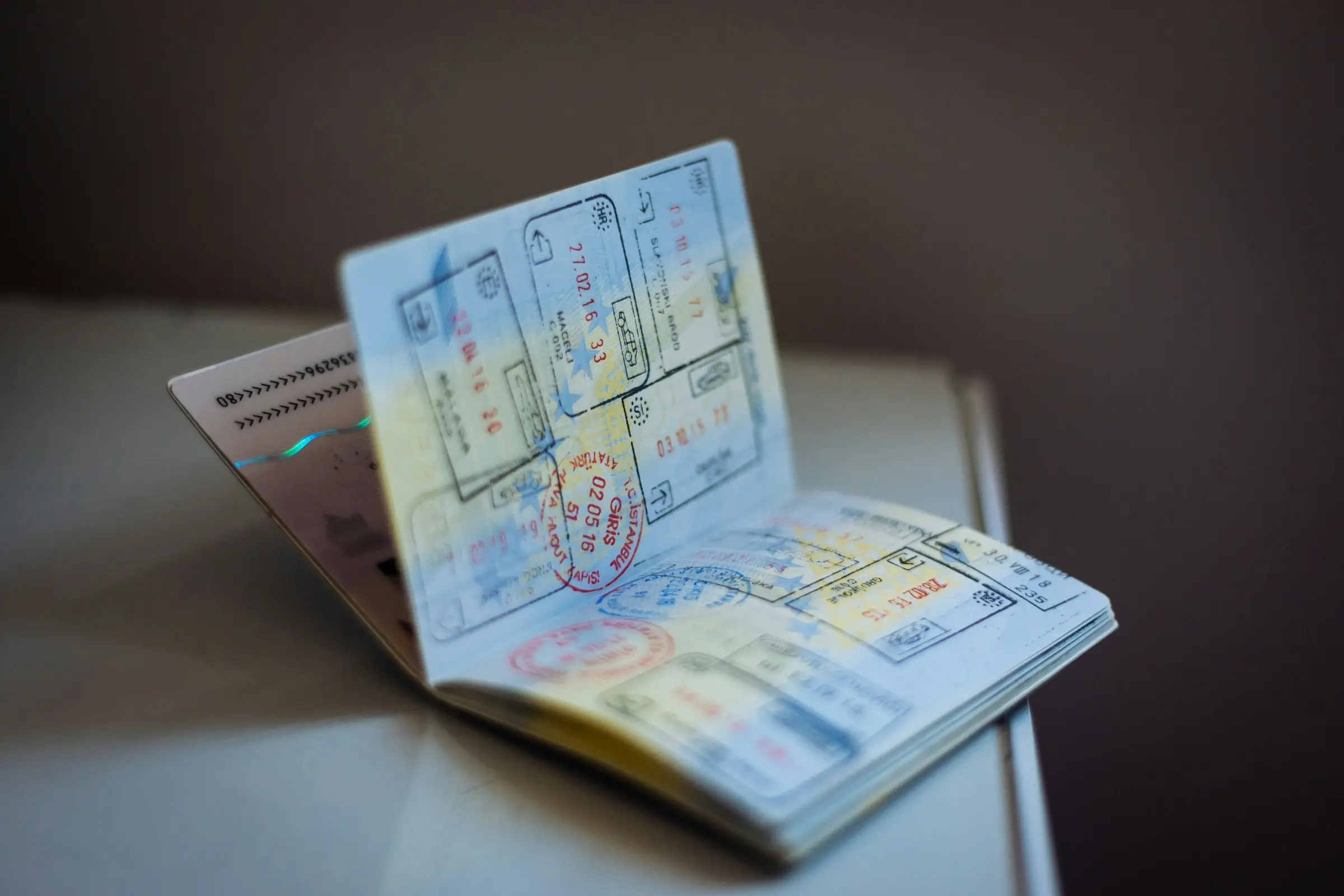
- Visas or travel authorisations, where they apply. The kind and the cost depend on your passport and the country, so check the official government site of the country and your own government's travel advice.
- Phone data or an eSIM.
- Bags checked on a flight, seat selection, airport transfers.
- Cash machine and card fees. Avoid fees when spending abroad has ways to reduce them.
- Tips, which are customary in some countries and not in others.
- The cost of home while you are away: a pet sitter, a missed shift.
Hidden costs of travel lists more.
Put it together
Write it as a simple list with each person's total:
- Getting there and back
- Nights of stay
- Food per day times days
- Local transport
- Activities
- Insurance and paperwork
- Cushion: add ten to fifteen percent
For a group, split the total into what is shared and what is personal. Shared items, such as the stay, are divided between people. Personal ones, such as flights from different cities, are each person's own.
Check it against reality
When you have a total, ask three questions:
- Is it a number I would be comfortable spending? If not, change one part: the length, the season, the stay.
- Where is most of the money? Usually flights and stay. That is where changing something makes the most difference.
- Is the cushion honest? A trip with no cushion is a trip with an argument waiting.
Use the last trip as your guide
The most accurate guide to what your next trip will cost is what your last one did. If you tracked it, look at the categories: where was the money, and what surprised you? Track travel expenses shows how to keep that record without it becoming a chore.
Ways to bring the number down
Once you can see the five parts, you can see which lever matters. If flights are the biggest line, move the dates or the airport. If the stay is, share a room or choose a place with a kitchen. If food is, cook breakfast and one other meal. Changing the biggest line is worth ten changes to the small ones, so start there.
Re-run the list after each change. Seeing the total move by a meaningful amount is the sign that you changed the right thing.
Your next step
Open a note and write the five headings, then fill in the one you can price today, usually the flights. Once you have that, add the others one at a time. When you want the full structure, make a travel budget goes step by step.