How much does a trip to Japan cost? How to work out your budget
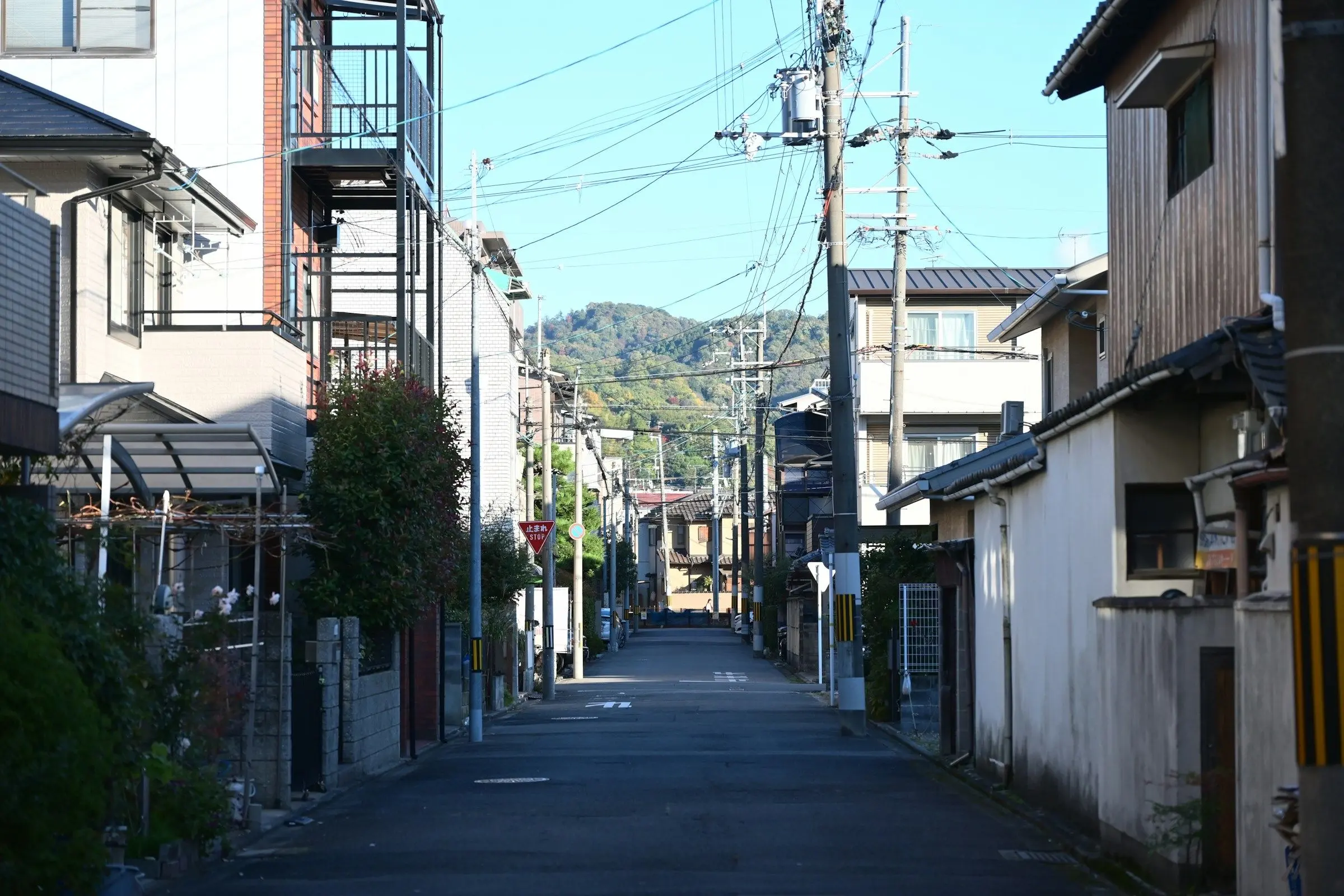
How much a trip to Japan costs depends on your flights, how long you stay, how much you move between cities and whether you eat at small local places or at restaurants. Most of the cost is the flight and the nights of stay; on the ground, food and local transport can be modest if you eat where locals do.
There is no honest single answer, so here is how to build your own, with what is specific to Japan.
What decides the total
Five things:
- The flight. It depends on where you start, when you go and how flexible you are.
- How many nights, and where. Tokyo and Kyoto are busiest, and costs rise at peak times. Smaller cities are often quieter.
- How much you move. Bullet train journeys between cities are a real cost; staying in a region is much cheaper.
- How you eat. Japan has excellent food at every price. A convenience-store breakfast, a set-meal lunch and one dinner out is a very different budget from three sit-down dinners.
- What you do. Temples and gardens often have a small entry fee, while some experiences cost much more.
The Japan travel guide covers the seasons and the places, and its budget line gives a daily range for the way people usually travel.
When you go changes the price
Japan has several busy periods: the cherry blossom weeks in spring, the autumn colour season, and the national holiday weeks when many Japanese people travel too. Stays and trains fill up, and prices rise. Travelling just outside these dates can make a large difference.
Dates for these seasons vary from year to year, so check them on the official tourism site of Japan closer to your trip. Shoulder season travel explains the idea.
Getting around
Japan's trains are famous for good reason, and they are a significant cost if you cross the country.
- City transport. In big cities, a rechargeable transit card covers trains, subways and many buses, and you add money as you go. Check the details for your city on the operators' own sites.
- Long-distance trains. The bullet train is fast and expensive. Price your route on the operator's site, and see whether a rail pass would actually save money for your particular route, since for many trips it does not.
- Overnight buses and flights between some cities can be cheaper.
- Walking. In compact areas, most of your sightseeing costs nothing.
Fewer bases save time and money. Three or four places in two weeks is more comfortable than six.
Where you stay
The range is wide: hostels and capsule-style places, business hotels, apartments, traditional inns and large hotels. A few points:
- Business hotels often have small, practical rooms at fair prices, and are a good choice if you spend your days out.
- Apartments help a group or a family, and a kitchen cuts food costs.
- Traditional inns often include dinner and breakfast and cost more; one night can be a highlight without making the whole trip expensive.
- Local lodging taxes may apply and depend on the area. Check the booking page.
Hotel or apartment helps you choose.
Food
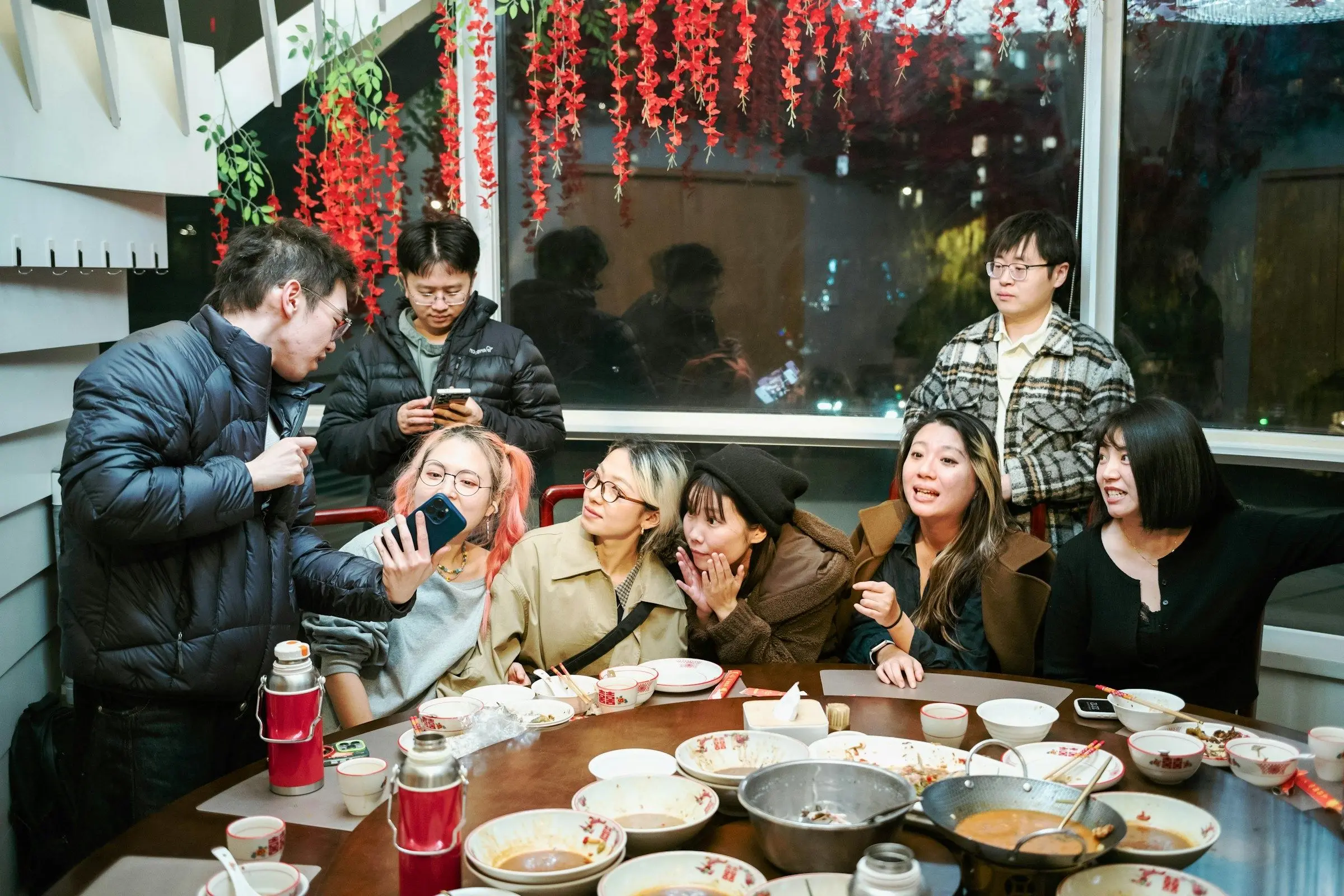
Japan is one of the best places to eat inexpensively without feeling that you are cutting corners. Set lunches, noodle shops, counter restaurants, bakeries and supermarket food are all good. A restaurant meal with a full spread is a different price, so decide how often you want one.
Tipping is not customary in Japan, and that helps the budget. Tipping around the world covers other places.
Cash and cards
Cards are accepted in many places in cities, but cash is still common, especially in small restaurants, shrines and rural areas. Carry some local currency, and take more if you will leave the big cities. How much cash to take abroad explains how to work out your amount, and how to pay abroad covers cards and fees. Check your card provider's terms before you go.
The costs people forget
- Travel insurance. Compare what each policy covers, including medical care, before you book.
- Entry rules. Visa-free visits and other requirements depend on your passport and change. Check the official government site of Japan and your own government's travel advice.
- Phone data. An eSIM or a local SIM or pocket Wi-Fi. eSIMs and staying connected helps.
- Luggage forwarding or storage. Common in Japan, and a cost if you use it.
- Souvenirs and shopping. Easy to underestimate.
Build your estimate
List each part and fill in what you know:
- Flights, return
- Nights of stay, by city
- Trains and local transport
- Food, per day times days
- Entry tickets and experiences
- Insurance, data and paperwork
- Cushion, ten to fifteen percent
Make a lean, a middle and a comfortable version. Often the largest swing is between one base and many.
Planning with others
A group saves on rooms and rides, and gains an extra reason to plan carefully: trains and restaurants have to fit several people. Agree a shared budget early. Group trip budget shows how.
Ways to bring the number down
Change one lever at a time. Fewer bases means fewer long train journeys, which is often the single biggest saving once you are there. Travelling outside the busiest weeks lowers the price of stays and keeps trains and sights calmer. A business hotel or an apartment with a kitchen costs less than most alternatives, and Japan's everyday food, from set lunches to bakeries and supermarket meals, is good value and easy to enjoy.
The trap is cutting what makes the trip. If the reason you are going is one special night in a traditional inn, or one great meal, keep it, and save elsewhere.
Your next step
Choose your month and your two or three bases, then price the flight and a week of stays. Those two lines tell you whether the trip fits. When you are ready to shape the days, Kyoto itinerary and Tokyo itinerary give a first-visit plan for each.