Apps to download before international travel: a short list
The apps to download before international travel are the ones that still work when your signal does not: an offline map, a translator with languages downloaded, a messaging app, a way to get data, a way to pay, and the apps for your airline and your stay. Download and test them at home on Wi-Fi, because you will not want to do it in a queue at arrivals.
What we say about each app comes from its own website, help pages or store listing, as of November 2026. We have named well-known ones by the job they do, and left out anything we could not confirm. Availability changes by country, so for payments and anything that needs an account, check before you go. We make Travel Life, which appears once, for planning the trip.
The ten-minute test
Download first, then test. Put your phone in airplane mode and open each app. If it asks for a connection, you have found a problem at home rather than abroad. Sign in to every account while you still have your home number for any text message code, and write down the recovery options.
Maps that work offline
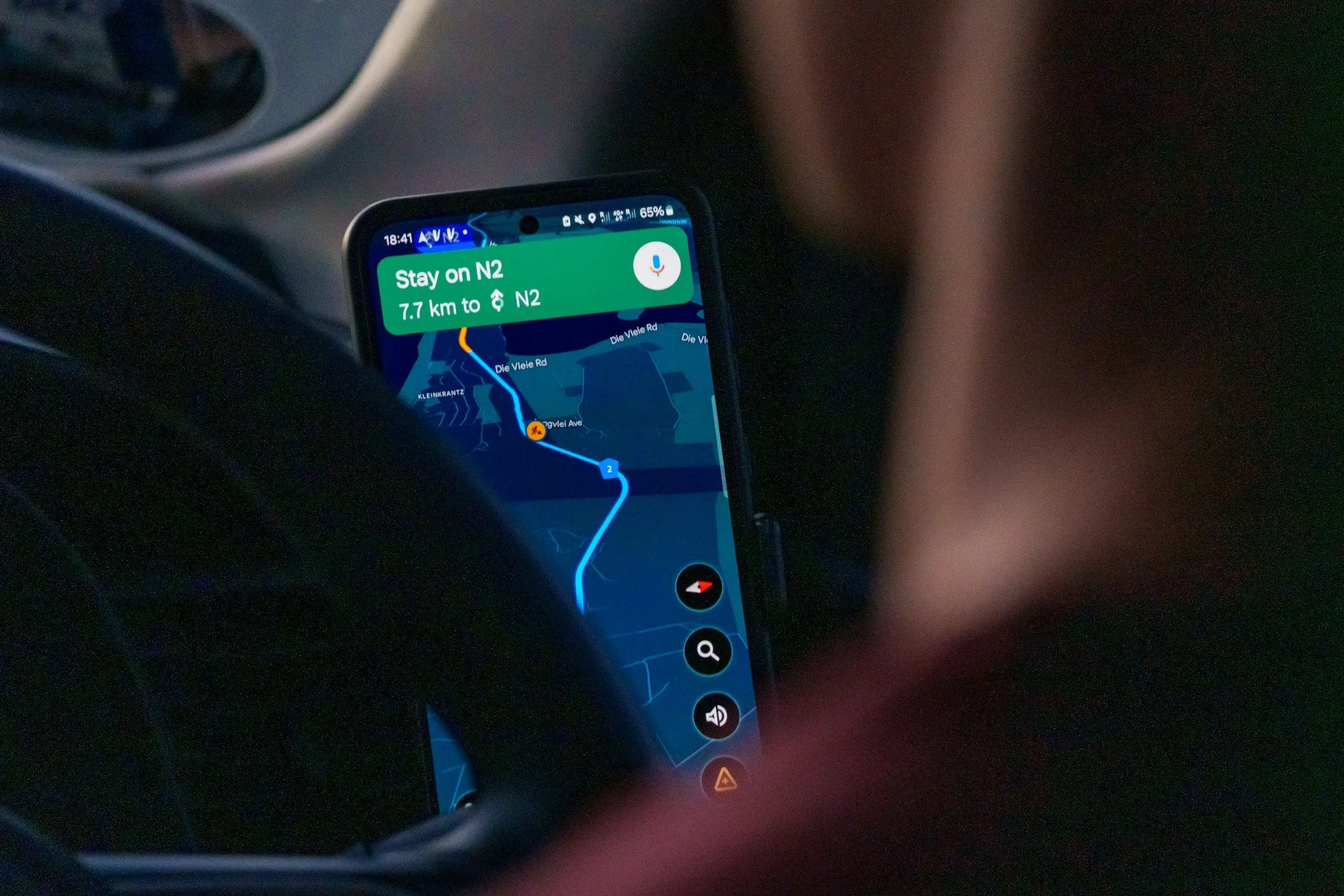
Google Maps lets you download an area to use without a connection. Its help page warns that offline maps cannot be downloaded in some countries and regions, and that transit, cycling and walking directions and live traffic do not work offline. Download the cities you will visit, not just the airport.
Organic Maps is a free offline map app built on OpenStreetMap, with no ads, its site says, plus offline search on the maps you download, turn-by-turn directions for walking, cycling and driving, and bookmarks you can import, export and share. It makes a good second map beside Google's. Our list of the best offline map apps compares more.
Translation
Google Translate can download languages to use offline, and its support pages say that once a language is downloaded you may be able to translate text by pointing your camera at it, which helps with signs and menus. You download each language separately. Download the language over Wi-Fi and test the camera in airplane mode before relying on it.
Messaging and calls
WhatsApp is how a large part of the world talks, and its own pages describe voice and video calling on iPhone, Android and other devices. Calls use your phone's internet connection, not your plan's minutes, and WhatsApp notes that data charges may apply, so on mobile data abroad they can add to your bill. Save your contacts' numbers in international format. In some countries people use other apps, so ask the people you will meet which one they prefer.
Staying connected
An eSIM lets you buy a data plan before you fly and switch it on when you land. Airalo is one well-known seller: its help pages describe installing an eSIM directly, by QR code or manually, on a phone that supports eSIM. They advise installing on a stable Wi-Fi connection and say most packages only start counting once they connect to a supported network at your destination, though some plans differ, so read yours. Your home SIM can stay in the phone with its data roaming off. Compare your carrier's roaming offer and other eSIMs; our guide to eSIMs and staying connected explains the choices.
Paying
Card acceptance, cash use and which payment apps work vary a lot by country, so check before you go. A card with low foreign fees, plus a small amount of local cash, covers most trips. Wise is one example of a multi-currency card: its pages say the card works with a Wise account, spends in many currencies and countries, and comes without exchange-rate markups. Fees and availability vary by country, and the card is not available everywhere, so read its page for yours. Our guide to how to pay abroad goes through the options.
Getting around
Download the main taxi, ride-hailing and public transport apps for each city you will visit. The right ones differ by country, and some ride-hailing apps are not available everywhere, so check before you go which services run where you are headed. Our public transport in a new city guide shows how to work it out in a new place.
Your airline, stay and documents
- The airline's app, for your boarding pass, which you should save where you can open it offline.
- The booking or accommodation app, for addresses and check-in details.
- A place for documents: a photo of your passport and your insurance details, stored somewhere safe. See the travel documents checklist.
- Your bank's app, with notifications on, so you can freeze a lost card quickly.
The plan itself
Most people keep their trip across a notes app, three email threads and a group chat. The apps above each do one job; the plan needs one home.
Before you leave the house
A few small steps make the apps more useful.
- Update everything now, so nothing tries to download a large update on roaming data.
- Free up storage. Offline maps and translation languages take space.
- Set up a passcode and a way to find your phone. A lost phone abroad is far less painful if you can lock it.
- Carry a power bank and the right plug adapter. Offline apps cannot help a flat battery.
- Know your roaming settings. Turn off data roaming unless you are using your home plan on purpose.
What to leave off the list
You do not need thirty apps. Every extra one is another login and another update. If an app does a job one of the above already does, skip it.
Next step
Work through your phone in order: maps, translation, messaging, data, payments, then the airline. Then follow our first trip abroad checklist for everything that is not an app.