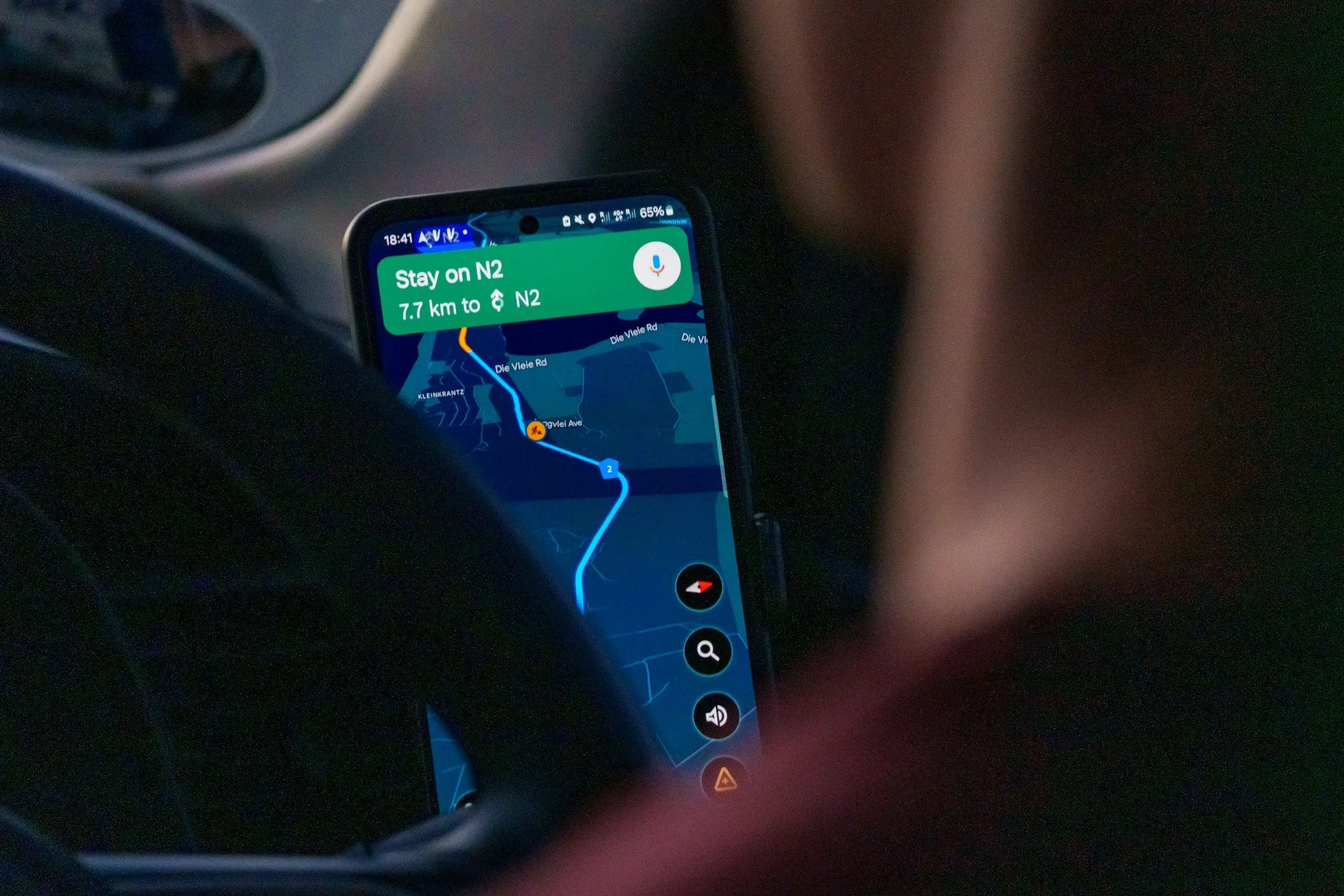
How to plan an EV road trip: charging stops, range and the route

To plan an EV road trip, work out your car's real range for the conditions, then build the route around charging stops with a backup for each one. Choose stays with charging, keep driving days a little shorter than for a petrol car, and treat the charge stop as a break, not a delay.
Electric cars make good road trip cars once you stop thinking in fuel stations and start thinking in rhythm: drive, stop, charge while you eat, repeat. The planning is mostly about not being surprised by range.
Know your real range
The number on the brochure is a best case. Real range changes with:
- Speed. Faster driving uses more energy, and motorway speeds cost more than town speeds.
- Temperature. Cold weather reduces range, and heating or cooling uses power.
- Terrain. Climbing uses energy, and descending gives some back.
- Load. Passengers, luggage and roof boxes all add up.
- Wind and rain. Headwinds and wet roads cost range too.
A good habit is to plan around a usable range that is well below the brochure figure, and to arrive at each charger with a comfortable reserve. Your car's trip computer will learn your driving over the first days. After that, use its estimate, and keep a margin.
Plan charging stops with a backup
Use your car's own route planner, or an app that knows your model and the networks near the route, to find chargers. Then do the checks the app cannot do for you:
- Charger type and speed. Make sure your car can use it and that it is fast enough for a short stop.
- Network and payment. Different networks need different cards or apps. Set them up before you leave, not at the charger.
- Number of chargers. One charger at a remote site means a queue or a failure leaves you stuck. Prefer sites with several.
- Backup. For each planned stop, note another charger within range.
- What is nearby. A charger near a cafe, a park or a viewpoint turns the stop into part of the trip.
Network coverage, charger availability and payment rules change, so check the operators' own apps or websites close to your dates and again on the road.
Shape the day around the stops
A comfortable pattern is to charge when the battery is low enough that the stop is worth it, and not to charge to a full battery every time, since the car usually charges fastest at lower levels. Stopping for twenty to forty minutes every couple of hours also fits with the breaks you need anyway.
Put the longer charges at lunch and overnight. Plan a day with a few stops, not many short ones. Keep the day's distance a little under what you would do in a petrol car, and you can enjoy the stops.
Plan a road trip has more on choosing a sensible driving day, and the same advice on leaving room for detours applies.
Choose stays with charging, or near it
Overnight charging makes the trip simpler, because you start every day full. When you book, check the listing for a charger, then confirm it with the host: the type of plug, whether it is free to use, who pays and whether it is available when you arrive. If the stay has no charger, find a public one within a short walk or drive, and plan to charge on arrival or on the way.
Prepare for the trip
- Cables and adapters. Carry the cables your car needs, and check which connector types are common where you are going. If you are going abroad, check the plug standards on the official sites.
- Apps and cards. Install and set up the charging apps you need, with payment added, before you leave.
- Tyres and service. Check them like on any long trip.
- Offline maps. Download them for the route, and save charger locations. Travel offline covers the habit.
- Rules abroad. Licence and insurance rules differ by country, so read driving abroad and, if you rent an electric car, renting a car abroad.
Renting an electric car
If you rent, ask what comes with the car: cables, a charging card or app, and the rules on returning it with a certain charge. Ask how the car handles longer trips, and look at the range figure in the rental listing alongside the real conditions above.
Handle cold, heat and the unexpected
In cold weather, pre-heat the car while it is plugged in, plan shorter legs and expect longer charge stops. In heat, avoid hard driving that heats the battery and use the climate control sensibly. If a charger is down, go to the backup you already noted. If you are running low, slow down, reduce the climate use and head for the nearest working charger.
Split the costs
An EV trip has different costs than a petrol one: charging sessions on several networks, parking at chargers and the rental. When more than one person pays for charging, it is easy to lose track. A shared plan helps:
Pack for charging breaks
The pauses are part of the day, so pack for them: a book, a picnic, a blanket, a charger for your phone and something to do for twenty minutes. A road trip packing list covers the rest.
What to do next
Look up your car's real range at the speed you will drive, draw the route, and mark charging stops with a backup for each. Then book stays that charge, set up the charging apps and cards, and download the maps. For the wider checklist, plan a trip step by step is the next read.