How to plan a trip to Banff: seasons, lakes and the Icefields Parkway
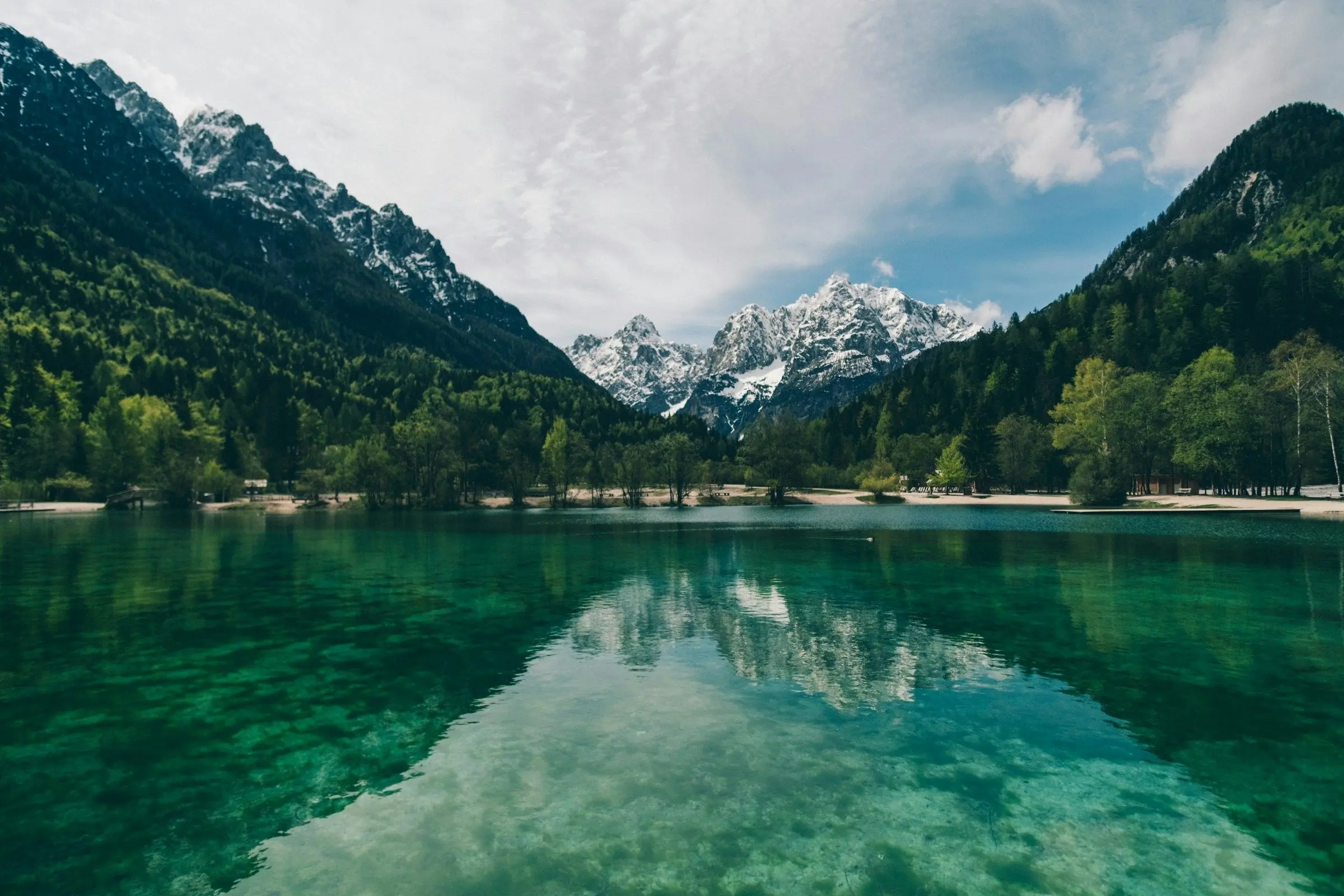
To plan a trip to Banff, pick a season, book your stay early, and plan around three or four big days rather than a long list. Banff National Park, in the Canadian Rockies, has turquoise lakes, mountain trails and one of the great scenic drives. Four to five days is a good first visit.
Choose a season
Banff works in every season, but each is a different trip.
- Summer. The most popular time, with long days, open trails and the lakes at their best. It is also the busiest, so book early, and start days early.
- Autumn. Cooler weather, golden larch trees at higher elevations and fewer visitors in the later weeks.
- Winter. Skiing, skating and snowy scenery, with short days and cold weather. Some roads and facilities close, and conditions can be harsh.
- Spring. A transition. Snow lingers at altitude, some high trails and lakes are not accessible and wildlife is active at lower levels.
If you are planning a ski visit, plan a ski trip and the ski trip packing list cover the basics.
Get a base
Banff has a town in the park, and another town, Canmore, just outside. Lake Louise has its own village, some way to the north. Where you stay decides how much you drive.
- Banff town. The most convenient for restaurants, shops and shuttles, but the busiest.
- Lake Louise. The best for early starts at the famous lakes and for the northern part of the park.
- Canmore. A quieter town with more variety in stays and a more local feel, a short drive from Banff.
Rooms in the park are limited, and the popular seasons fill up months ahead. If you can only get a stay outside the park, be ready to drive early to beat the crowds. How far in advance to book shows how to decide what to lock in first.
Park entry and the busiest places
You need a valid pass to enter the national park, and rules for the busiest spots can include shuttles or timed access. These change, so check the Parks Canada website for the park you are visiting, and plan your day to match. The very popular lakes can fill their car parks early in the morning in peak season, which is why shuttles and early starts matter.
Plan three or four big days
A realistic way to spend a few days:
- A lake day. One or two of the big lakes at the start of the day, a short walk and a quiet afternoon.
- The Icefields Parkway. A long scenic road running north through the Rockies, with glaciers, waterfalls and viewpoints. Allow a full day, with stops, and check road conditions and fuel before you go, since services are far apart.
- A hike. One real walk, chosen for your fitness, with good advice from the park visitor centre.
- Town and hot springs. A slower day with a gondola ride, shopping and a soak in the hot springs.
If you want to go further, Jasper National Park lies at the far end of the parkway, and fits well into a longer trip.
Wildlife
Banff has bears, elk, bighorn sheep and other large animals, and the rules about them matter. Keep a safe distance and never feed anything. When hiking, carry bear spray if the park recommends it, know how to use it, make noise on the trail and walk in a group. Read the park's own advice before you go, and check for trail warnings and closures on the day.
Getting there and around
Most visitors fly into Calgary and drive about an hour and a half to Banff, or take a shuttle. Having a car makes the Parkway and other drives easy, but there are also shuttles, buses and tours for the main sights. If you are renting, read renting a car abroad and carry what the rental company asks for. In the winter, check whether your car is suitable for snowy roads. See also the Canada travel guide.
What to pack
Layers are the rule. Even in summer, mornings and evenings can be cold, and the weather turns quickly in the mountains. Bring a waterproof jacket, a warm layer, sturdy shoes, sun protection, a water bottle and a day pack. The hiking trip packing list and cold weather packing list cover the details.
Keeping the plan together
Banff trips are often built around a few reservations: the stay, a shuttle or a tour.
If you are going with friends or family, share the trip so everyone can see it, and split the costs as you go.
A sample four days
- Day one. Arrive, settle in and take an easy walk by the river in town. Check conditions and any warnings at the visitor centre.
- Day two. An early start at the lakes before the crowds, with a short trail, then a quiet afternoon.
- Day three. A full day on the Icefields Parkway, with a picnic and plenty of fuel and water.
- Day four. A hike you chose with the rangers' advice, ending at the hot springs or in town.
Keep the weather in mind: mountain forecasts change fast, so swap days around if the clouds sit on the peaks. The big views are worth waiting for, and a day of cloud is a good day for the hot springs or a museum.
What to do next
Choose your season and book your stay. Then check the Parks Canada page for the lakes and road conditions that matter for your dates, and sort the days into a lake day, the Parkway, a hike and a slower day.