How to plan a safari: when to go, where to stay, what to book
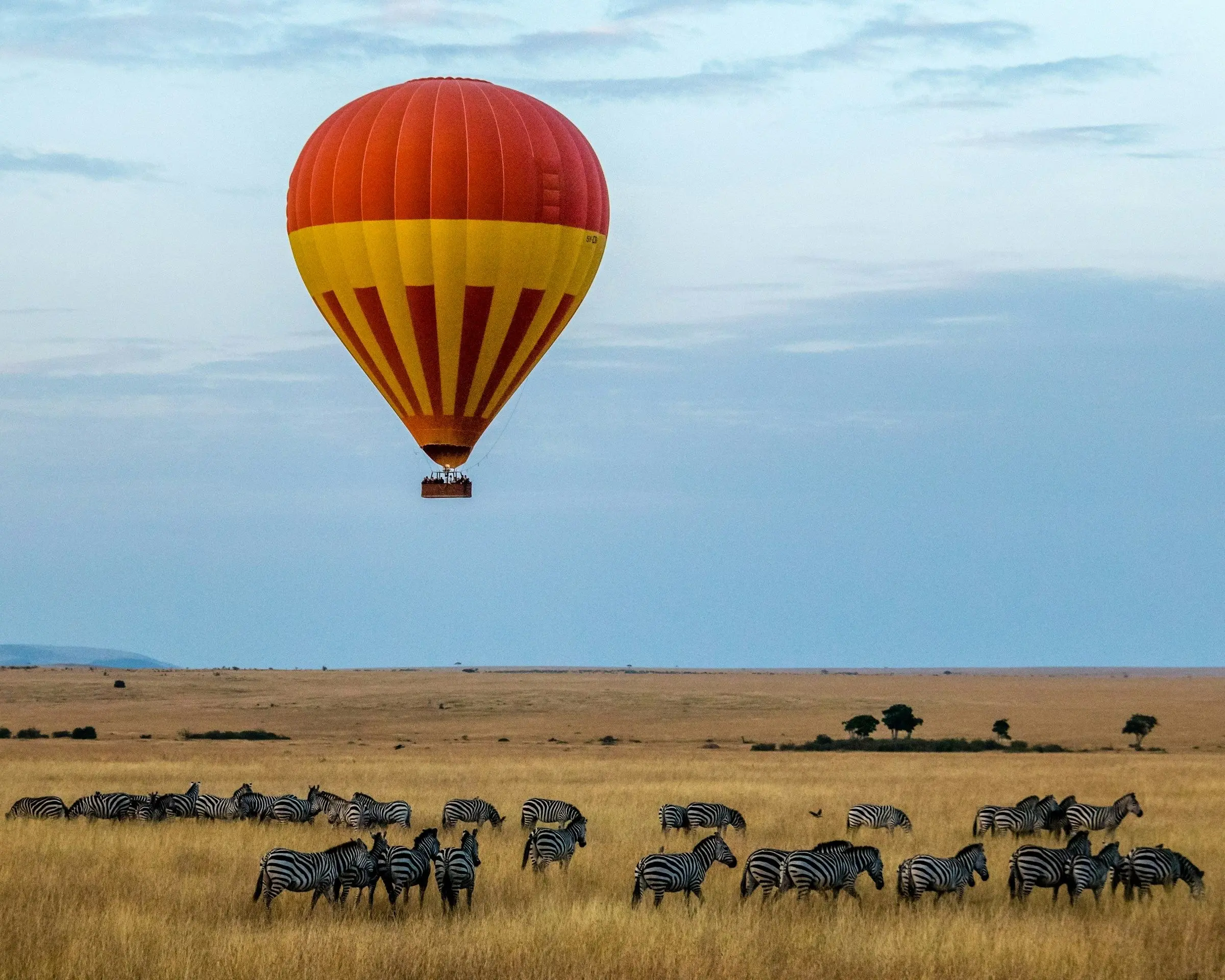
To plan a safari, decide the season first, then the country and park, then how you will travel: with a guide and a vehicle, or self-drive. Book the places to stay early, because the best camps are small and fill up, and leave a day or two of slack so the animals, not the timetable, set the pace.
A safari is not a normal holiday with animals added. The days start before sunrise, the distances are long, the good places to sleep are few, and the biggest decisions are made months before you go.
Start with the season, not the park
Wildlife viewing depends on rain. In many parks the dry season is the easiest time to see animals, because the vegetation is thinner and the animals gather around the water that is left. The wet season has fewer visitors, greener landscapes and, in some places, the birth of young animals, but roads can be harder and the grass taller.
Some of the best-known events are tied to the calendar, for example the great herds that cross between Kenya and Tanzania. Where they are at a given time changes from year to year, so treat any month you read online as a guide and ask the lodges or operators close to your dates. The country guides for Kenya, Tanzania and South Africa cover the seasons of each.
Pick the season, then check what else is happening: school holidays and public holidays fill camps, and so do the peak months.
Choose the country and the kind of park
Think about what you want to see and how you want to see it.
- Large open plains and big herds. The famous parks of East Africa are built for this, with long views and many vehicles.
- Smaller, quieter reserves. Private reserves often allow walking, night drives and off-road driving, with fewer vehicles at a sighting. Rules differ by park and by country, so ask what is allowed.
- Self-drive. Some countries, South Africa among them, have national parks where you can drive yourself on set roads. It costs less in guides but you do the spotting, the navigation and the fuel planning.
- Walking and river safaris. These give a slower, closer experience, and they are led by trained guides.
Pick one country for a first safari. Moving between countries adds flights, border time and cost, and it takes days away from the animals.
Guided or self-drive
A guide is more than a driver. A good one knows where the animals were this morning, reads behaviour you would miss and keeps you at a safe distance. For a first safari, and for anywhere with dangerous animals and few roads, a guided trip is the easier choice.
Self-drive works where the park is set up for it and the roads are public. If you go that way:
- Read the park's own rules on the official park website before you go, including when you must be back at the gate.
- Rent a vehicle that suits the roads, and read renting a car abroad and driving abroad first.
- Carry water, a paper or offline map, and a way to reach someone if the vehicle breaks down.
- Never leave the vehicle except where the park says it is safe.
Book the stays first
On a safari the place you sleep is part of the experience, and the supply is small. Many camps have a handful of rooms. Book them before flights and before anything else, as soon as your dates are firm. How far in advance to book covers the general timing; for safari camps in the peak season, assume it is earlier than you think.
When you compare camps and lodges, check:
- Where it is in relation to the park gates and the areas you want to visit.
- Whether game drives are included, and how many people share a vehicle.
- Whether the vehicle is shared or private, and what a private one costs extra.
- The transfers: how you get from the airport or the airstrip to the camp.
Plan the moving parts
Safaris often involve small aircraft, long road transfers or both, with baggage limits that are tighter than on regular flights. Soft bags are easier to load than hard cases. Check the limits with the operator before you pack.
Think about the order of the trip. Put the long, tiring transfers early or late, not between two days you want to enjoy. Build in a buffer day at the start for flight delays, and keep the last night near the airport you leave from.
Health, insurance and paperwork
Some safari regions have health requirements: vaccines, malaria precautions, or both. Ask a travel clinic well ahead of the trip, since some courses start weeks before you leave. If you take regular medicine, travelling with medication explains how to carry it.
Entry rules and permits change, so check the official government site of each country you will visit and your own government's travel advice. Insurance matters more on a trip like this: look for cover that includes evacuation from remote areas, and read travel insurance explained to know what to check.
Pack for early mornings and dust
You will be in a vehicle in the cool of the morning and the heat of the day. Layers do the work: a warm top for sunrise, light long sleeves for sun and insects, a hat, sunglasses and sun cream. Choose muted, natural colours; ask your camp whether any colours should be avoided, since some areas ask you not to wear certain ones. Bring binoculars, a charger and a spare battery, and dust protection for your camera.
For the full list, see the safari packing list.
Work out the costs, and split them
A safari has a few big costs and many small ones: flights, camps, park fees, vehicles and guides, tips, and the extras that come with a remote place. Park fees and conservation fees are often charged per person per day and change, so get them in writing from the operator or the park's own site rather than trusting an old number. Make a travel budget shows how to build the total.
If you are going with friends or family, agree early who pays for what. A private vehicle shared by four costs less each than the same vehicle shared by two, which is the sort of thing that is easier to sort out before the money is spent.
Leave room to simply watch
The best safari days are the ones with the fewest items on the list. Plan two drives a day at most, rest in the middle of the day when the animals do, and resist the urge to cover every park. One place seen slowly is better than five seen from a window.
What to do next
Pick your season and one country, write down three camps that fit, and check their availability for your dates. Once the stays are held, book the flights and the transfers around them, then ask a travel clinic what you need and when. If you want a simple way to sort the trip step by step, plan a trip step by step is a good place to go next.